
Mastering Your Marketing Toolkit: Are You Using the Right Tools the Right Way?
TL;DR
- Identify your objectives to determine which tools you need.
- Assess your available resources for maximum impact.
- Develop strategies to leverage your tools effectively.
- Improving tool usage leads to better results and a stronger online presence.
- Engage with experts to optimize your toolkit.
What Is This? (Short Answer)
Are you optimizing your marketing tools? Understanding how to use the right tools effectively is essential for achieving your business objectives.
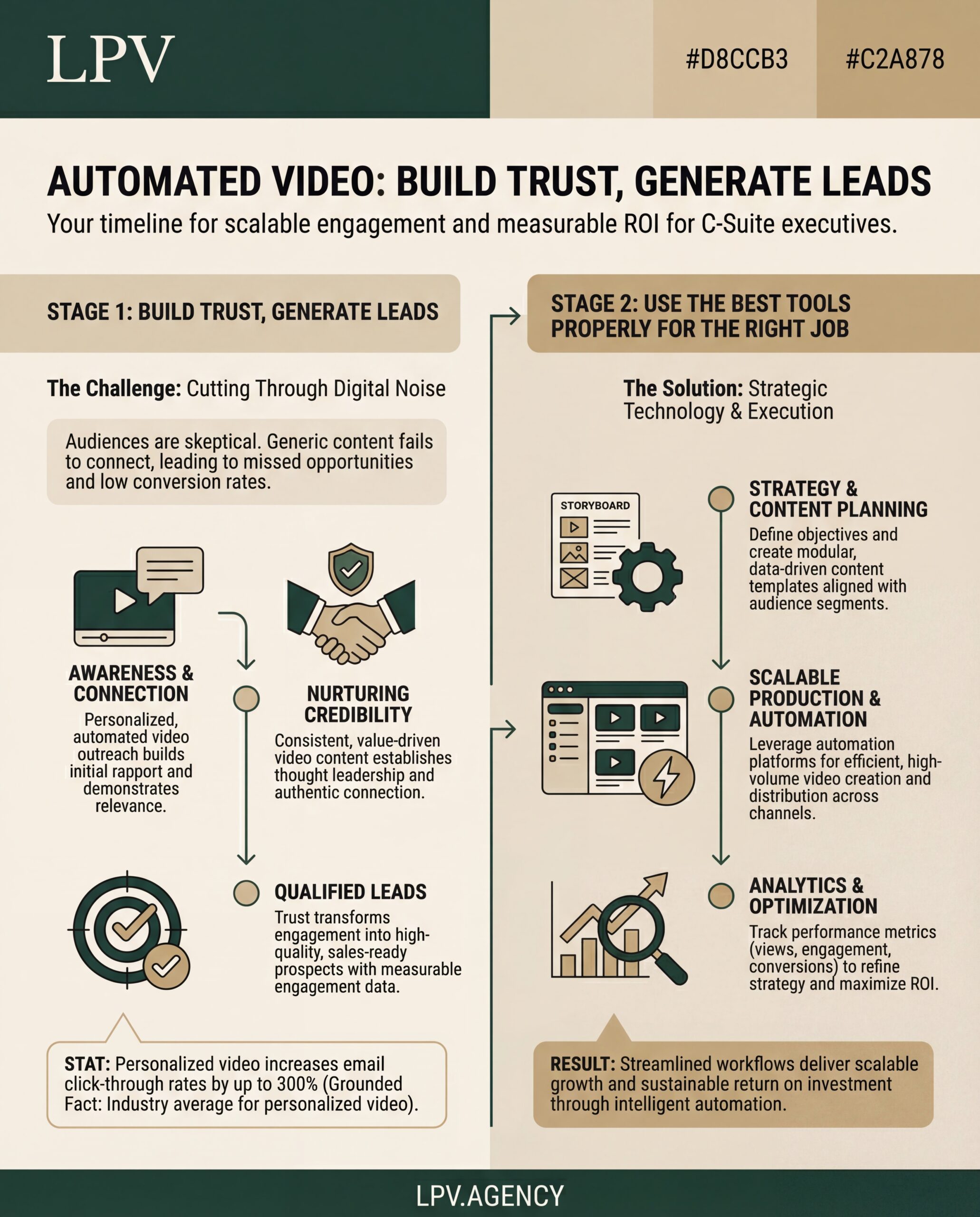
In the world of marketing, using the best tools improperly can hinder your success. At LPV, we believe that knowing how to use those tools is just as crucial as what you choose. Recently, we explored this idea in depth, emphasizing the importance of strategic application for improved efficiency and online presence.
Define Your Objectives
To use tools effectively, start by clearly defining your objectives. What are you trying to achieve? Whether it’s increasing engagement, improving lead generation, or enhancing your brand visibility, knowing your goals can help you select the right tools.
When you have clear objectives:
- You can filter out unnecessary tools.
- You’ll know which features to leverage.
- You can measure your success effectively.
This focused approach ensures that every tool you use aligns with your overarching business goals and contributes to your success.
Assess Your Resources
Next, take stock of the tools you currently have available. Knowing what you have can help you maximize your existing resources.
At LPV, we help businesses assess their marketing toolkit, which often includes:
- Automation tools for social media management.
- Video production software for engaging content.
- Analytics platforms to track performance.
By understanding your resources, you can better strategize their application. Remember, the most sophisticated tools are rendered useless if they don’t fit your specific needs or if you lack the skills to use them.
Strategize: Using Tools Effectively
Once you have defined your objectives and assessed your resources, it’s time to strategize. This involves crafting a plan to use your tools effectively for maximum impact.
Consider these strategic approaches:
- Integrate Tools: Use tools that complement each other for a seamless workflow.
- Educate Your Team: Ensure everyone knows how to use the tools effectively.
- Iterate and Improve: Regularly review your tool usage and adapt your strategies based on performance data.
The outcome of these strategies is improved efficiency, better results, and a stronger online presence.
How Does This Work?
Implementing a structured approach to tool usage can streamline your marketing efforts. By following the steps outlined, you’ll be able to navigate the complex landscape of marketing tools with confidence.
Who Is This For?
This guidance is designed for non-technical viewers and business owners who want to optimize their marketing efforts. Whether you’re a small business or a larger corporation, leveraging tools the right way can unlock new levels of success.
What Does It Cost?
The cost of implementing these strategies varies based on your current resources. Some tools are free, while others may require investment. However, the potential return in terms of efficiency and results often outweighs the initial costs.
What Are the Risks?
Using tools improperly carries risks such as:
- Wasted resources and budget.
- Ineffective marketing strategies.
- Loss of potential leads.
However, with the right approach, these risks can be mitigated.
Key Takeaways
- Define your marketing objectives clearly.
- Assess your current resources for optimal tool usage.
- Develop a strategy to maximize the effectiveness of your tools.
- Regularly review and refine your approach based on performance.
- Engage with experts to optimize your toolkit effectively.
Implementation Checklist
- Identify your marketing goals.
- Inventory your existing tools.
- Create a strategy for tool integration.
- Educate your team on tool usage.
- Monitor performance and adjust as necessary.
Common Mistakes
- Failing to define clear objectives before tool selection.
- Overlooking the importance of team training.
- Neglecting to evaluate tool performance regularly.
Closing Thoughts
Using the right tools effectively can dramatically enhance your marketing efforts and overall business success. At LPV, we’re here to help you navigate your toolkit and ensure that every resource you have is used to its fullest potential. Ready to optimize your toolkit? Let’s chat about how we can help you achieve your business goals.
FAQ: Practical Questions People Ask
What is the fastest way to apply Mastering Your Marketing Toolkit: Are You Using the Right Tools the Right Way? in a real business?
Start with one repeatable workflow, define the outcome, and automate only that part first. For example: The best tools, used improperly, are as good as useless.
It’s about knowing *how* to use them to get the best results. Consider this approach: – Define your objectives: What are you trying to achieve?
– Assess your resources: What tools do you have available? – Strategize: How can you use those tools effectively?
How does this approach improve consistency and trust?
It creates a repeatable publishing cadence with clearer messaging and fewer manual delays, which improves audience confidence over time.
Do small teams need expensive tools to implement this?
No. A lightweight stack can work if it covers recording, editing, scheduling, and analytics with a clear process and ownership.
What should be measured first to validate results?
Track output consistency, content completion time, and conversion indicators (qualified leads, booked calls, or sales conversations).
Why is LPV focusing on this strategy?
Because it reduces execution friction while improving visibility and lead quality. The goal is practical growth, not vanity metrics.