
Why Accurate Product Colour Is a Trust Signal in Video Marketing for UK Businesses
TL;DR
- Product colours must match reality, especially when customers buy from a screen.
- Controlled lighting, camera position and backgrounds reveal colour, texture and shape honestly.
- Each product needs its own setup: pale pink on white needs different treatment from black leather with red details.
- Editing should correct the capture, never invent a more attractive product.
What Is This? (Short Answer)
This is a practical look at product photography checks that help online buyers see footwear as it really is.
For LPV Agency, accurate visual content is part of effective B2B video marketing agency London work: clear expectations build confidence before a customer makes contact or buys.
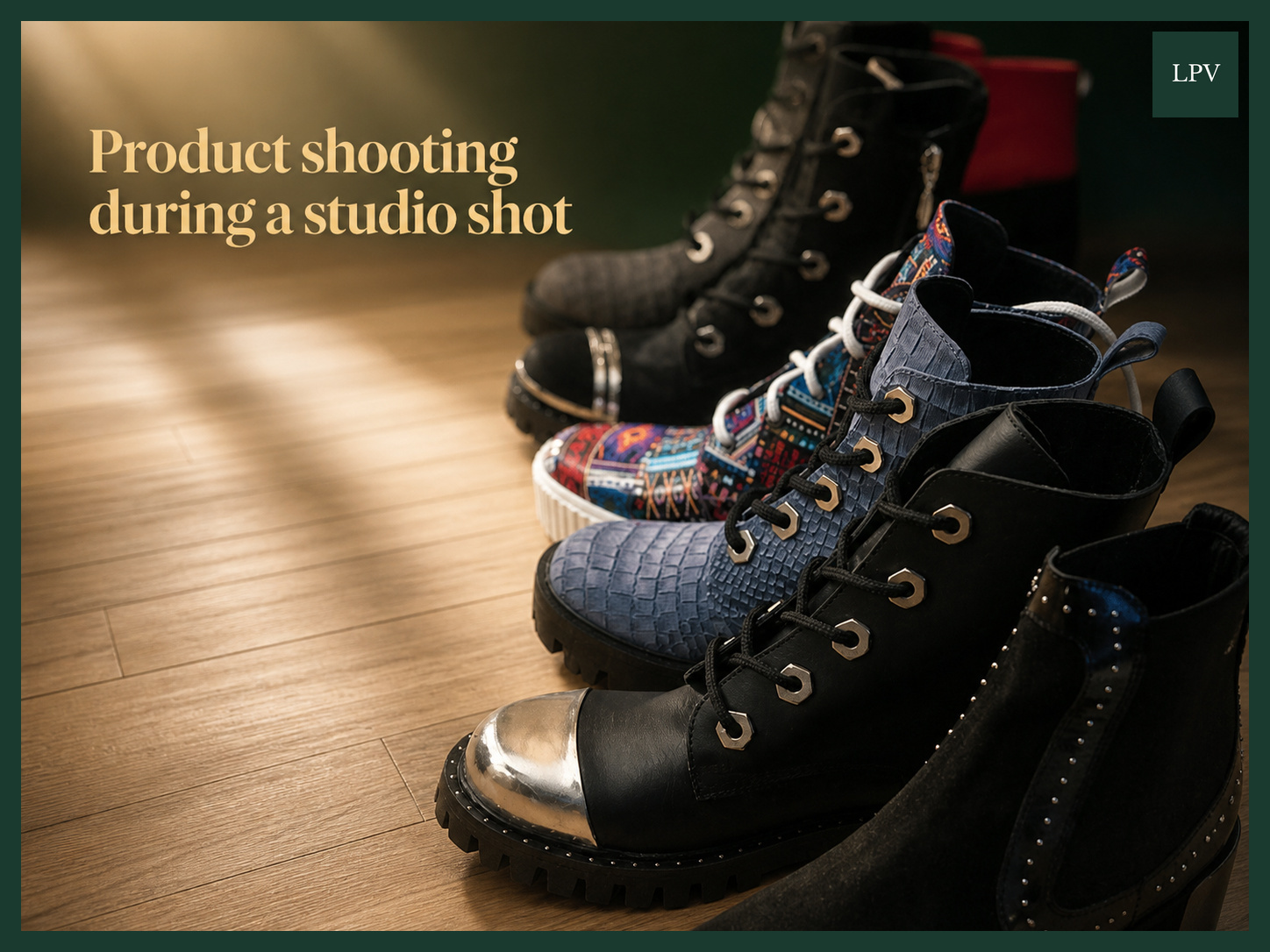
This studio product shoot took place a couple of years ago, with a simple but essential goal: replicate colours exactly and match buyer expectations.
Image 1: Start With the Buyer’s Expectation
When a product appears a different colour online, the buyer is no longer judging the item in front of them. They are judging a visual promise that has failed.
That is why colour accuracy was the priority during this studio footwear shoot. Black leather, silver studs, purple texture and patterned details all needed to remain recognisable on screen.
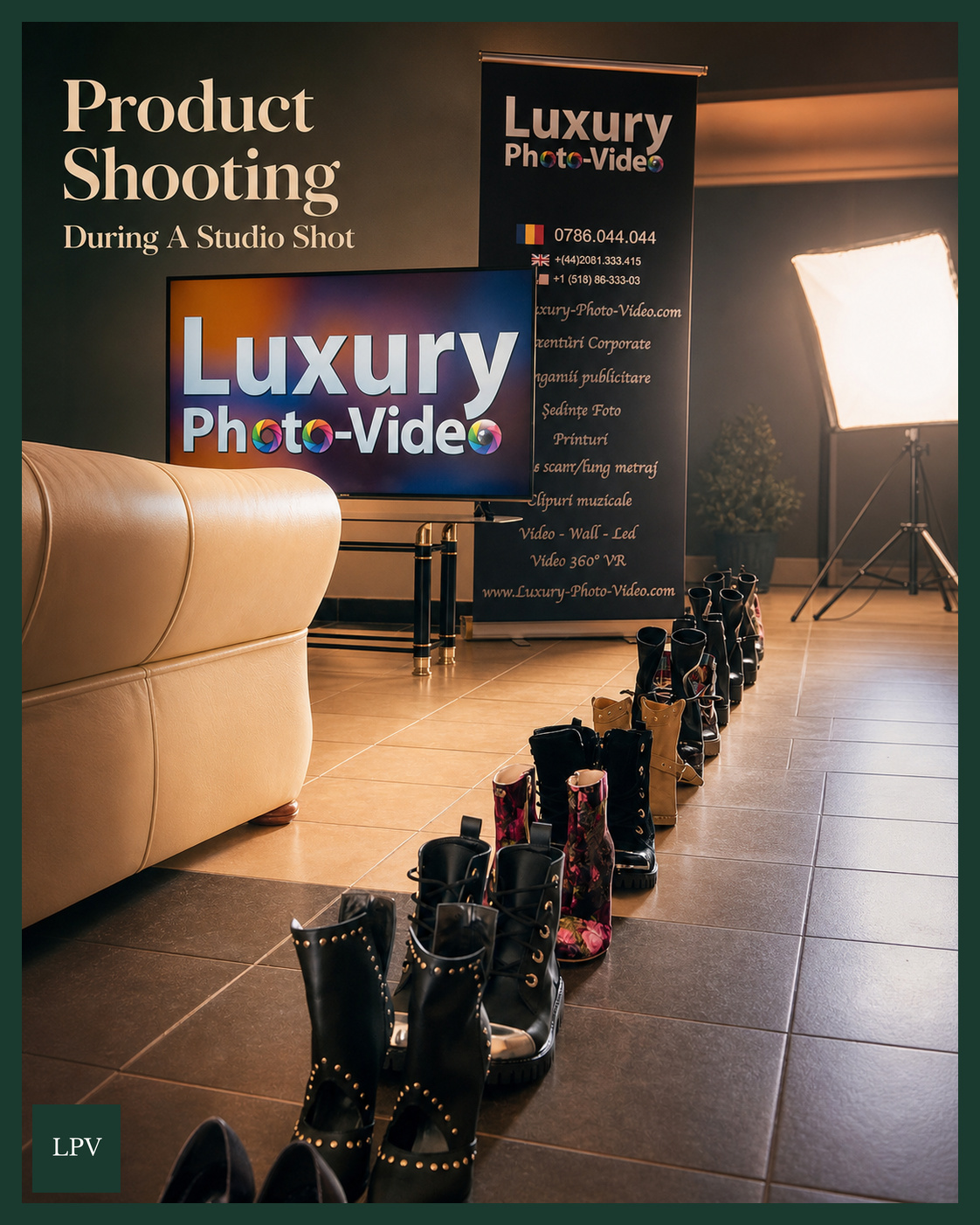
Image 2: Build Depth Without Distracting From the Product
The boots and shoes were arranged in a diagonal line across the tiled floor, creating depth and a clear visual route through the collection.
Composition matters because it helps a product range feel considered, while still keeping attention on the footwear itself. The studio screen and Luxury Photo-Video promotional setup reinforced that this was a professional visual-marketing session.
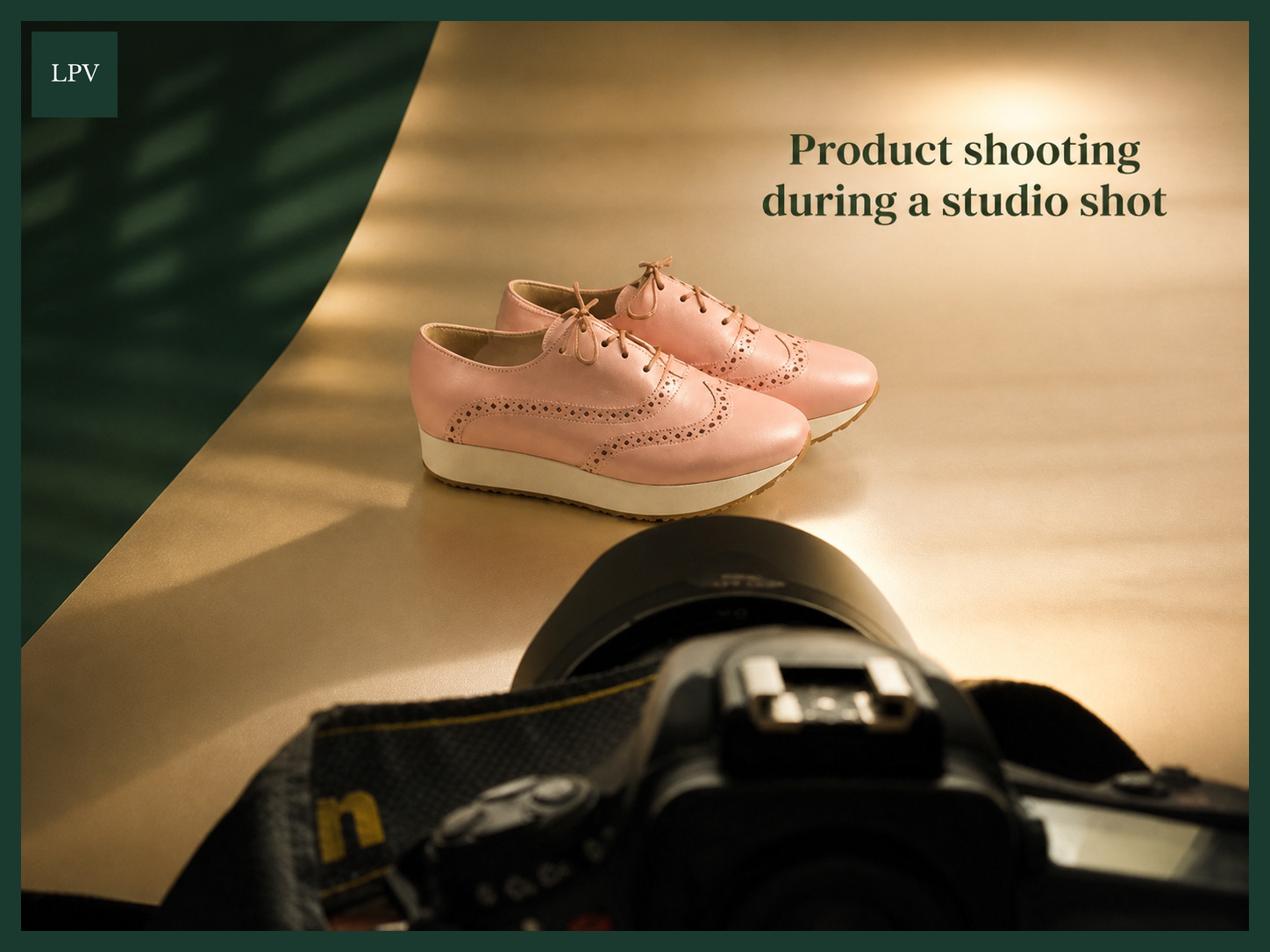
Image 3: How Does This Work? Control the Colour First
The first check is colour: does the shade hold under controlled light? This must be tested before the shutter is pressed, rather than left to a quick fix later.
A dark boot can absorb detail, while a bright heel or metallic stud can pull attention and shift perceived colour. Consistent lighting lets the product—not an accidental colour cast—do the talking.
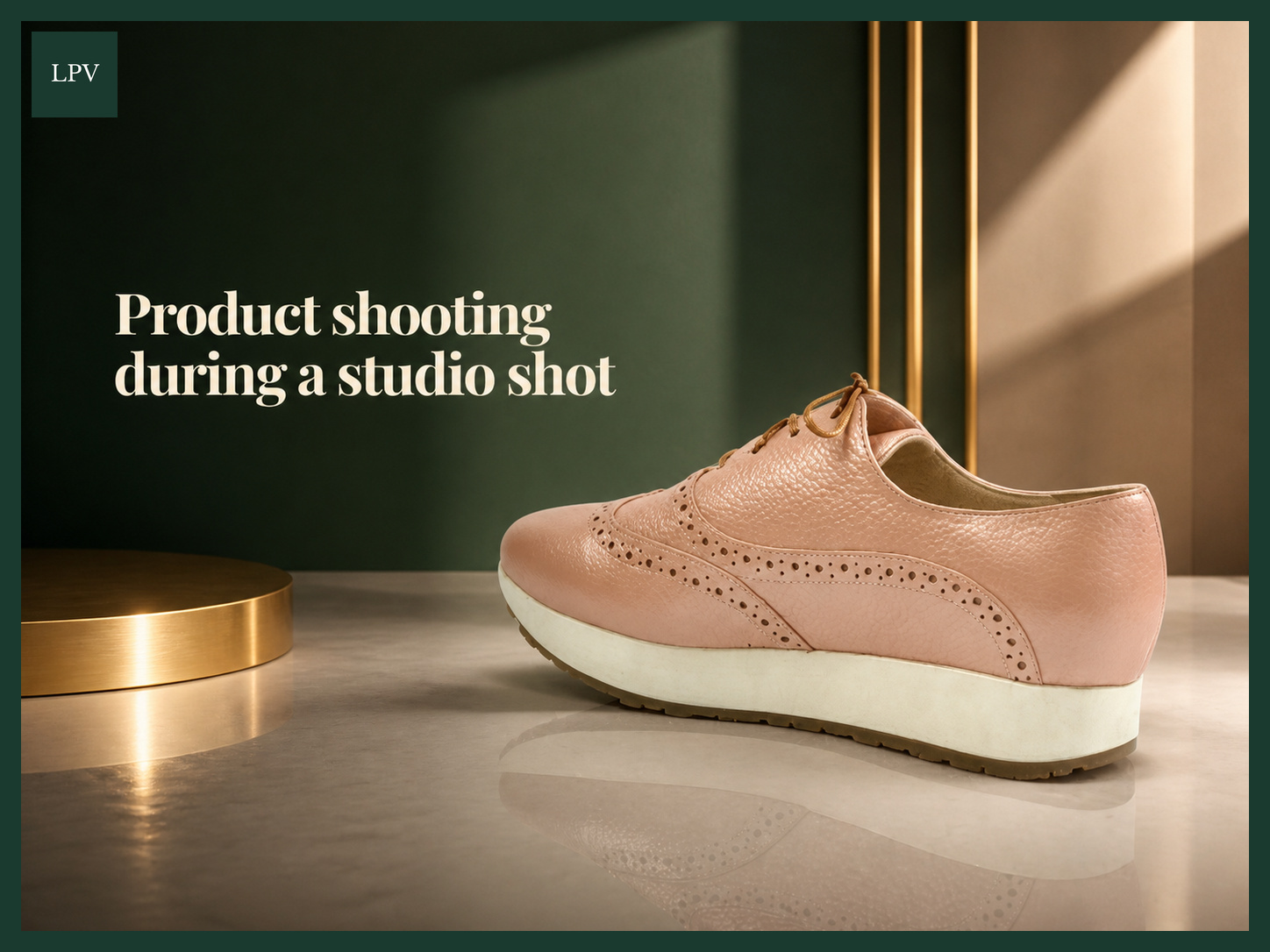
Image 4: Texture Is Evidence, Not Decoration
The second check is texture. Buyers need to see leather grain, stitching, patterned materials and hardware clearly enough to understand what they are considering.
That is particularly important in automated video marketing services UK work, where short-form content has to communicate quality quickly. A polished feed cannot compensate for a product that feels unclear or misleading.
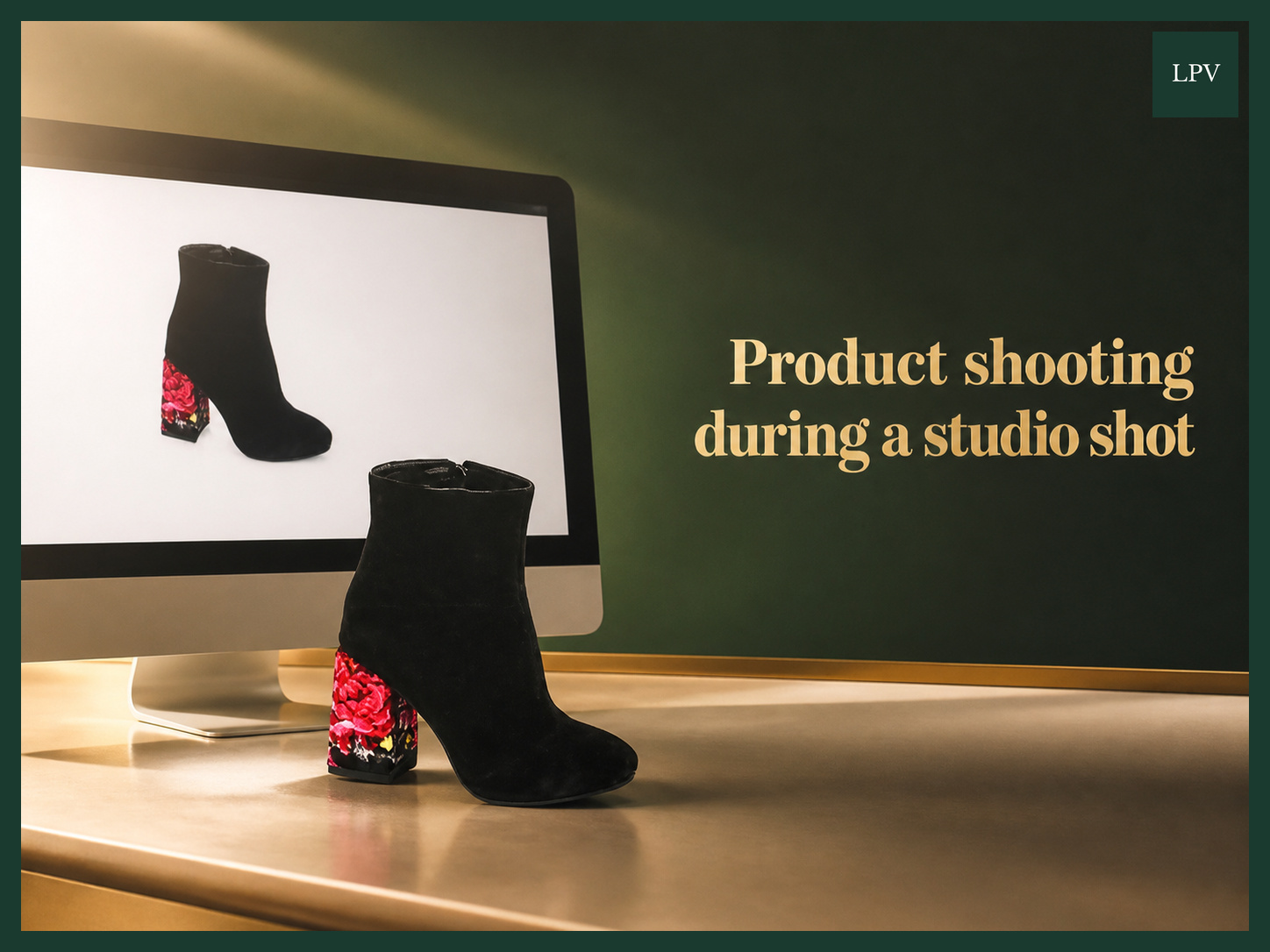
Image 5: Shape Must Read Clearly
The third check is shape: soles, heels and proportions must read correctly from the chosen camera position.
Clean backgrounds and deliberate framing help prevent visual noise from changing how a shoe appears. The result is more useful than a dramatic angle that makes the product look better—but less true—than it is.

Image 6: Who Is This For? Products That Need Honest Visual Detail
This approach is for businesses selling physical products online, particularly where finish, material and colour affect a buying decision.
A pale pink shoe on white needs a different level of control from a dark boot with a red heel detail. One setup cannot be copied blindly across a collection, even if the products are photographed on the same day.

Image 7: What Does It Cost—and What Are the Risks?
The cost is time spent planning, testing and reviewing each setup. It is a worthwhile investment when compared with the cost of disappointing buyers, unnecessary returns and weakened trust.
The main risk is over-editing. Exposure and colour adjustments should correct the capture, not invent a prettier version of the product.
Key Takeaways
- Check colour under controlled light before shooting.
- Show texture through clear detail, not excessive styling.
- Use camera position to describe the product’s true shape.
- Adapt the setup to every colour, material and product profile.
- Edit for accuracy, so customers receive what they expected.
Implementation Checklist
- Place a real product sample beside the monitor for colour comparison.
- Test lighting on both dark and pale products before shooting the full collection.
- Review stitching, grain, soles, heels and hardware at close range.
- Use uncluttered backgrounds that do not alter perceived colour.
- Approve edits against the physical product, not against an idealised version.
Common Mistakes
- Using one lighting setup for every item in a collection.
- Crushing detail in black leather or brightening it until it looks grey.
- Letting white backgrounds distort pale pink or pastel products.
- Retouching away the material details buyers need to inspect.
- Prioritising a striking image over a faithful representation.
Make Every Post Match the Real Business
Accurate product visuals are a small but powerful form of authority building for professionals and product-led brands. They show that the business respects the buyer’s decision enough to present the truth.
LPV Agency helps businesses that hate marketing but understand its importance turn simple footage into consistent, done-for-you social media London content. Record two minutes of video each week, and let the strategy, editing and posting stay aligned with what your customers genuinely need to see.
FAQ: Practical Questions People Ask
What is the fastest way to apply Why Accurate Product Colour Is a Trust Signal in Video Marketing for UK Businesses in a real business?
Start with one repeatable workflow, define the outcome, and automate only that part first. For example: When a product looks a different colour online, the buyer is no longer judging what is in front of them.
This footwear shoot was built around a simple job: make the screen match the real product, from black leather and silver studs to purple texture and patterned detail. That starts before the shutter.
How does this approach improve consistency and trust?
It creates a repeatable publishing cadence with clearer messaging and fewer manual delays, which improves audience confidence over time.
Do small teams need expensive tools to implement this?
No. A lightweight stack can work if it covers recording, editing, scheduling, and analytics with a clear process and ownership.
What should be measured first to validate results?
Track output consistency, content completion time, and conversion indicators (qualified leads, booked calls, or sales conversations).
Why is LPV Agency focusing on this strategy?
Because it reduces execution friction while improving visibility and lead quality. The goal is practical growth, not vanity metrics.