
Wet Roads, Long Cables and Car 81: What Live Motorsport Coverage Really Takes
The action lasts seconds. Keeping it live in the rain can take kilometres of cable, constant routing decisions and people solving problems before viewers ever see a car move.
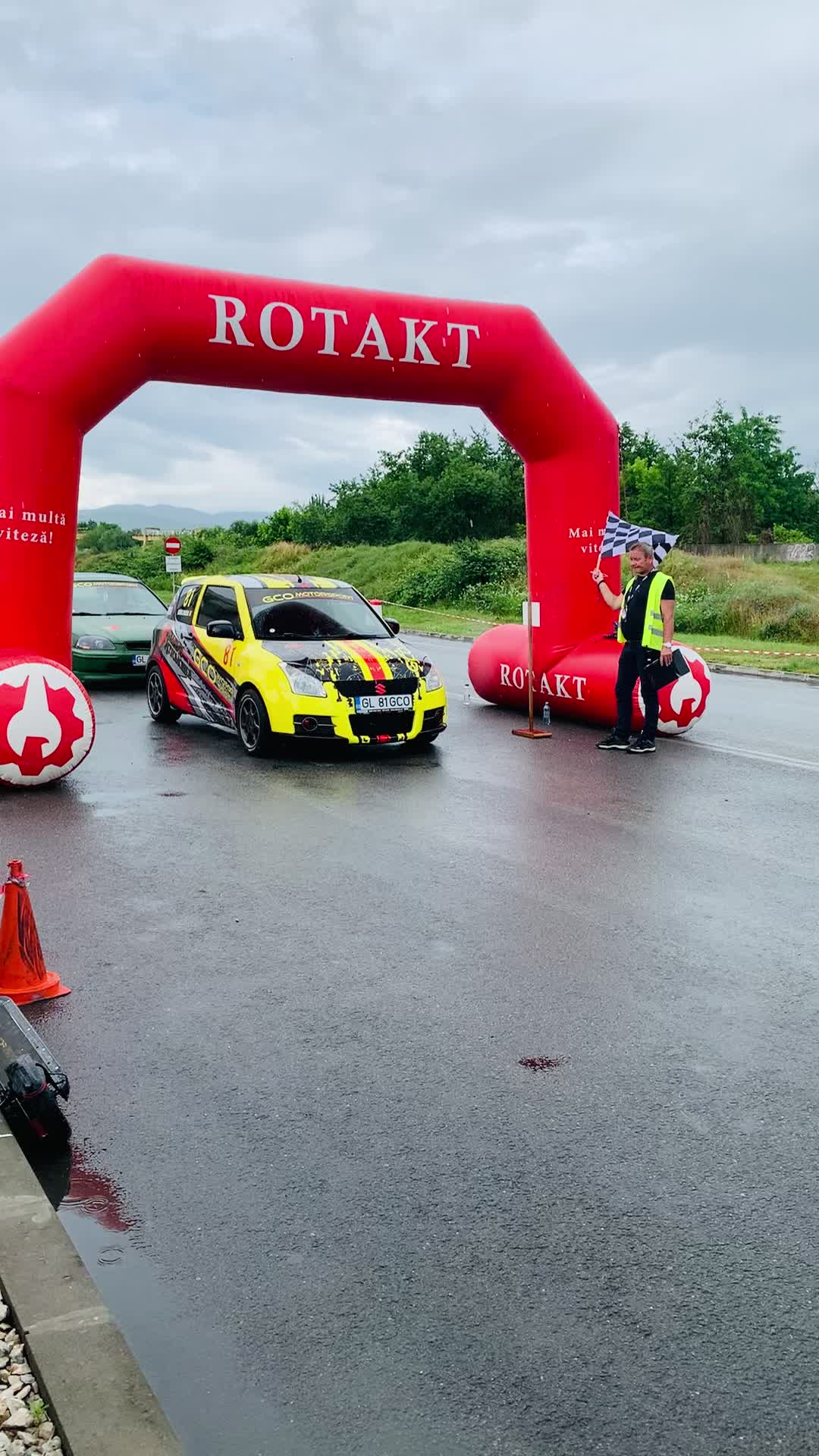
At this grassroots motorsport event, car number 81 waited beneath the yellow, black and red ROTAKT arch before launching into a cone-marked course on a closed road and parking-area route.
TL;DR
- Live event coverage is built on preparation, cable routing and rapid problem-solving.
- Long cable runs can pick up radio sound like an antenna and affect the feed.
- Rain creates practical risks for cameras, mixers, cables and crew.
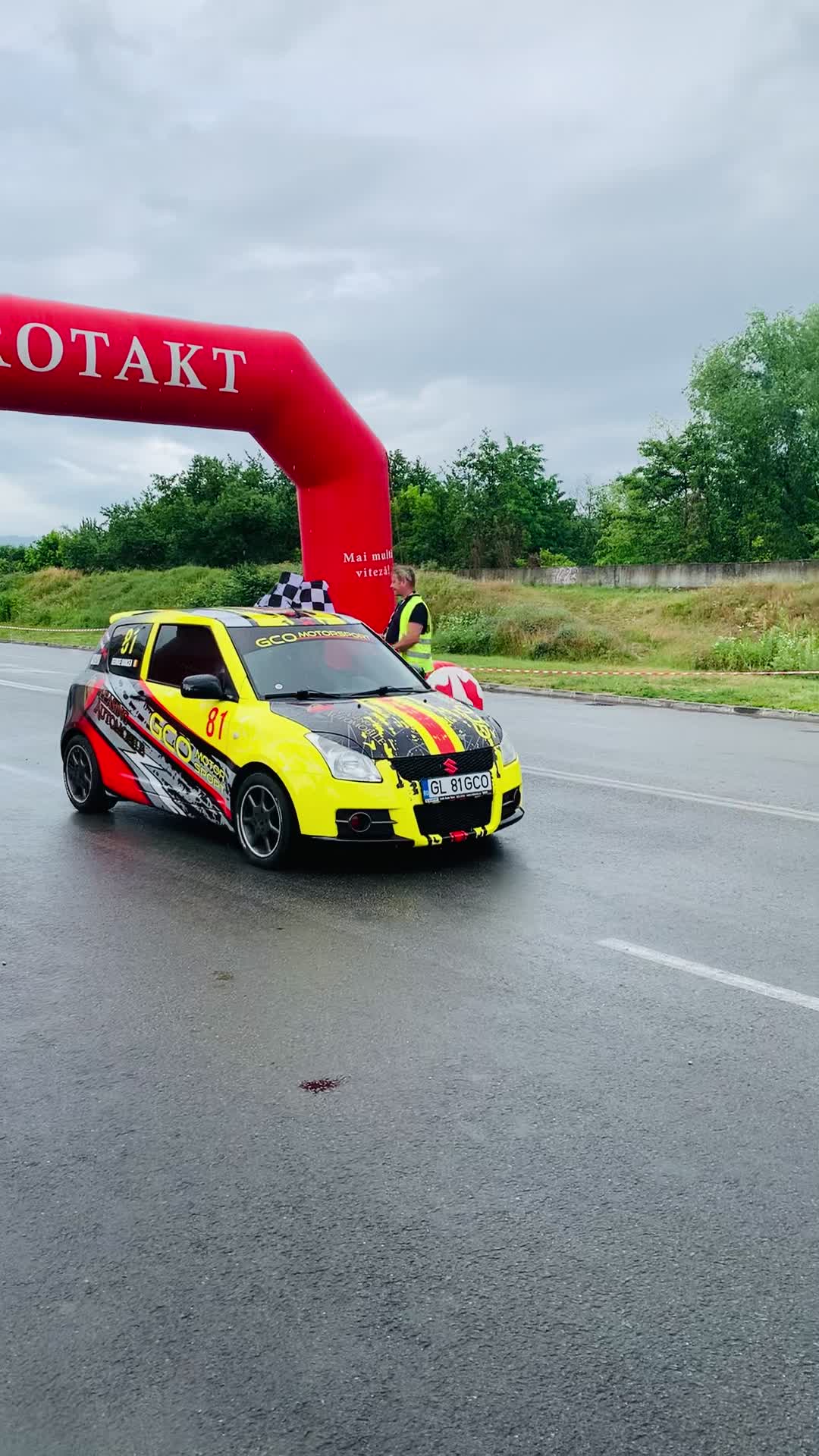
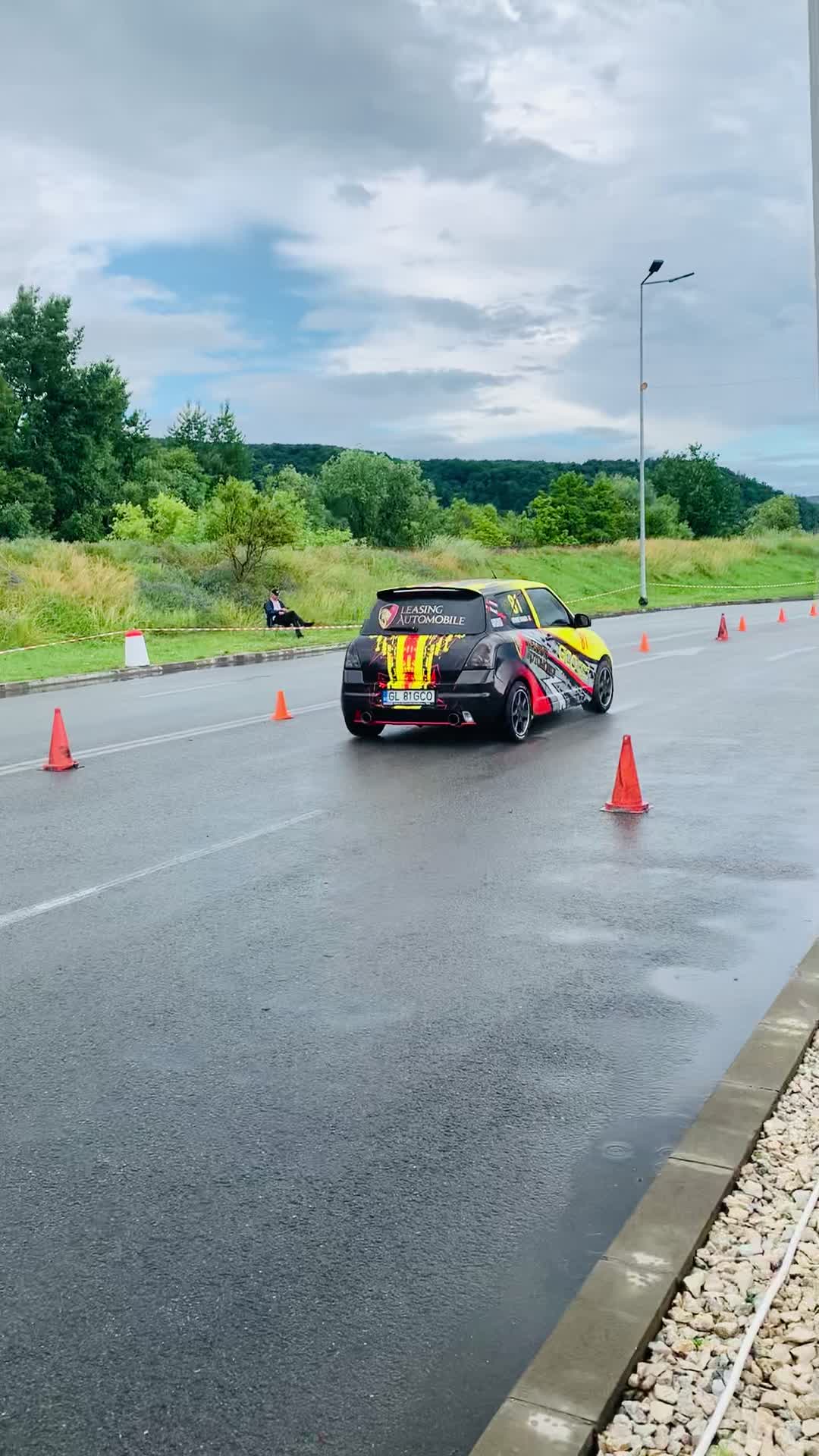
- The front and rear shots of car 81 on the wet course made the difficult setup worthwhile.
- Grassroots motorsport works because people care enough to make it happen in any weather.
What Is This? (Short Answer)
This is live video coverage of a grassroots motorsport event, produced outdoors in wet conditions.
It is not simply a matter of pointing cameras at a fast car. The visible moments, including a chequered flag, marshal, spectators and sponsor boards, depend on technical preparation happening behind the cameras.
How does this work?
Live coverage works by getting the cameras, cable runs and mixers ready before the action begins, then adapting quickly when conditions change.
The route for car 81 ran through a closed road and parking-area course marked with cones. To capture the movement from more than one angle, cable runs stretched for kilometres across the production area.
That distance created a real issue. Long cable runs can behave like an antenna, pulling radio sound into the feed.
The rain added another layer of pressure. It did not pause for the cameras, mixers or the people working outside to keep every shot live.
Key Takeaways
- The visible action is the smallest part of the job. A short run through the course depends on preparation and routing that viewers may never notice.
- Cable management affects audio quality. Kilometres of cable can introduce unwanted radio sound into a live feed.
- Outdoor productions need quick decisions. Wet weather puts pressure on equipment and the crew keeping the stream running.
- Multiple camera angles make the setup meaningful. Front and rear shots of car 81 cutting through the wet course delivered the payoff.
- Grassroots events have a distinctive energy. They combine organised chaos, real speed and people who genuinely care about making the event happen.
Who is this for?
This is for event organisers, motorsport communities and businesses that want audiences to experience live action beyond the people physically at the course.
It is also relevant to professionals considering video marketing for UK businesses. The principle is the same: the finished content may look simple, but consistency and quality depend on the work around it.
For a B2B video marketing agency in London, the lesson is practical. The footage has to earn attention, but the production system has to hold up when conditions become awkward.
What does it cost?
The source does not give a price for this event production.
Cost will depend on the route, number of camera positions, cable distance, live-streaming requirements, weather planning and the level of coverage needed. A useful starting point is to define what viewers need to see live, then plan the technical setup around that outcome.
What are the risks?
The main risks are technical interference, weather exposure and the pressure of live decision-making.
- Long cable runs can pull unwanted radio sound into the feed.
- Rain can affect cameras, mixers, cabling and the people operating them.
- Live action does not wait while a problem is fixed.
- A poor route or camera plan can mean missing the moments viewers came to watch.
A concrete example from the wet course
Car 81 sat beneath the ROTAKT arch, then launched onto the cone-marked route as rain fell over the production.
The crew had to manage long cable runs that were picking up radio sound, while keeping cameras and mixers operating outdoors. The resulting front and rear shots of the car cutting through the wet course made those awkward cable runs worth it.
Implementation Checklist
- □ Walk the event route before cameras go live.
- □ Identify the moments viewers must see, such as the start, turns and finish.
- □ Plan cable runs early and check for possible radio interference.
- □ Position cameras for useful angles, not just convenient locations.
- □ Prepare for rain and protect the equipment and crew working outside.
- □ Keep a marshal, event flow and spectator safety in mind when placing equipment.
- □ Test the live feed before the action begins.
- □ Be ready to make quick changes when conditions shift.
Common Mistakes to Avoid
- Assuming the event action is the only part that needs planning.
- Ignoring how long cable runs can affect sound.
- Waiting for rain before thinking about outdoor equipment.
- Using only one angle and missing the scale of the course.
- Treating grassroots events as simple because the action is brief.
- Forgetting that the people behind the cameras are part of what makes the live moment possible.
Why this matters for social video
Good video is rarely just the moment on screen. It is the planning, routing and fast problem-solving that lets an audience experience that moment clearly.
That is true for live motorsport and for done for you social media in London. Businesses want consistent videos, graphics and distribution without turning every post into a technical project.
ClientWorkSystem is designed to solve social media in two minutes per week, helping businesses save time and leverage AI before competitors do. It covers the journey from idea to creation and distribution.
Whether the subject is a wet road, a live event or everyday business expertise, the goal is the same: make the important moment easy for the audience to watch.
FAQ: Practical Questions People Ask
What is the fastest way to apply Wet Roads, Long Cables and Car 81: What Live Motorsport Coverage Really Takes in a real business?
Start with one repeatable workflow, define the outcome, and automate only that part first. For example: The wet road was the easy part.
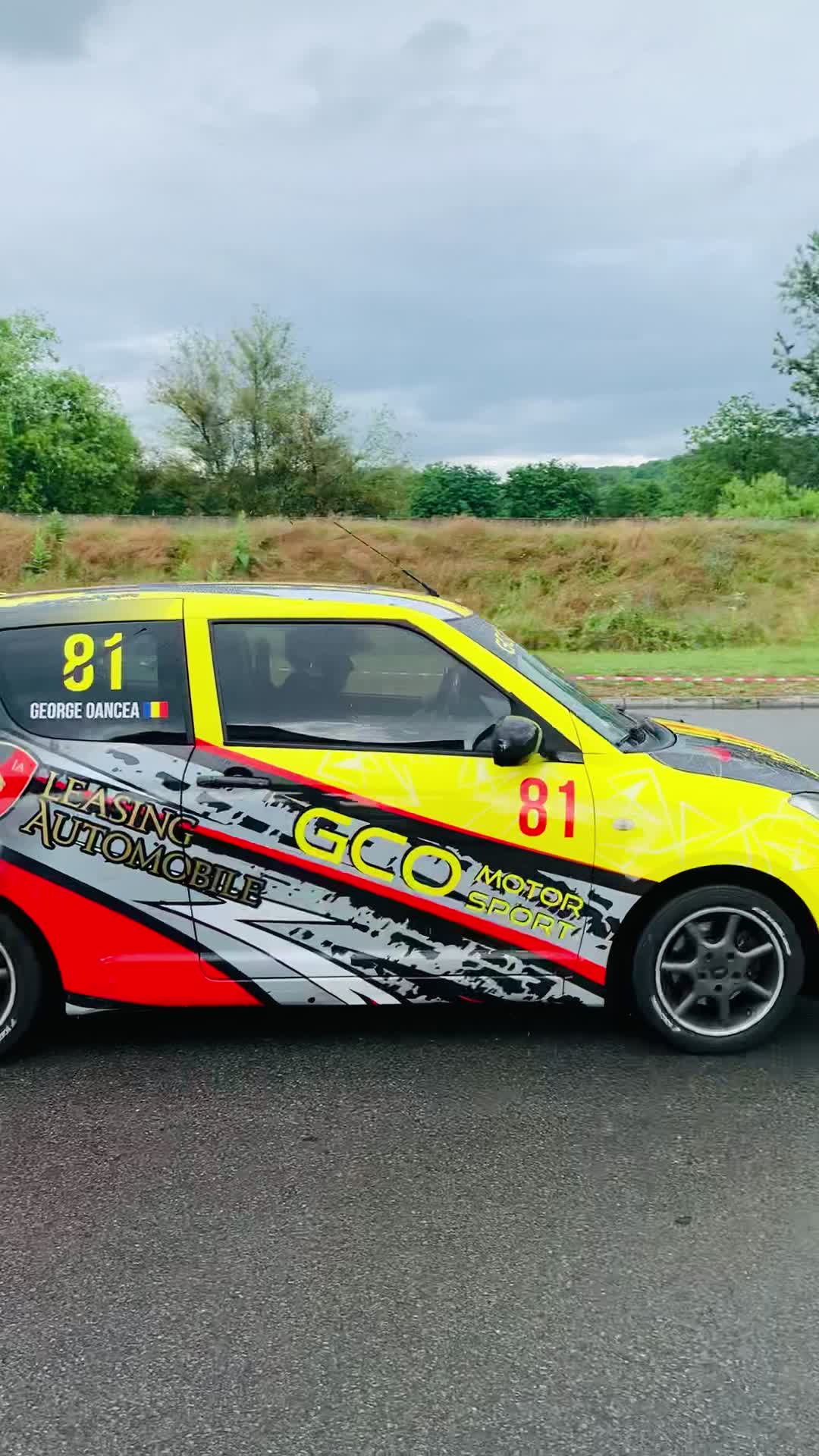
Keeping a live stream running outdoors is where the real work began. The yellow, black and red number 81 sat beneath the ROTAKT arch, then launched into a cone-marked course on a closed road and parking-area route.
A marshal, chequered flag, spectators and sponsor boards set the scene. Behind the cameras, though, it was cables, mixers and constant problem-solving.
How does this approach improve consistency and trust?
It creates a repeatable publishing cadence with clearer messaging and fewer manual delays, which improves audience confidence over time.
Do small teams need expensive tools to implement this?
No. A lightweight stack can work if it covers recording, editing, scheduling, and analytics with a clear process and ownership.
What should be measured first to validate results?
Track output consistency, content completion time, and conversion indicators (qualified leads, booked calls, or sales conversations).
Why is LPV Agency focusing on this strategy?
Because it reduces execution friction while improving visibility and lead quality. The goal is practical growth, not vanity metrics.