
Unlocking Scalable Growth Through Intentional Partnerships: Insights from Gabriela-Maria Rogati-Pinches
TL;DR
- Partnerships are crucial for growth, yet many businesses lack a systematic approach.
- Gabriela-Maria Rogati-Pinches advocates for intentional frameworks to enhance collaboration.
- Key takeaways include stopping the practice of “winging it” and building strategic alliances.
- Systematizing partnerships can provide a competitive edge in the market.
- Ready to transform your strategy? Connect with us!
What Is This? (Short Answer)
The Corporate Connections Scale Summit brought together business leaders, where expert Gabriela-Maria Rogati-Pinches shared strategies for turning partnerships into scalable growth.
Recently, I had the pleasure of attending the Corporate Connections Scale Summit, a gathering of forward-thinking professionals focused on enhancing collaboration and growth strategies. Gabriela-Maria Rogati-Pinches from GRP Connections took the stage, delivering invaluable insights on how businesses can transform their partnerships into scalable success.
The Uncomfortable Truth: Stop Winging It
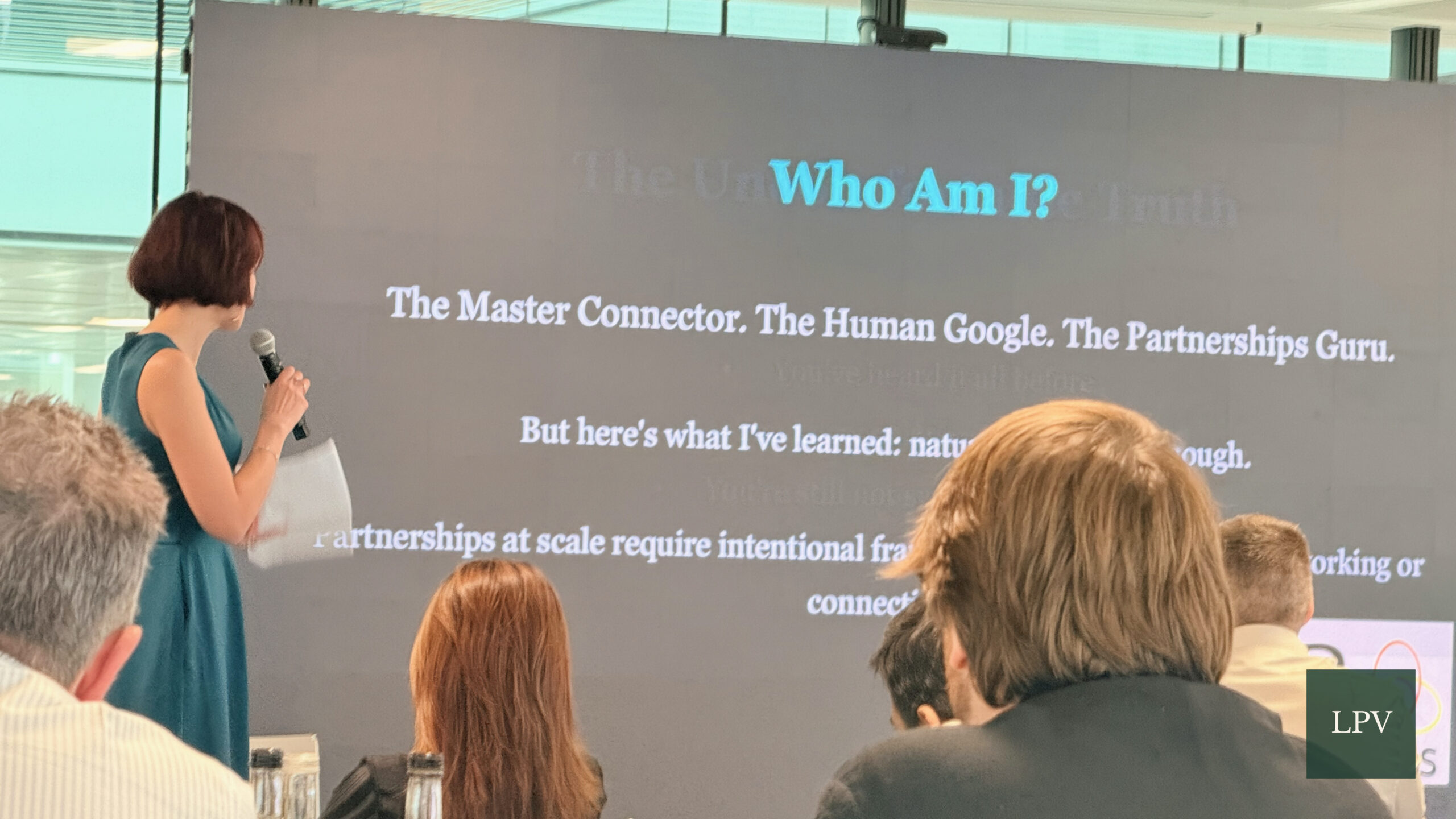
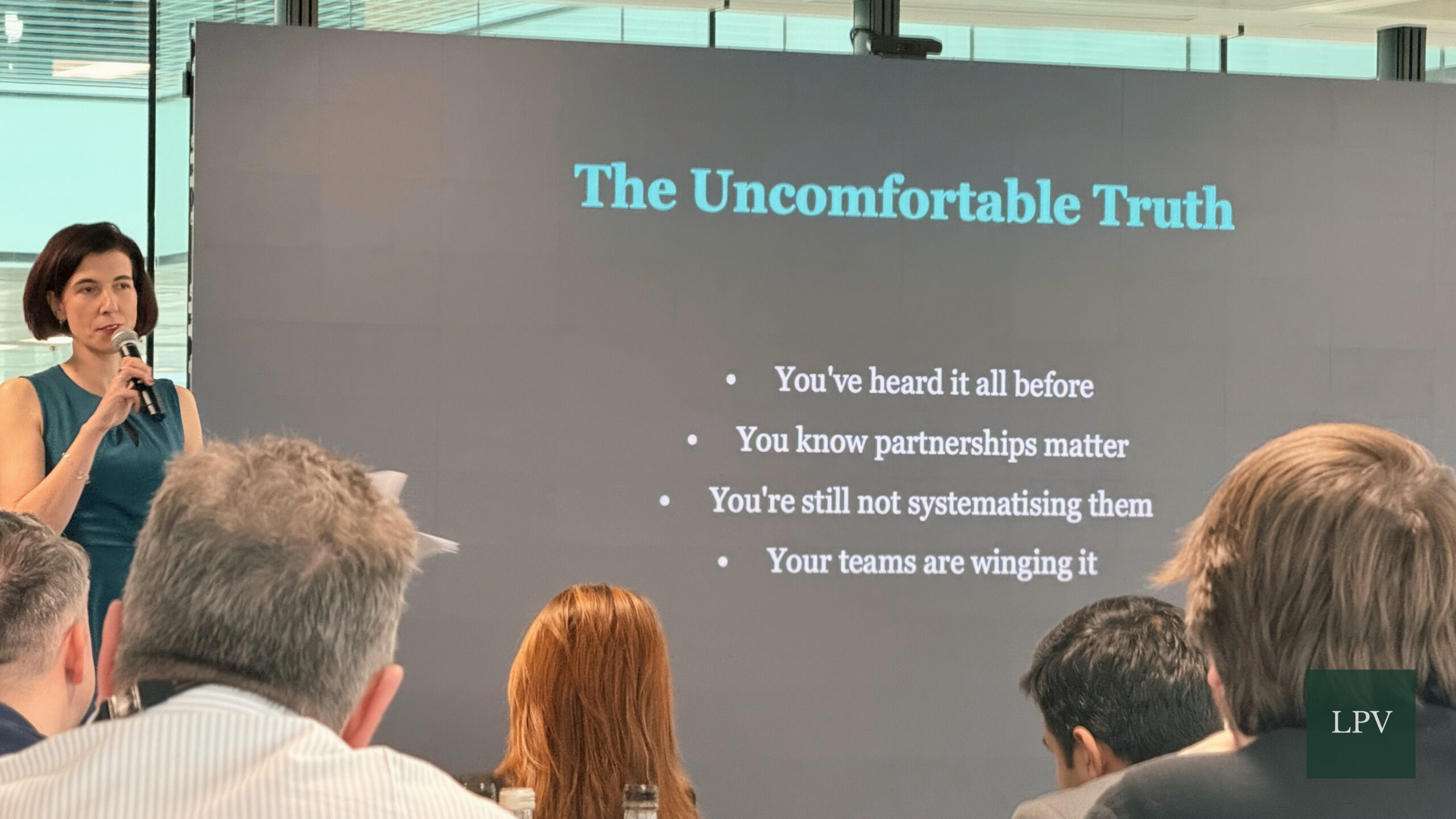
Gabriela-Maria opened her talk with a stark reminder: many organizations recognize the importance of partnerships but often find themselves “winging it” without a structured approach. This common pitfall can hinder growth and lead to missed opportunities.
She emphasized that while natural networking is beneficial, it is not enough for achieving true scale. The need for intentional frameworks is paramount. Companies must shift their mindset from casual collaboration to strategic alliances that are purposefully developed and maintained.

Framework for Success: Systematize Your Partnerships
To effectively scale partnerships, Gabriela-Maria introduced the concept of systematization. This involves creating structured processes that define how partnerships are formed, managed, and evaluated. By implementing intentional frameworks, businesses can ensure that every collaboration is aligned with their growth objectives.
Gabriela-Maria highlighted that a successful partnership strategy requires clarity in roles, expectations, and outcomes. When teams have a clear framework in place, they are empowered to collaborate more effectively, measure success, and pivot as necessary.
Strategic Alliances: The Key to Market Positioning
One of the key insights Gabriela-Maria shared was the importance of forming strategic alliances. These partnerships provide a competitive advantage by expanding reach and solidifying market positioning. It’s not enough to simply network; businesses must cultivate relationships that enhance their capabilities and offerings.
She urged attendees to identify potential partners that align with their values and goals, fostering an environment where both parties can thrive. The outcome of such collaborations is not just growth but also resilience in a rapidly changing market landscape.

Ready to Transform Your Strategy?
With the insights shared by Gabriela-Maria, it’s clear that the journey to scalable growth begins with a commitment to systematizing partnerships. By adopting a strategic approach, businesses can unlock new opportunities and enhance their overall effectiveness.
If you’re curious about how to implement these strategies in your organization, let’s connect. Together, we can explore how systematization can drive scalable growth tailored to your specific needs.
How Does This Work?
Implementing intentional frameworks and strategic alliances requires a clear understanding of your business objectives. Start by identifying key areas where partnerships can accelerate growth and then develop structured processes to manage these relationships.
Who Is This For?
This approach is designed for business leaders, marketers, and entrepreneurs looking to enhance their partnership strategies and drive sustainable growth.
What Does It Cost?
The cost of not systematizing partnerships can be significant, leading to lost opportunities and inefficient collaboration. However, the investment in developing structured frameworks can yield substantial returns.
What Are the Risks?
The primary risk lies in remaining stagnant and missing out on potential growth opportunities. Without strategic partnerships, businesses may find themselves outpaced by competitors who leverage collaboration effectively.
Key Takeaways
- Partnerships are vital for growth but require a systematic approach.
- Intentional frameworks help to clarify roles and expectations.
- Strategic alliances can provide a significant competitive advantage.
- Stop winging it—adopt processes that align with your business goals.
Implementation Checklist
- Identify potential partnership opportunities aligned with your business goals.
- Create a structured approach to managing partnerships.
- Define roles, expectations, and outcomes for each partnership.
- Regularly evaluate the effectiveness of your partnerships.
Common Mistakes
- Relying solely on informal networking.
- Failing to establish clear expectations with partners.
- Not measuring the success of partnerships systematically.
Closing Thoughts
Gabriela-Maria Rogati-Pinches’ insights at the Corporate Connections Scale Summit shed light on the importance of intentionality in partnerships. By systematizing your approach and forming strategic alliances, you can unlock scalable growth and enhance your market positioning. Ready to take the next step? Let’s connect and explore how we can help you transform your partnership strategy.
FAQ: Practical Questions People Ask
What is the fastest way to apply Unlocking Scalable Growth Through Intentional Partnerships: Insights from Gabriela-Maria Rogati-Pinches in a real business?
Start with one repeatable workflow, define the outcome, and automate only that part first. For example: I recently attended the Corporate Connections Scale Summit, where Gabriela-Maria Rogati-Pinches of GRP Connections presented on turning partnerships into scalable growth.
Her insights were truly valuable. One key takeaway was the “Uncomfortable Truth”: many know partnerships matter, but aren’t systematizing them.
Teams are often just ‘winging it.’ It’s a common pitfall. The shift?
Intentional frameworks.
How does this approach improve consistency and trust?
It creates a repeatable publishing cadence with clearer messaging and fewer manual delays, which improves audience confidence over time.
Do small teams need expensive tools to implement this?
No. A lightweight stack can work if it covers recording, editing, scheduling, and analytics with a clear process and ownership.
What should be measured first to validate results?
Track output consistency, content completion time, and conversion indicators (qualified leads, booked calls, or sales conversations).
Why is LPV focusing on this strategy?
Because it reduces execution friction while improving visibility and lead quality. The goal is practical growth, not vanity metrics.