
Unlocking Global Market Potential: Insights from David Solomon’s ‘Passport to Growth’
In a rapidly globalizing economy, the ability to expand into new markets is crucial for business growth. At the recent event titled ‘Build a Stronger and More Resilient Business for 2026 and Beyond,’ David Solomon of SERO Growth delivered compelling strategies for manufacturers looking to broaden their horizons. With over 35 years of experience and a wealth of knowledge, Solomon presented his three-stage ‘Passport to Growth’ framework, a roadmap designed to navigate the complexities of international market expansion.
Stage 1: Thorough Assessment
The first step in Solomon’s ‘Passport to Growth’ framework is the critical phase of assessment. This stage emphasizes the importance of conducting a comprehensive evaluation of both your product and customer base. Solomon stressed that many businesses overlook this essential step, which can lead to misguided market entries.
Understanding potential markets requires more than just a cursory glance. Companies must delve into the competitive landscape and conduct a PESTEL analysis—a review of Political, Economic, Social, Technological, Environmental, and Legal factors. The insights gained from this analysis are invaluable, as they help identify not just the opportunities, but also the challenges that may arise in new territories. Solomon pointed out that, “You should find the markets that are right for your company, right for your development, and right for your current situation.”

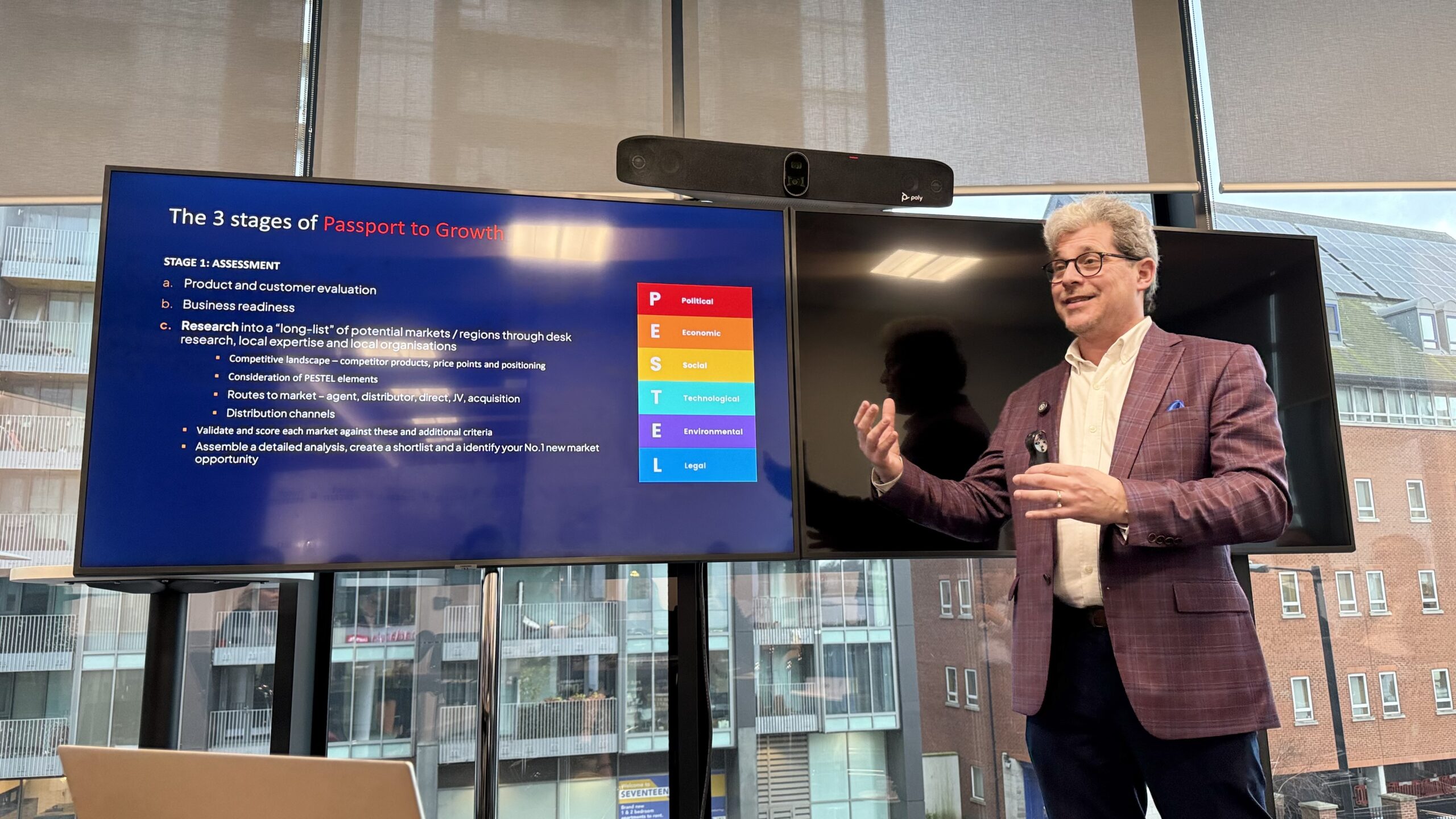
Moving into the details of market selection, Solomon highlighted that exporting represents a staggering £290 billion opportunity. However, reaping these rewards demands careful planning and execution. It’s not merely about entering a new market; it’s about entering with a sound business model that can manage growth, production, and quality effectively.
Stage 2: Strategic Alignment
The second stage of the ‘Passport to Growth’ framework focuses on aligning your business strategies with your export goals. This is where Solomon’s extensive experience shines, as he elaborated on how businesses can position themselves for success in unfamiliar markets.
“A sound business model is essential,” Solomon noted, emphasizing that businesses must ensure they can handle the complexities of scaling operations. This includes the capability to meet production demands and maintain quality standards across international borders. He cautioned that some markets may not be the best fit for a company’s unique strengths and capabilities. Identifying the right market is pivotal to sustainable growth; businesses must align their ambitions with their operational readiness.
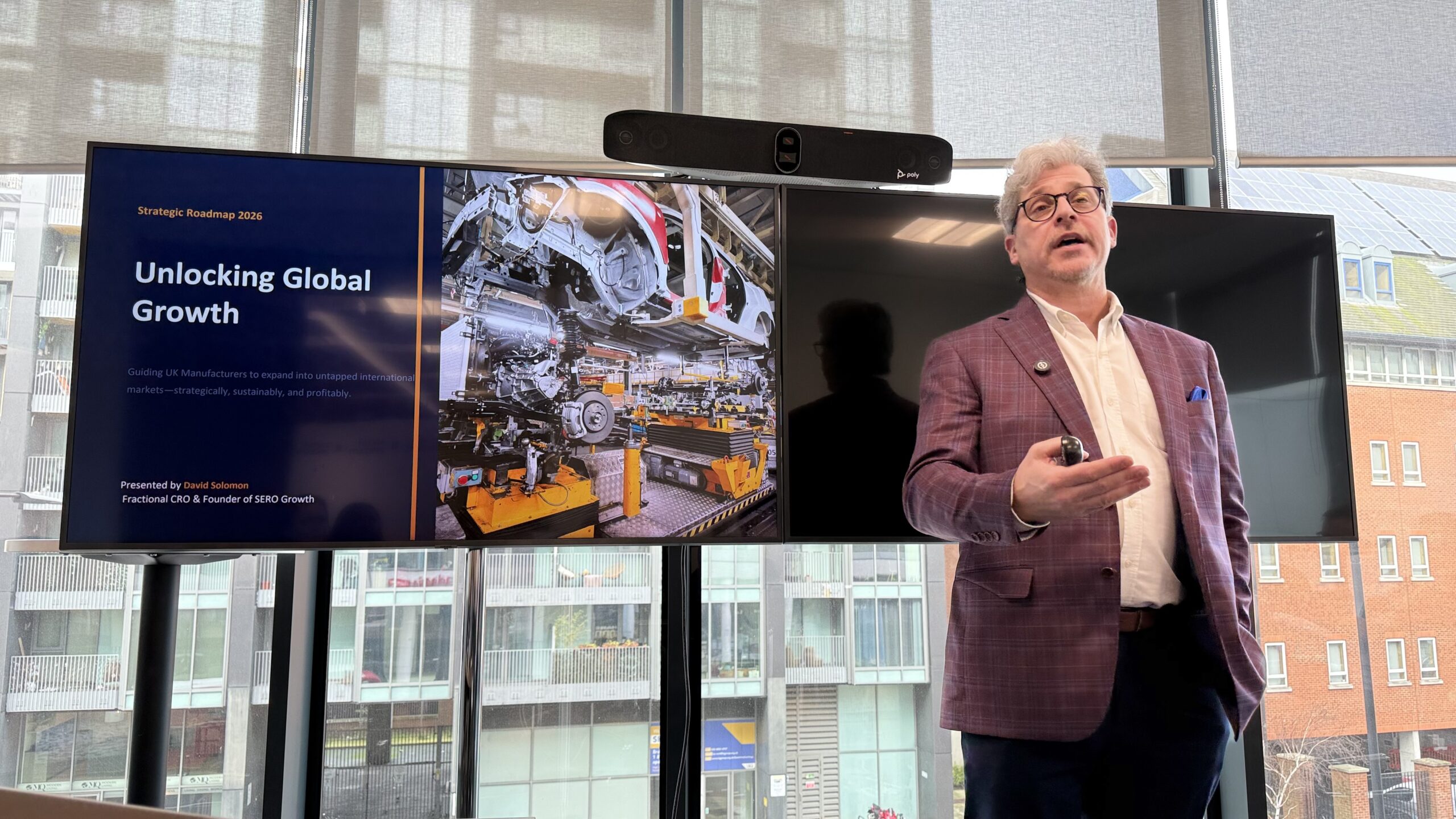
The takeaway from this stage is clear: alignment is not just about matching goals with strategies; it’s about ensuring your organization is equipped to face the challenges of a new market. This requires continuous reassessment of both internal capabilities and external market conditions.
Stage 3: Execution and Adaptation
The final stage in Solomon’s framework is execution and adaptation. This stage is where theoretical strategies meet practical application. Solomon emphasized the necessity of adaptability, noting that the global market landscape is not static; it’s constantly evolving.
Effective execution demands a flexible approach, allowing businesses to pivot when faced with unforeseen challenges. Solomon’s insights suggest that organizations must be prepared to learn from their experiences and adapt their strategies accordingly. This is particularly important in international markets, where cultural nuances and regulatory environments can differ vastly from one country to another.
As David Solomon succinctly put it, “You have to enter the market with the same business model and make sure you can handle the growth, the production, and the quality.” This quote encapsulates the essence of successful market expansion—planning meticulously while remaining agile.
Key Takeaways
– Assessment: Conduct a thorough evaluation of your product, customer base, and potential markets through PESTEL analysis.
– Market Selection: Identify markets aligned with your company’s strengths and strategic goals.
– Business Model: Ensure your business model can handle growth, production, and quality demands.
– Adaptation: Maintain flexibility and adaptability to respond to challenges in new markets.
In summary, David Solomon’s insights at the ‘Build a Stronger and More Resilient Business for 2026 and Beyond’ event provide invaluable guidance for manufacturers aiming to expand globally. His ‘Passport to Growth’ framework not only highlights the critical steps for entering new markets but also underscores the importance of adaptability in a constantly changing business landscape. For those looking to enhance their market presence, the time to act is now—assess, align, and execute.
If you’re eager to learn more about how LPV can help your business thrive in this digital age, don’t hesitate to reach out. Let’s build a stronger, more resilient future together.