
The 88% Improvement Rule: Insights from Corporate Connections London
TL;DR
- In-person networking remains invaluable for professional growth.
- Tim Dingle presented groundbreaking data on Smart-Training AI, highlighting an 88% improvement in training outcomes.
- Conversations with industry leaders revealed the disconnect between outdated training methods and evolving technology.
- Networking with experts like Michael, Adam, Alina, and Razvan provided actionable insights into AI and software development.
- Face-to-face interactions foster deeper connections and collaborative opportunities.
What Is This? (Short Answer)
The blog post shares insights from the recent Corporate Connections London meeting, where industry leaders gathered to discuss advancements in corporate training and the role of in-person networking.
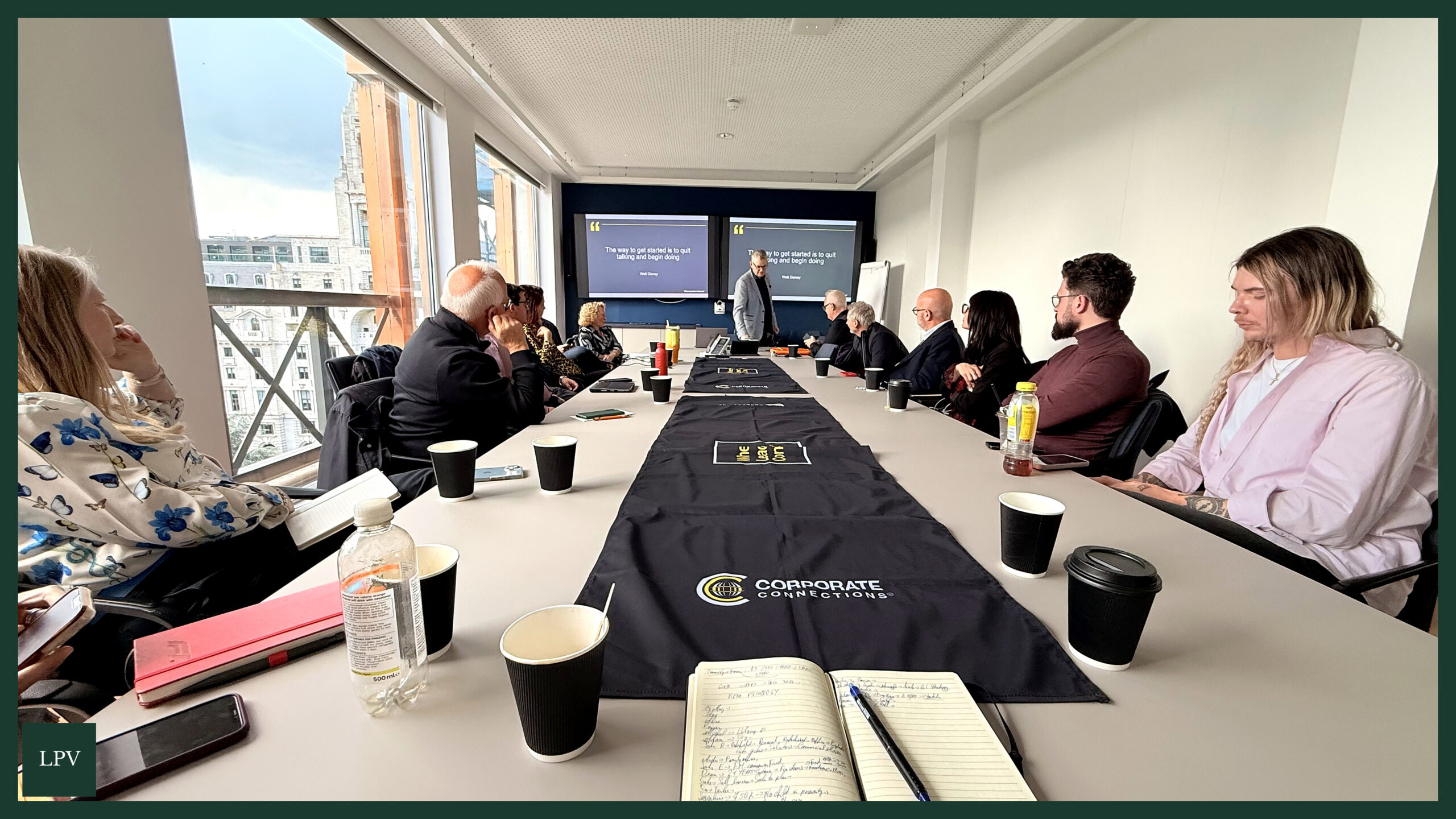
As I wrapped up my week at the Corporate Connections London meeting, I was struck by the power of in-person networking. This gathering was not just about exchanging business cards; it was a vibrant exchange of ideas and innovations that are reshaping the corporate landscape.
Embracing the Future of Training
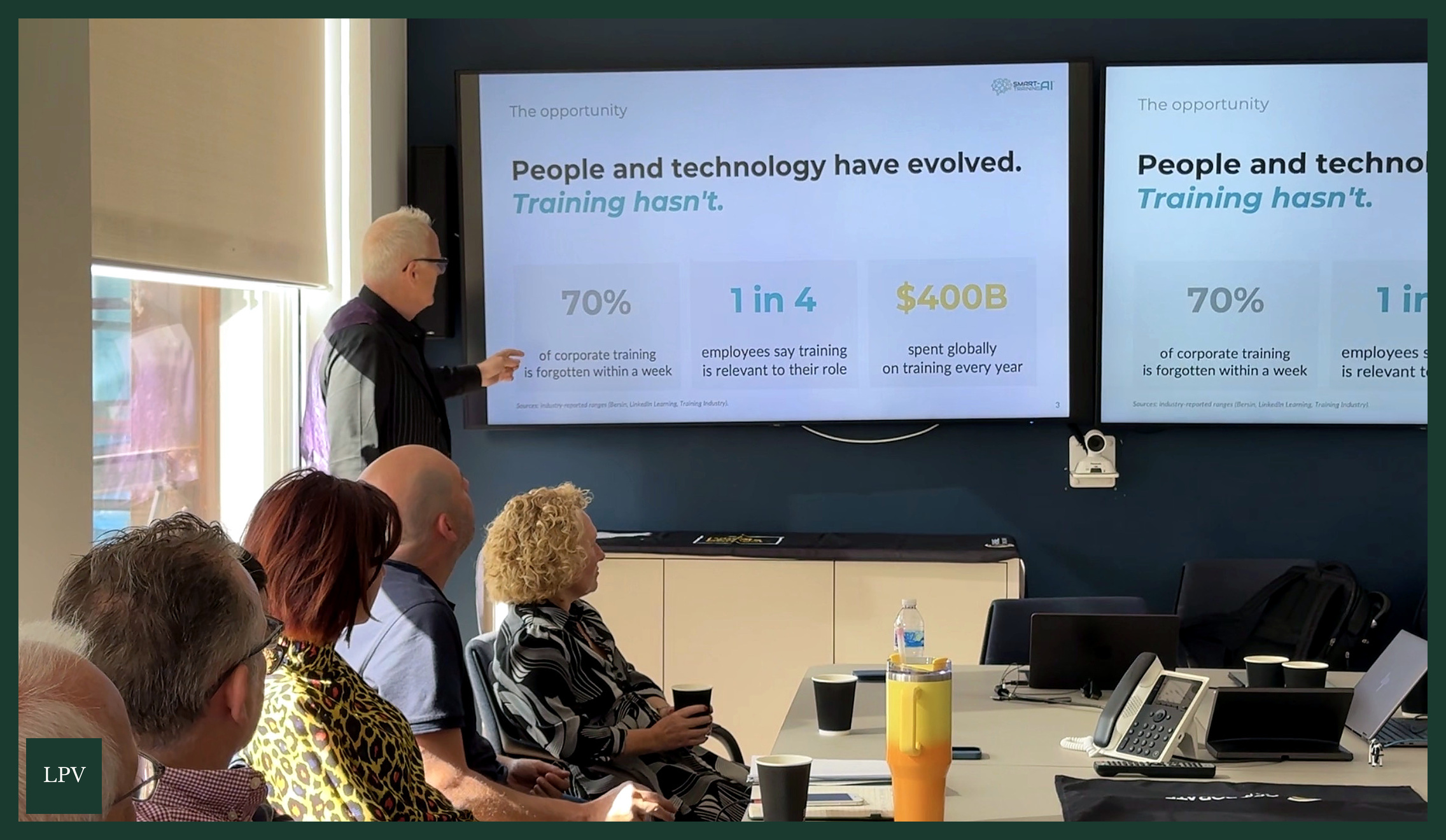
Tim Dingle’s presentation on Smart-Training AI was nothing short of eye-opening. He highlighted a staggering 88% improvement in training outcomes compared to traditional methods, challenging the notion that training is merely a box-ticking exercise. The data he presented illustrated that the delivery method significantly impacts engagement and retention.

In a world where 70% of corporate training is forgotten within a week, it’s essential for businesses to adapt. Dingle emphasized that merely shifting content delivery is not enough; companies must embrace innovative methods that resonate with modern learners. His insights beckon us to rethink how we approach professional development.
Networking with Visionaries
The event was enriched by conversations with industry leaders like Michael, a multi-award-winning leadership coach. Our discussion revolved around how effective training leads to sustained organizational success. Michael’s experience with software exits emphasized the need for businesses to invest in not just technology, but the training that supports it.
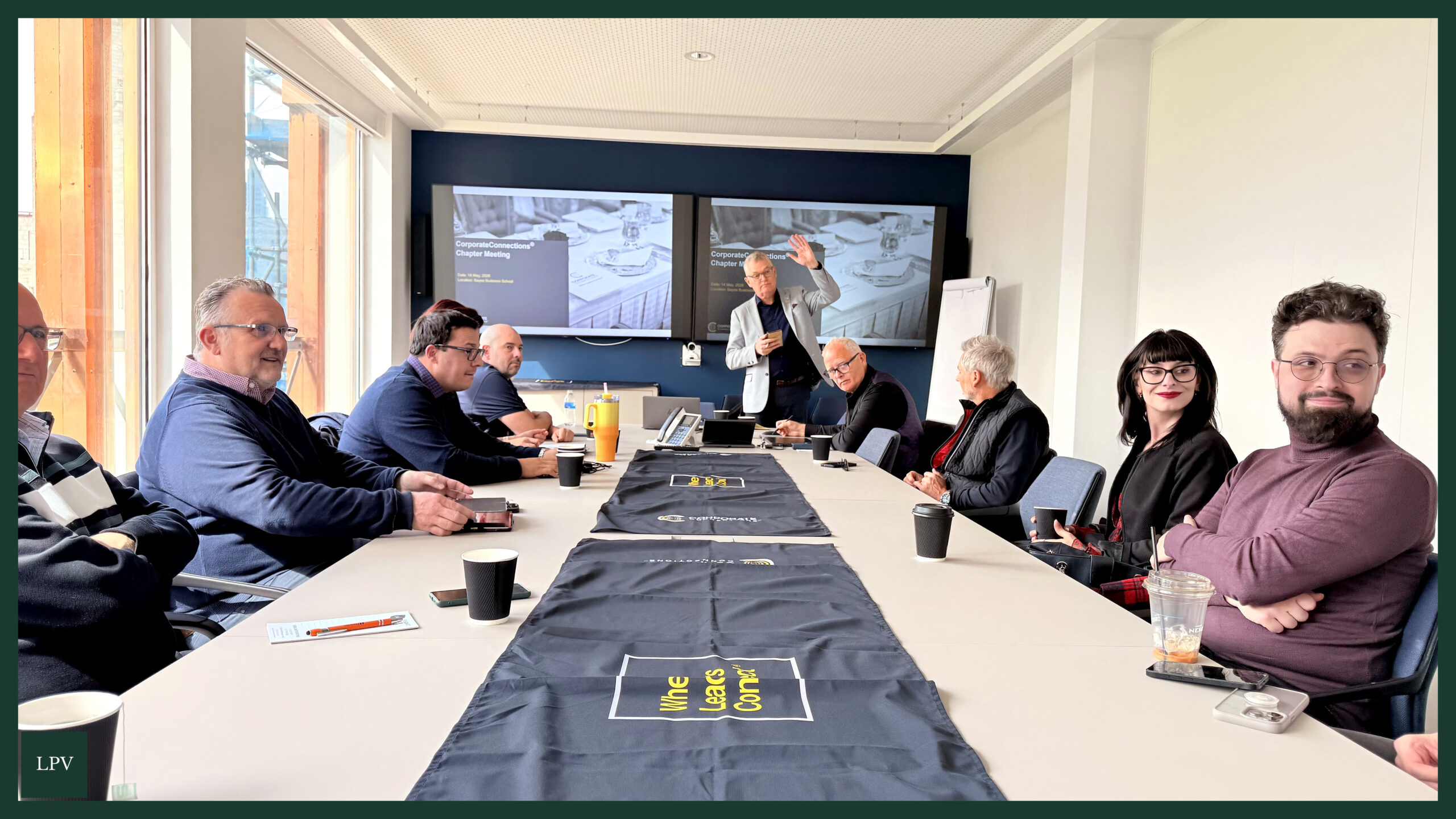
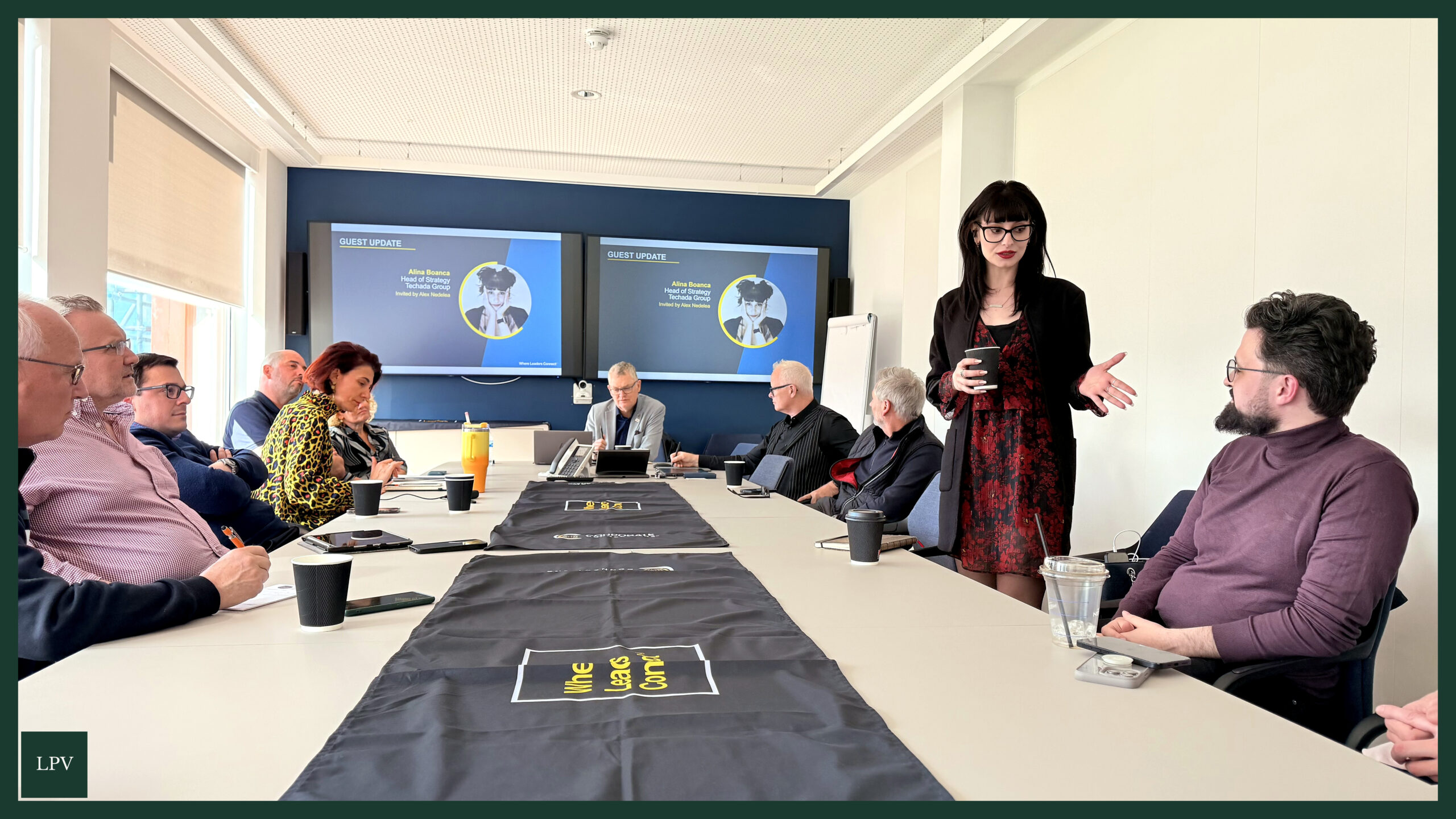
Connecting with professionals like Adam from Sky Media and Alina and Razvan, who are pioneering AI and software development, further showcased the diverse expertise present at the event. These dialogues highlighted the synergy between technology and training, underscoring how collaboration can lead to innovative solutions in the corporate arena.
Understanding the Disconnect
One significant theme that emerged was the disconnect between evolving technology and outdated training methods. Many companies still rely on traditional approaches that fail to engage today’s workforce effectively. The statistics shared during the meeting were alarming: 1 in 4 employees believe their training is relevant to their roles.
Dingle’s presentation pointed out that while the global spend on training is over $400 billion, a substantial portion of that investment is wasted due to ineffective delivery. This stark reality calls for immediate action across industries, pushing organizations to explore new methodologies like Smart-Training AI.
How Does This Work?
Smart-Training AI functions by leveraging data-driven approaches to tailor training experiences according to individual learning styles. By grouping participants based on their preferences, the AI can facilitate a more personalized learning journey.
This adaptive learning environment ensures that training is not a one-size-fits-all model but rather a dynamic process that evolves with the learner’s needs. Dingle’s insights on this technology serve as a wake-up call to organizations that have yet to embrace the future of training.
Who Is This For?
This information is crucial for corporate leaders, HR professionals, and training specialists looking to enhance their learning and development strategies. Businesses of all sizes can benefit from understanding how to integrate AI into their training programs effectively.
What Does It Cost?
While the investment in Smart-Training AI may vary, it is essential to consider the potential return on investment. The 88% improvement in outcomes is indicative of the long-term benefits that can outweigh initial costs.
What Are the Risks?
The primary risk of not adapting to new training methodologies is falling behind competitors who embrace innovative approaches. Companies that continue to rely on outdated practices may struggle with employee engagement and retention, ultimately impacting their bottom line.
Key Takeaways
- In-person networking fosters deeper connections and collaborations.
- Smart-Training AI offers a revolutionary approach to corporate training with proven outcomes.
- The disconnect between traditional training methods and modern technology must be addressed.
- Engaging with industry leaders can yield actionable insights for business growth.
- Investing in innovative training solutions is essential for long-term success.
Implementation Checklist
- Assess current training methods and identify gaps.
- Explore Smart-Training AI solutions to enhance delivery.
- Engage with industry experts to optimize training strategies.
- Invest in continuous professional development for employees.
- Measure training outcomes to ensure effectiveness and adjust as needed.
Common Mistakes
- Relying solely on traditional training methods.
- Neglecting the importance of employee engagement in training.
- Failing to measure training outcomes effectively.
As I reflect on the insights gained from the Corporate Connections London meeting, it’s clear that the future of corporate training lies in embracing innovation and fostering connections. By adopting new methodologies and engaging in meaningful dialogues, we can ensure that our training efforts yield significant returns.
Are you ready to rethink your training strategies? Let’s explore how we can make a difference together.
FAQ: Practical Questions People Ask
What is the fastest way to apply The 88% Improvement Rule: Insights from Corporate Connections London in a real business?
Start with one repeatable workflow, define the outcome, and automate only that part first. For example: I spent the end of my week at the Corporate Connections London meeting, and it was a sharp reminder of why in-person networking is still unmatched.
I am grateful to Darryl for running such a high calibre session and to the five guests who joined me. We had an insightful presentation from Tim Dingle on the future of corporate training.
The data he shared about Smart-Training AI was eye-opening.
How does this approach improve consistency and trust?
It creates a repeatable publishing cadence with clearer messaging and fewer manual delays, which improves audience confidence over time.
Do small teams need expensive tools to implement this?
No. A lightweight stack can work if it covers recording, editing, scheduling, and analytics with a clear process and ownership.
What should be measured first to validate results?
Track output consistency, content completion time, and conversion indicators (qualified leads, booked calls, or sales conversations).
Why is LPV focusing on this strategy?
Because it reduces execution friction while improving visibility and lead quality. The goal is practical growth, not vanity metrics.