
Smoke, Power Loss and Hidden Engine Deposits: What I Saw at CheapTuning
Smoke and poor performance can look like sudden problems, but the damage often builds long before a driver notices the warning signs.
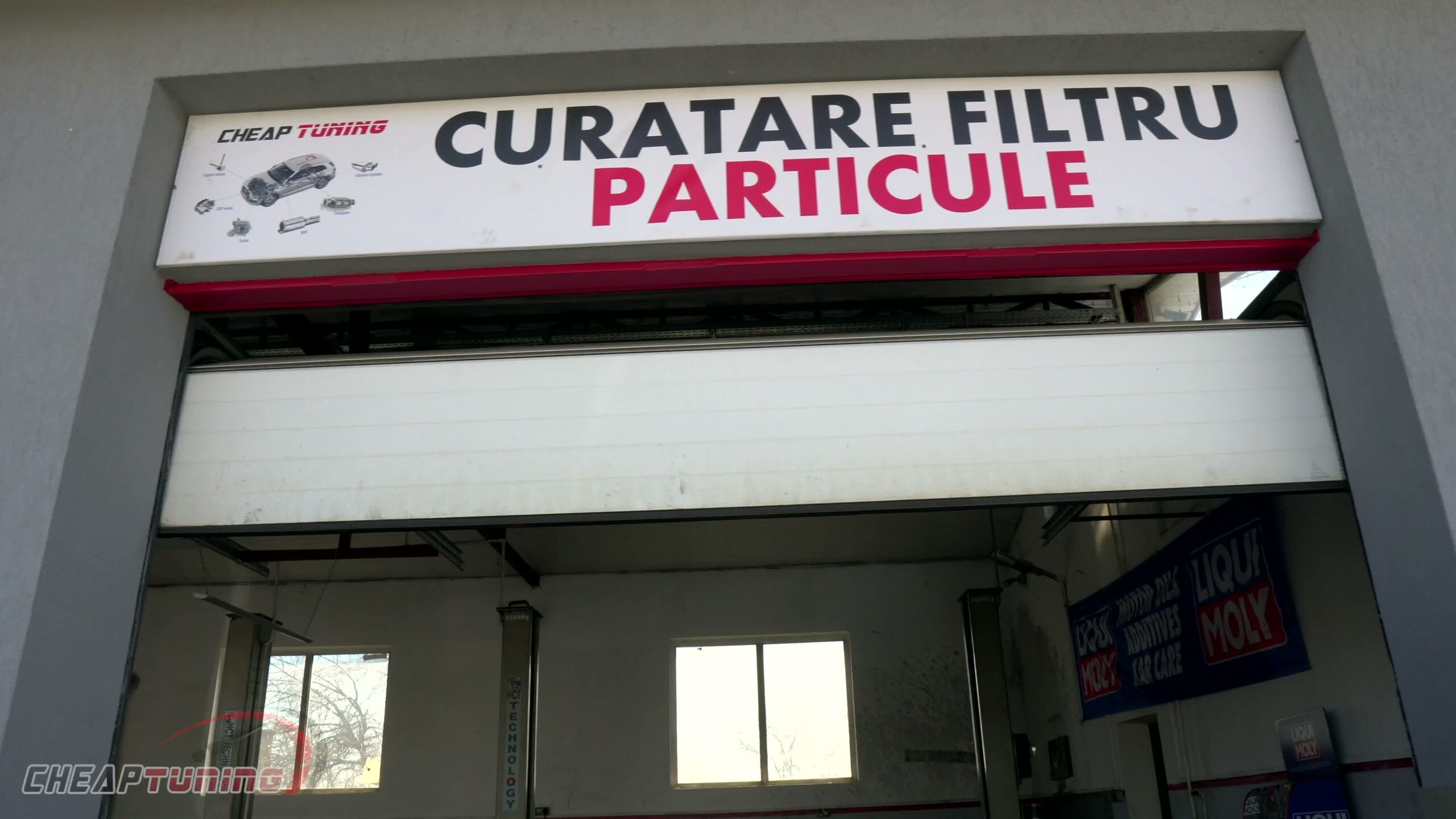
At the CheapTuning workshop, a heavily contaminated component made that risk visible. The practical lesson was simple: find the cause inside the engine system before treating the symptom on the surface.
TL;DR
- Smoke and reduced performance may point to deposits building up within a diesel engine system.
- Proper diagnosis matters before cleaning or mechanical work begins.
- Injector, DPF and engine cleaning need suitable equipment and the right process.
- Wheel alignment, servicing and engine care can all contribute to reliable vehicle maintenance.
- Diesel owners and fleet operators should act early rather than wait for an urgent failure.
What Is This? (Short Answer)
Diesel-system cleaning and maintenance is the process of inspecting engine-related components, identifying contamination or faults, and using the appropriate servicing method to address the underlying issue.
This is not guesswork or a single quick fix. It can involve diagnosis, cleaning equipment, diesel-system products and hands-on work under the bonnet.
How does this work?
The work starts by looking for the reason behind the symptom, such as smoke or a loss of power.
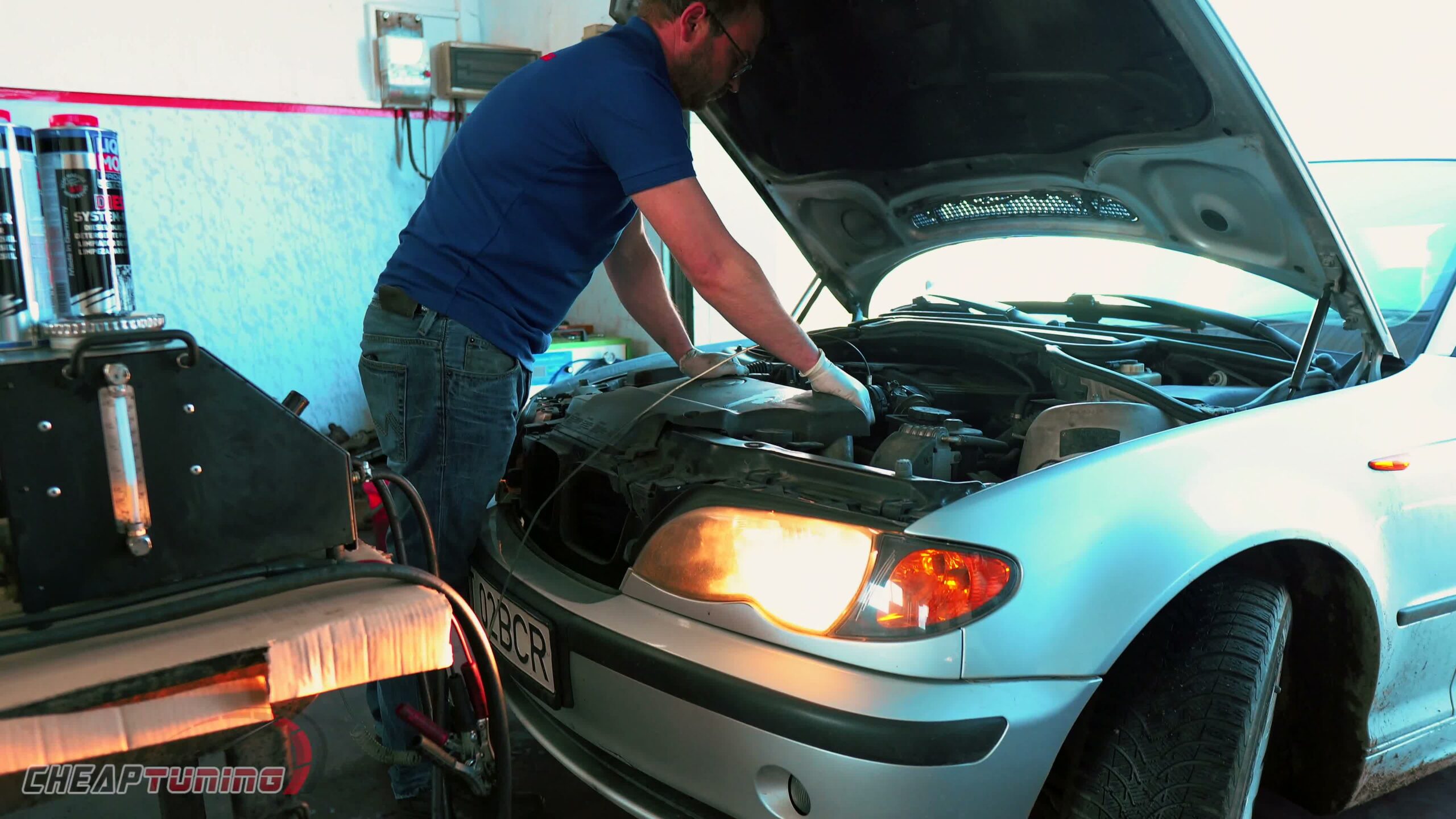
At CheapTuning, the process moved from diagnosis to purpose-built cleaning equipment, then into practical servicing. Seeing the components up close showed why the visible problem is not always where the real issue begins.
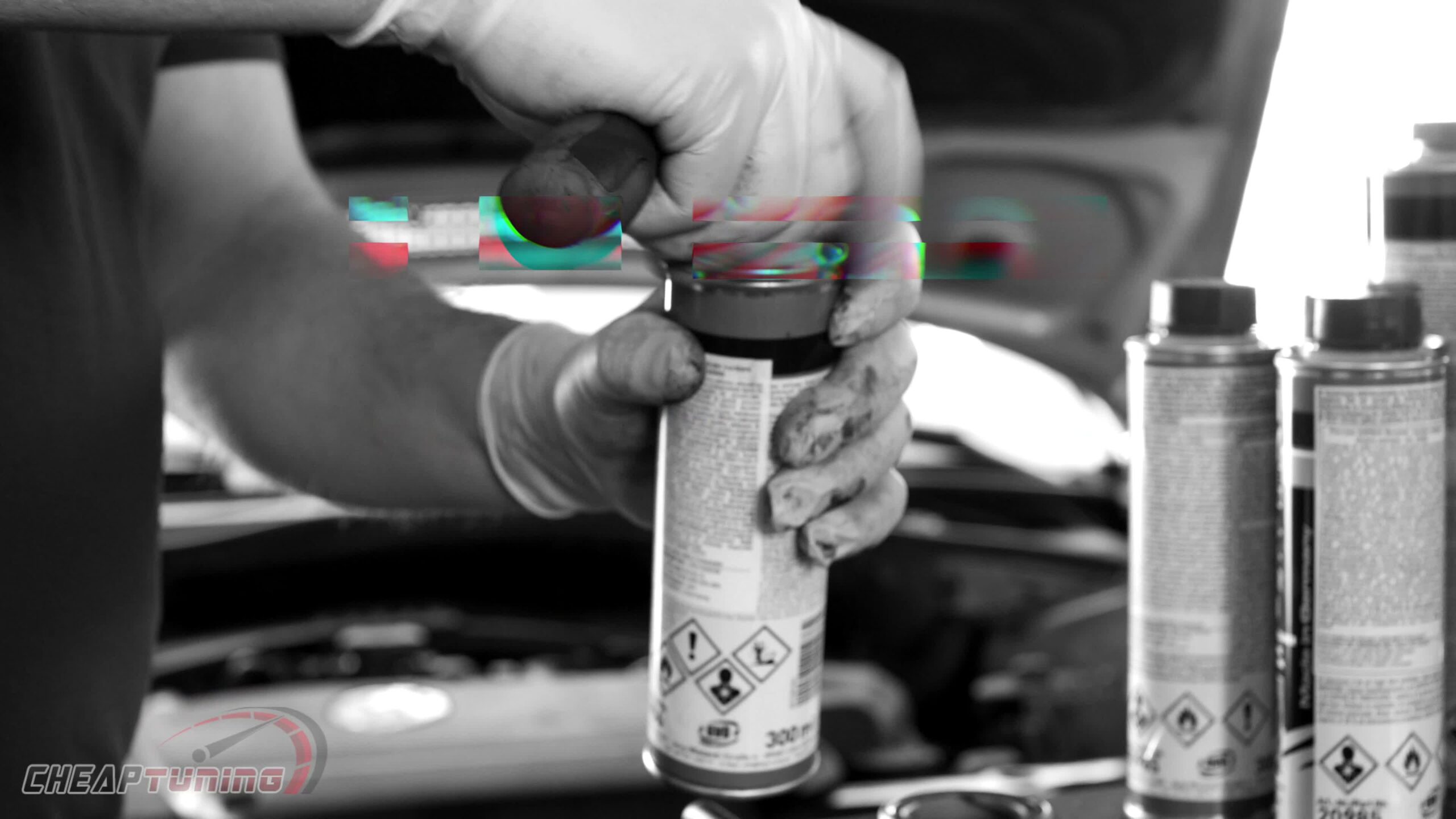
CleanTronic equipment and diesel-system products were part of the work shown. Their role highlighted the need for a proper process when deposits have been allowed to build up around injectors, DPF-related systems or other engine components.
Key Takeaways
- Do not ignore early signs. Smoke and poor performance may be signals that contamination is already affecting the engine system.
- Ask what is causing the problem. A symptom is not a diagnosis, so inspection should come before assumptions.
- Use the right equipment. Injector, DPF and engine cleaning require suitable tools and products, not a rushed workaround.
- Think beyond one repair. Reliable maintenance can include engine work, mechanical servicing and wheel alignment.
- Act before it becomes urgent. For diesel owners and fleet operators, an early inspection may be more manageable than waiting for power loss or persistent smoke.
Who is this for?
This is for diesel vehicle owners and fleet operators who want to understand what may sit behind smoke, poor performance or concerns about engine condition.
It is also useful for drivers who want a clearer view of what a specialist inspection involves. The value is in seeing the detail behind the service, rather than assuming every issue has one simple cause.
What does it cost?
The workshop visit did not provide pricing, so the cost of diagnosis, cleaning or mechanical work should be discussed directly with the specialist handling the vehicle.
The important question is not only the price of one service. Ask what has been inspected, what is causing the symptom, and which work is actually recommended for that vehicle.
What are the risks?
The main risk is waiting until smoke or power loss becomes severe before investigating it.
Deposits and contamination can build over time, and a manageable maintenance issue can become an urgent concern when warning signs are left unchecked. There is also a risk in treating a symptom without understanding its cause.
A Practical Example From the Workshop
One close-up of a heavily contaminated component made the point more clearly than a general explanation could.
It connected the driver-facing symptoms of smoke and poor performance with something hidden inside the engine system. The next steps were not a guess: diagnosis came first, followed by proper cleaning equipment and hands-on servicing under the bonnet.
Pay attention early, ask what is causing the symptom, and trust specialists to inspect the system properly.
Implementation Checklist
- Watch for smoke, poor performance or other changes in how the vehicle drives.
- Book an inspection before the issue becomes urgent.
- Ask the specialist to explain the likely cause, not only the visible symptom.
- Confirm whether injector, DPF or engine cleaning is relevant to the diagnosis.
- Ask what equipment and process will be used for the recommended work.
- Consider related maintenance needs, including mechanical work and wheel alignment where appropriate.
- For fleets, address concerns early so a vehicle issue does not become a larger operational problem.
Common Mistakes to Avoid
- Waiting for major power loss before investigating smoke or poor performance.
- Assuming one symptom automatically has one simple cause.
- Choosing a cleaning approach without proper diagnosis.
- Treating engine maintenance as completely separate from wider mechanical care.
- Overlooking the value of specialist inspection and suitable equipment.
Why Proper Inspection Matters
The most useful part of the visit was seeing that the work was practical and methodical. The equipment, contaminated components and servicing under the bonnet all reinforced the same point: maintenance decisions should be based on what the system actually needs.
CheapTuning showed the care involved behind diesel-system cleaning and mechanical work. For drivers, the takeaway is to notice issues early and get the system inspected properly.
FAQ: Practical Questions People Ask
What is the fastest way to apply Smoke, Power Loss and Hidden Engine Deposits: What I Saw at CheapTuning in a real business?
Start with one repeatable workflow, define the outcome, and automate only that part first. For example: What stayed with me was how much damage can build up before a driver sees the warning signs.
At the CheapTuning workshop, the close-up of a heavily contaminated component made the point clearly: smoke and poor performance often have a cause hiding inside the engine system. I watched the work move from diagnosis to proper cleaning equipment, then to hands-on servicing under the bonnet.
How does this approach improve consistency and trust?
It creates a repeatable publishing cadence with clearer messaging and fewer manual delays, which improves audience confidence over time.
Do small teams need expensive tools to implement this?
No. A lightweight stack can work if it covers recording, editing, scheduling, and analytics with a clear process and ownership.
What should be measured first to validate results?
Track output consistency, content completion time, and conversion indicators (qualified leads, booked calls, or sales conversations).
Why is LPV Agency focusing on this strategy?
Because it reduces execution friction while improving visibility and lead quality. The goal is practical growth, not vanity metrics.