
Mastering Time & Productivity: Insights from Steven Watson at NXTLVL
TL;DR
- Simplicity is key to productivity—focus on what truly matters.
- Utilize e-calendars for effective time management.
- Streamline meetings by concentrating on outcomes, agenda, and duration.
- Implement the Pomodoro Technique for short, intense productivity sprints.
- Prioritize ruthlessly for more strategic growth opportunities.
What Is This? (Short Answer)
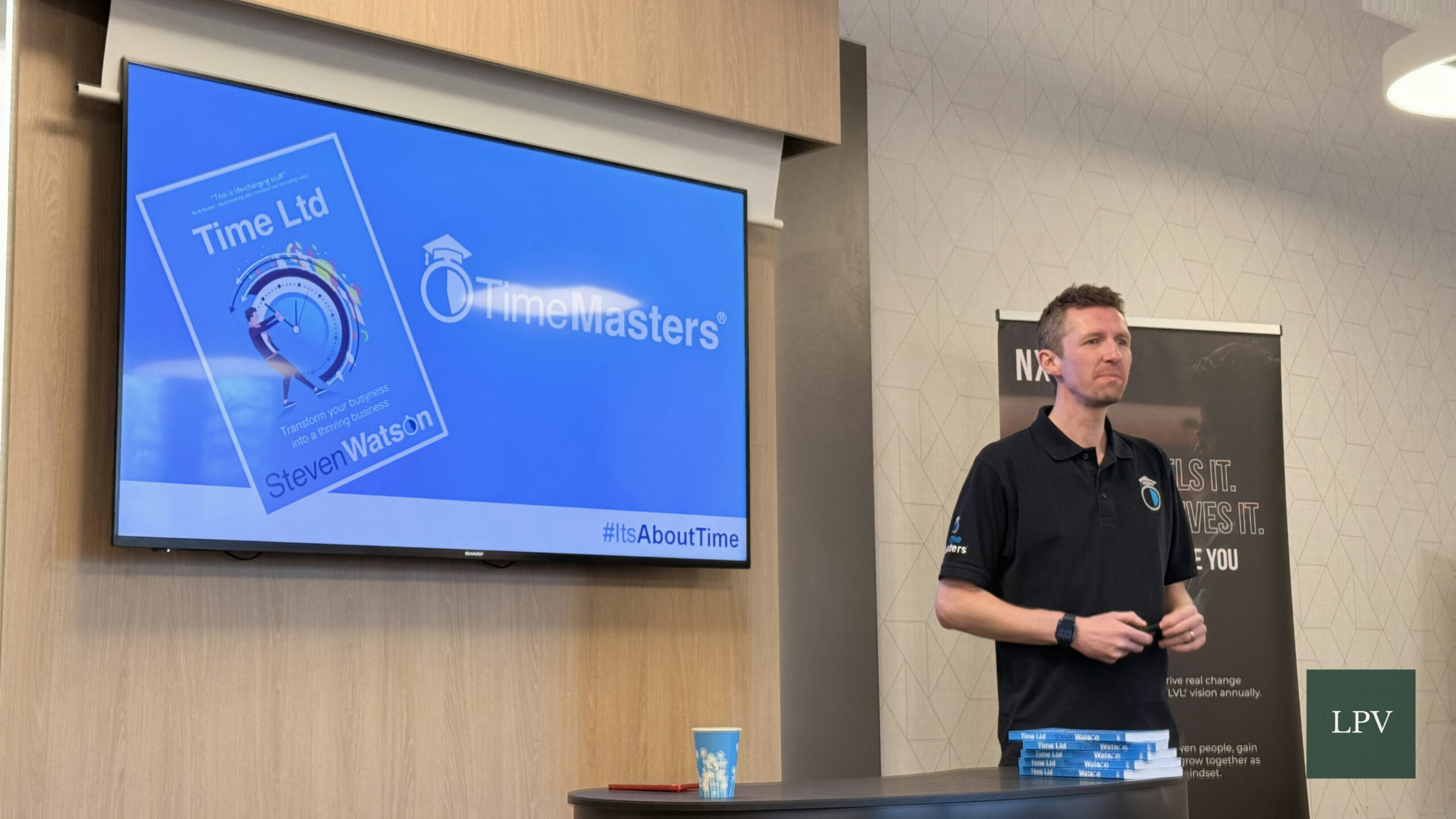
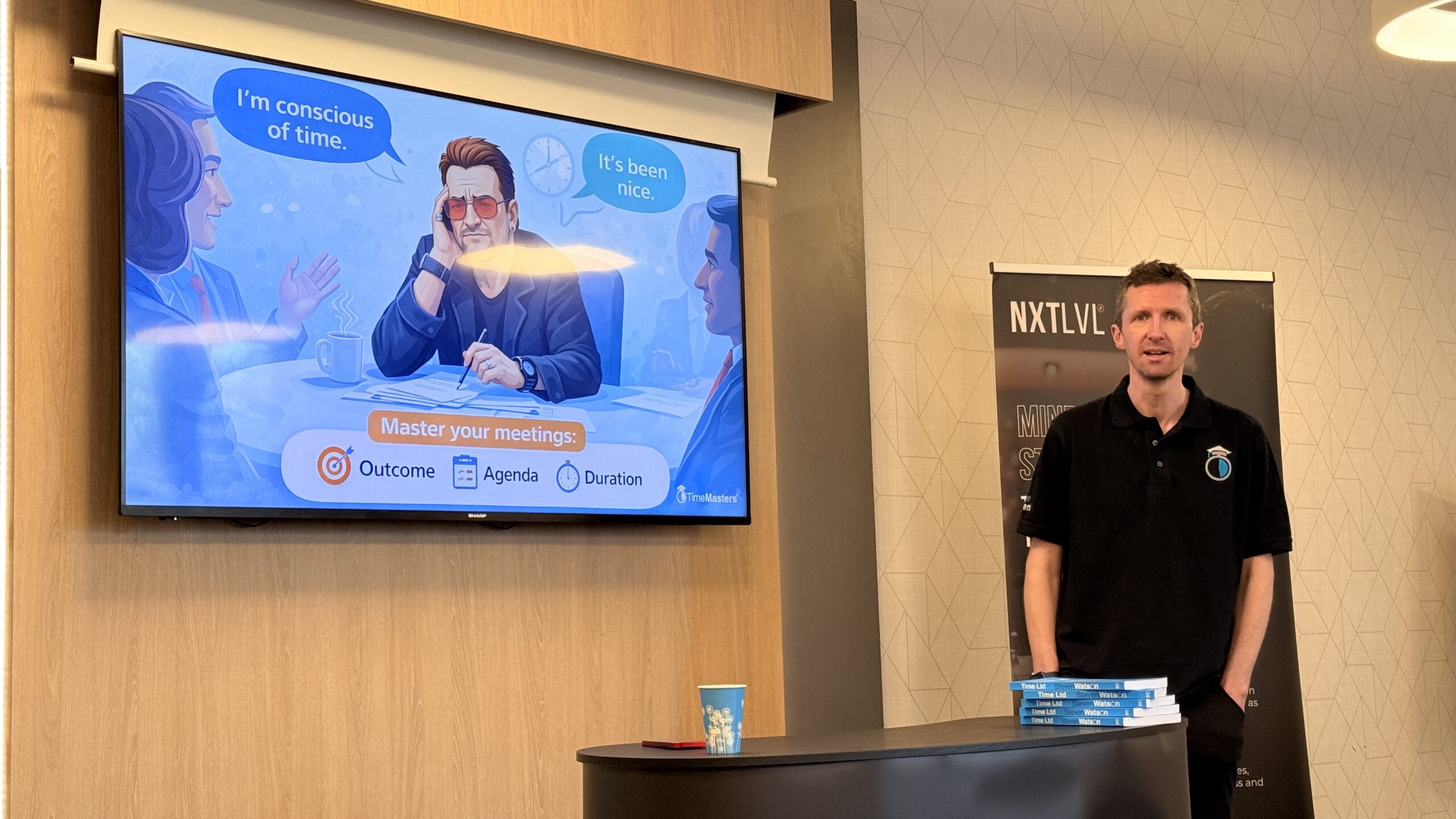
At the NXTLVL event, Steven Watson, author of “Time LTD,” shared his insights on mastering time and productivity, emphasizing that simplicity is the quickest path to achieving results.
The NXTLVL event was a hub of learning and collaboration, where industry professionals gathered to gain insights from thought leaders. Steven Watson’s presentation stood out as he shared invaluable strategies for managing time effectively and boosting productivity.
Focus on Simplicity
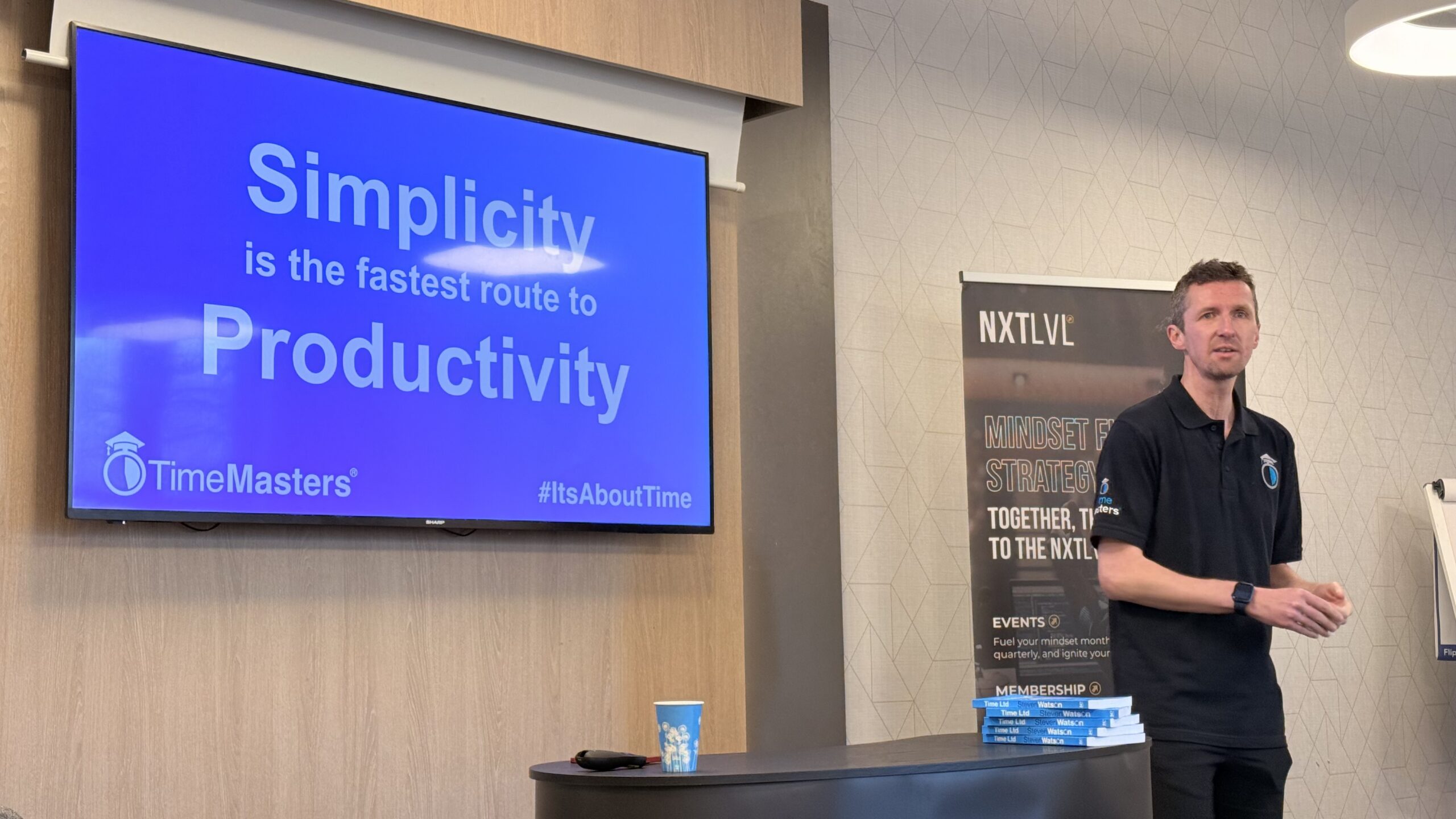
Steven Watson highlighted the importance of simplicity in achieving productivity. He asserts that it’s not about doing more but rather about doing what matters most. By stripping away distractions, individuals can focus on their core objectives.
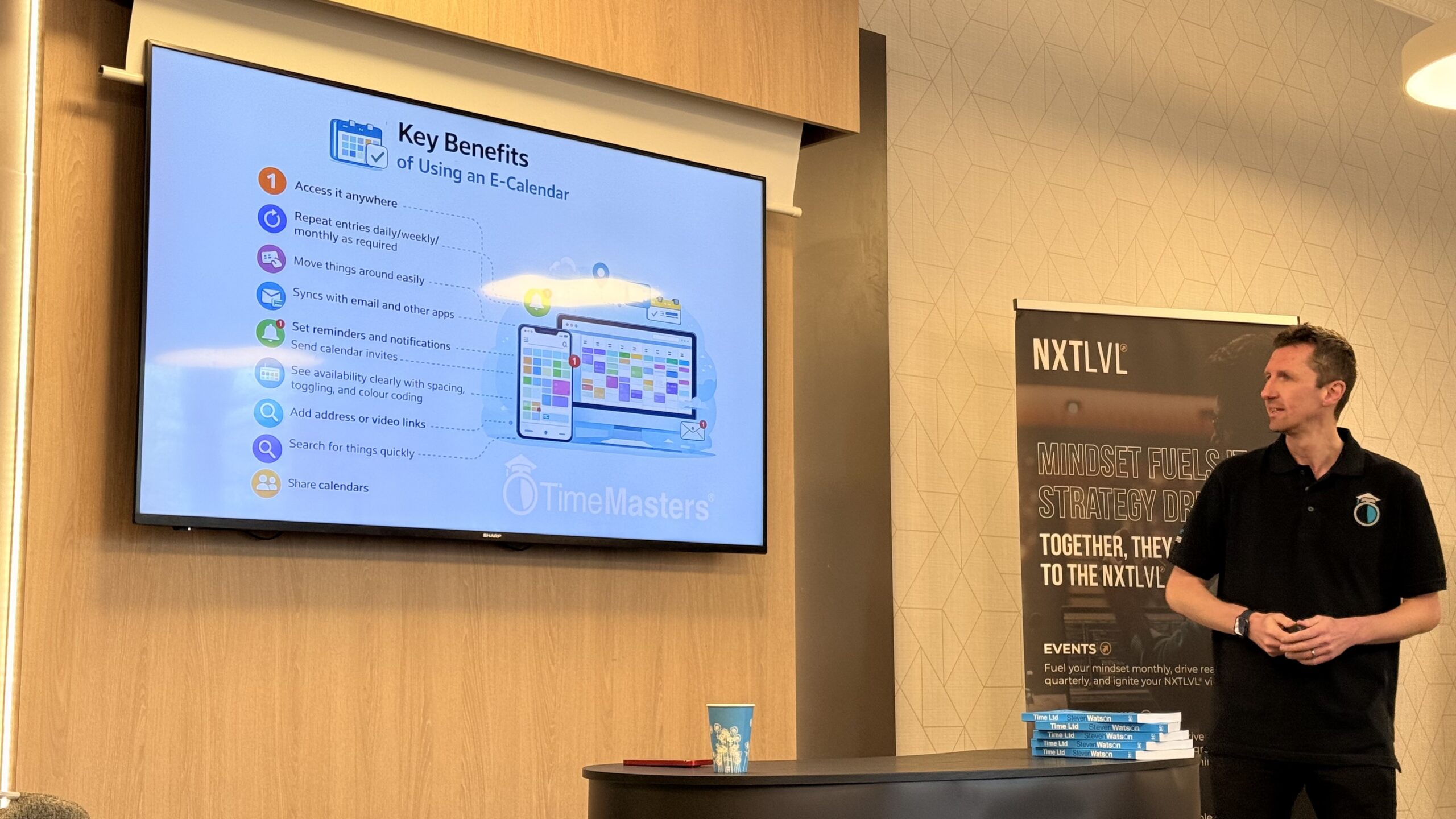
Effective Time Management with E-Calendars
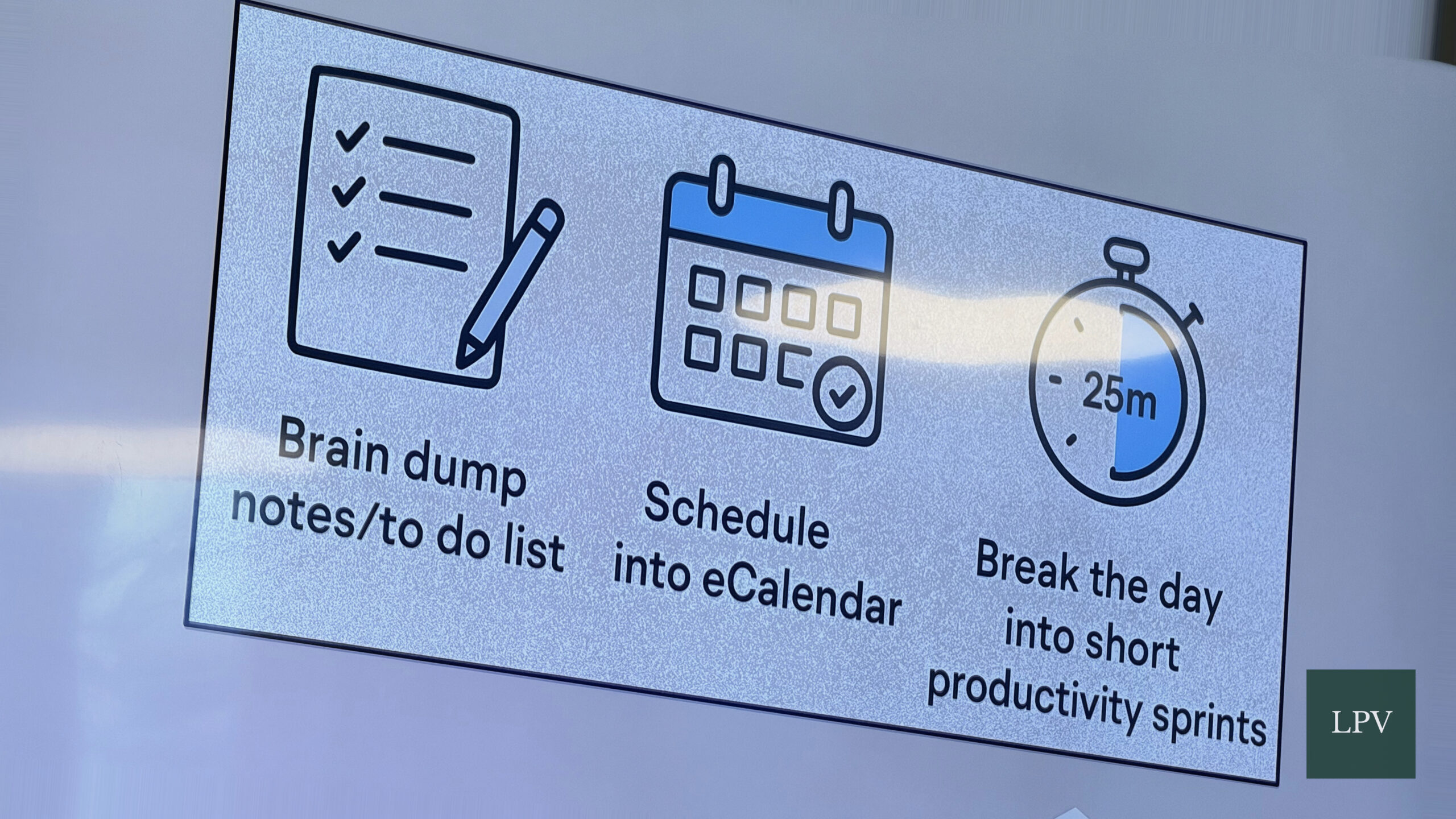
One of Watson’s key strategies is the use of e-calendars. By integrating all tasks and appointments into a digital calendar, professionals can better visualize their time commitments, leading to smarter scheduling and task management. This approach minimizes the risk of overcommitting and ensures that time is allocated efficiently.
Mastering Meetings
Meetings are a significant drain on time if not handled correctly. Watson emphasized focusing on three critical components: outcomes, agenda, and duration. By defining clear objectives before a meeting, participants can maximize productivity and minimize time wasted on unproductive discussions.

The Pomodoro Technique: Sprints of Productivity
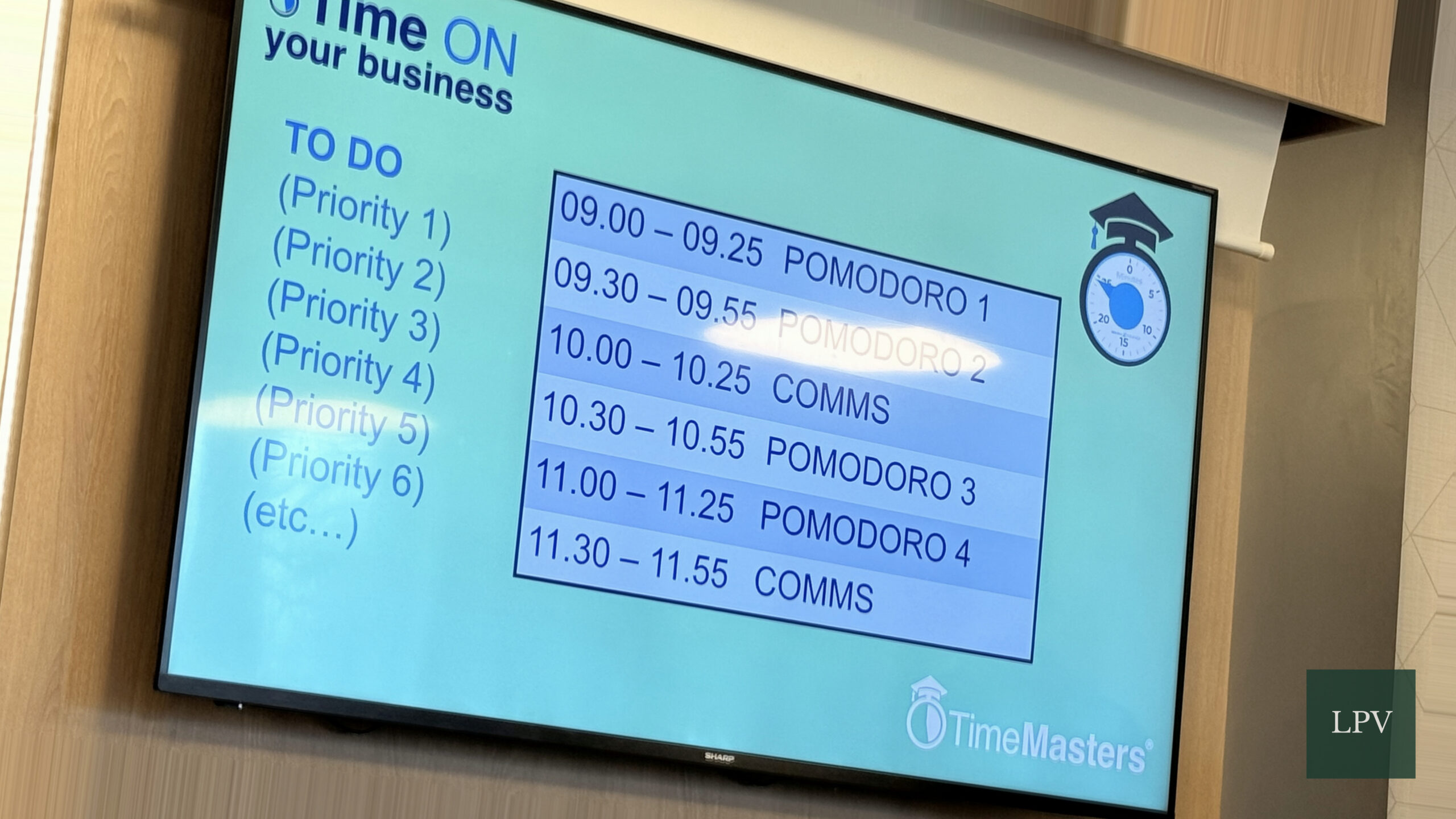
Watson introduced the Pomodoro Technique, which encourages breaking the workday into 25-minute focused sprints followed by short breaks. This method not only boosts concentration but also combats fatigue. By structuring the day in this way, individuals can maintain high levels of productivity without burning out.
Ruthless Prioritization
One pivotal takeaway from Watson’s talk was the necessity of prioritizing tasks ruthlessly. By dumping all tasks into an e-calendar and categorizing them based on urgency and importance, individuals can structure their day around focused work. This strategy shifts the focus from merely completing tasks to achieving meaningful outcomes.
Outcome Over Activity
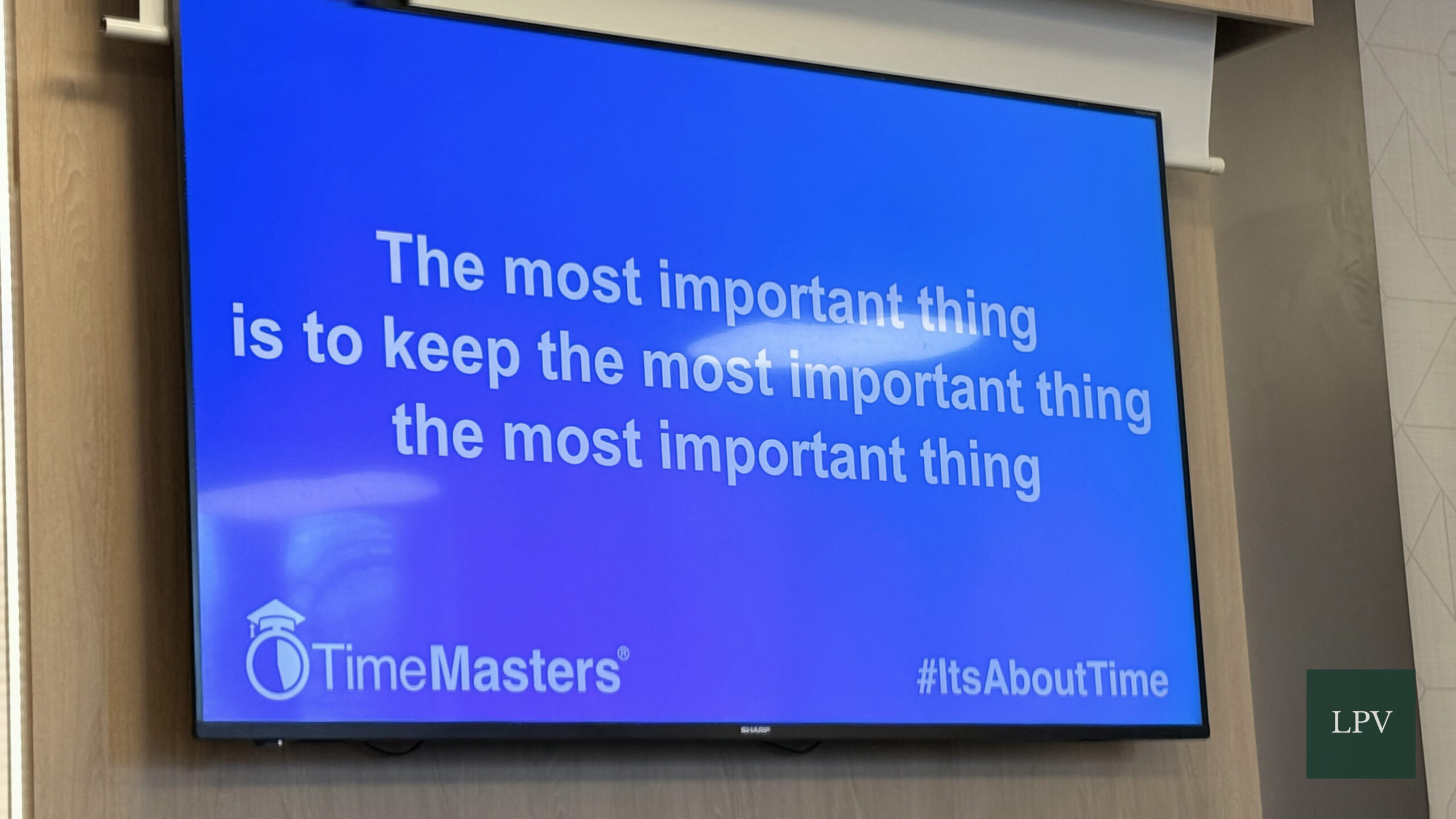
Watson’s philosophy revolves around keeping the most important tasks at the forefront. He encouraged attendees to adopt an outcome-oriented mindset, ensuring that every action taken aligns with strategic growth objectives. This approach transforms the way businesses operate, allowing for greater efficiency and effectiveness.
Who Is This For?
These insights are invaluable for business leaders, entrepreneurs, and anyone looking to enhance their time management skills. Whether you’re juggling multiple projects or aiming to streamline operations, Watson’s strategies offer practical solutions to common productivity challenges.
What Does It Cost?
Implementing these strategies involves minimal financial investment, primarily requiring a commitment to change habits and utilize available tools like e-calendars and productivity methods.
What Are the Risks?
The main risk associated with adopting new productivity strategies is the potential for initial resistance to change. However, the long-term benefits of increased efficiency and reduced stress far outweigh these temporary challenges.
Key Takeaways
- Simplicity is the fastest route to productivity.
- Utilize e-calendars for better time management.
- Focus meetings on outcomes, agendas, and durations.
- Implement the Pomodoro Technique for focused work sessions.
- Ruthlessly prioritize tasks to maximize strategic growth.
Implementation Checklist
- Integrate all tasks into an e-calendar.
- Define clear outcomes before meetings.
- Start using the Pomodoro Technique to structure workdays.
- Review and prioritize tasks weekly.
- Commit to a simplicity-focused mindset.
Common Mistakes
- Overloading the calendar with non-essential tasks.
- Failing to define meeting objectives.
- Not taking breaks during work sprints.
- Neglecting to prioritize tasks effectively.
In summary, Steven Watson’s insights at the NXTLVL event provide a roadmap for anyone looking to reclaim their time and enhance productivity. By embracing simplicity, utilizing effective tools, and prioritizing tasks, you can transform your business operations and focus on what truly matters. Ready to take control of your time?
For more insights and strategies, stay tuned for upcoming events and workshops from LPV.
FAQ: Practical Questions People Ask
What is the fastest way to apply Mastering Time & Productivity: Insights from Steven Watson at NXTLVL in a real business?
Start with one repeatable workflow, define the outcome, and automate only that part first. For example: Key takeaway: Simplicity is the fastest route to productivity.
It’s not just about doing more, it’s about doing what matters most. Watson emphasized practical strategies like: – Using e-calendars for better time management.
– Mastering meetings by focusing on outcome, agenda, and duration. – Breaking the day into short productivity sprints using the Pomodoro Technique.
How does this approach improve consistency and trust?
It creates a repeatable publishing cadence with clearer messaging and fewer manual delays, which improves audience confidence over time.
Do small teams need expensive tools to implement this?
No. A lightweight stack can work if it covers recording, editing, scheduling, and analytics with a clear process and ownership.
What should be measured first to validate results?
Track output consistency, content completion time, and conversion indicators (qualified leads, booked calls, or sales conversations).
Why is LPV focusing on this strategy?
Because it reduces execution friction while improving visibility and lead quality. The goal is practical growth, not vanity metrics.