
Live Streaming Demands Precision: Lessons from Behind the Camera
TL;DR
- Live streaming relies on clear communication, reliable connections and a prepared team.
- Standard operating procedures (SOPs) make execution predictable, even when colleagues are hundreds of miles apart.
- Separate preview and live broadcast screens help production teams choose the next shot before viewers see it.
- Recovery plans matter when weather or technical conditions change.
- The same commitment to preparation and consistency supports effective video marketing for UK businesses.
What Is This? (Short Answer)
Live streaming is the production and delivery of video as an event happens. It demands a team that can make quick decisions while following a reliable plan.
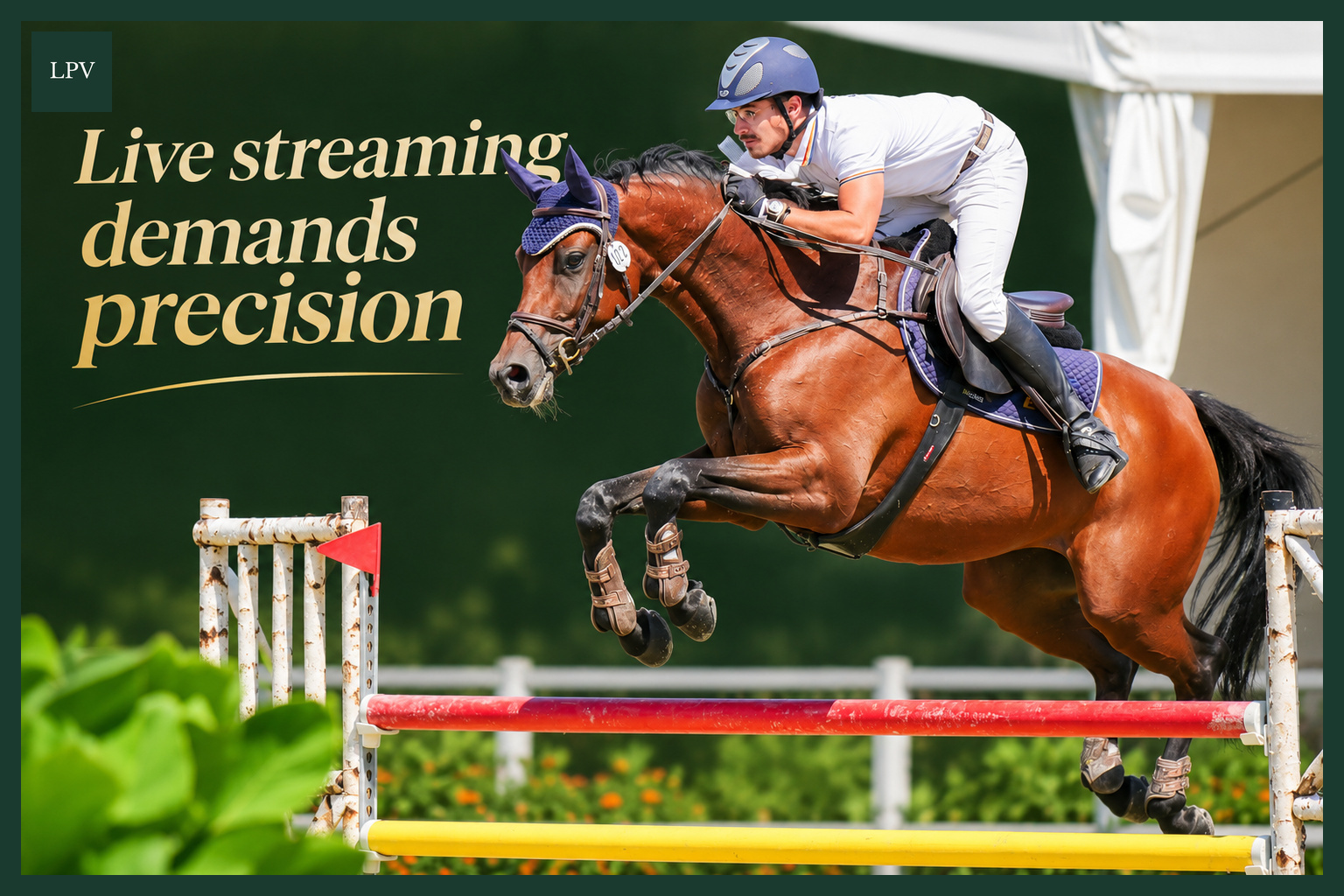
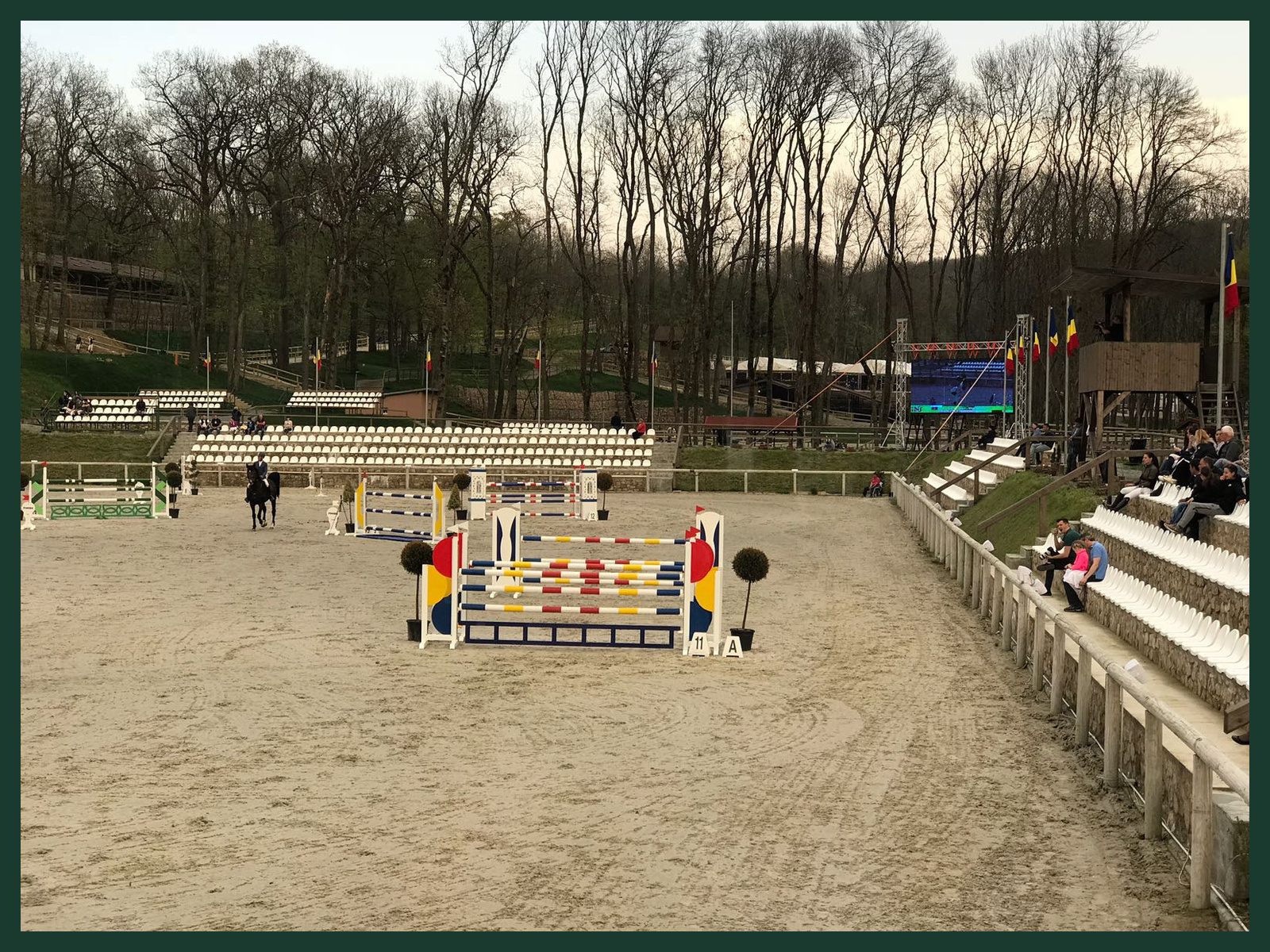
At Herneacova Jumping, a horse can clear the rails in seconds. Behind the camera, the production team is already deciding what viewers will see next.
The Moment You Cannot Repeat
Show jumping gives a live production team very little room to hesitate. The rider approaches, the horse takes off, and the moment is gone before anyone can ask for another take.
That is part of the excitement for Alex, founder of LPV Agency. Every camera angle and cue contributes to how viewers experience an event unfolding in real time.
Preparation Starts with the Camera
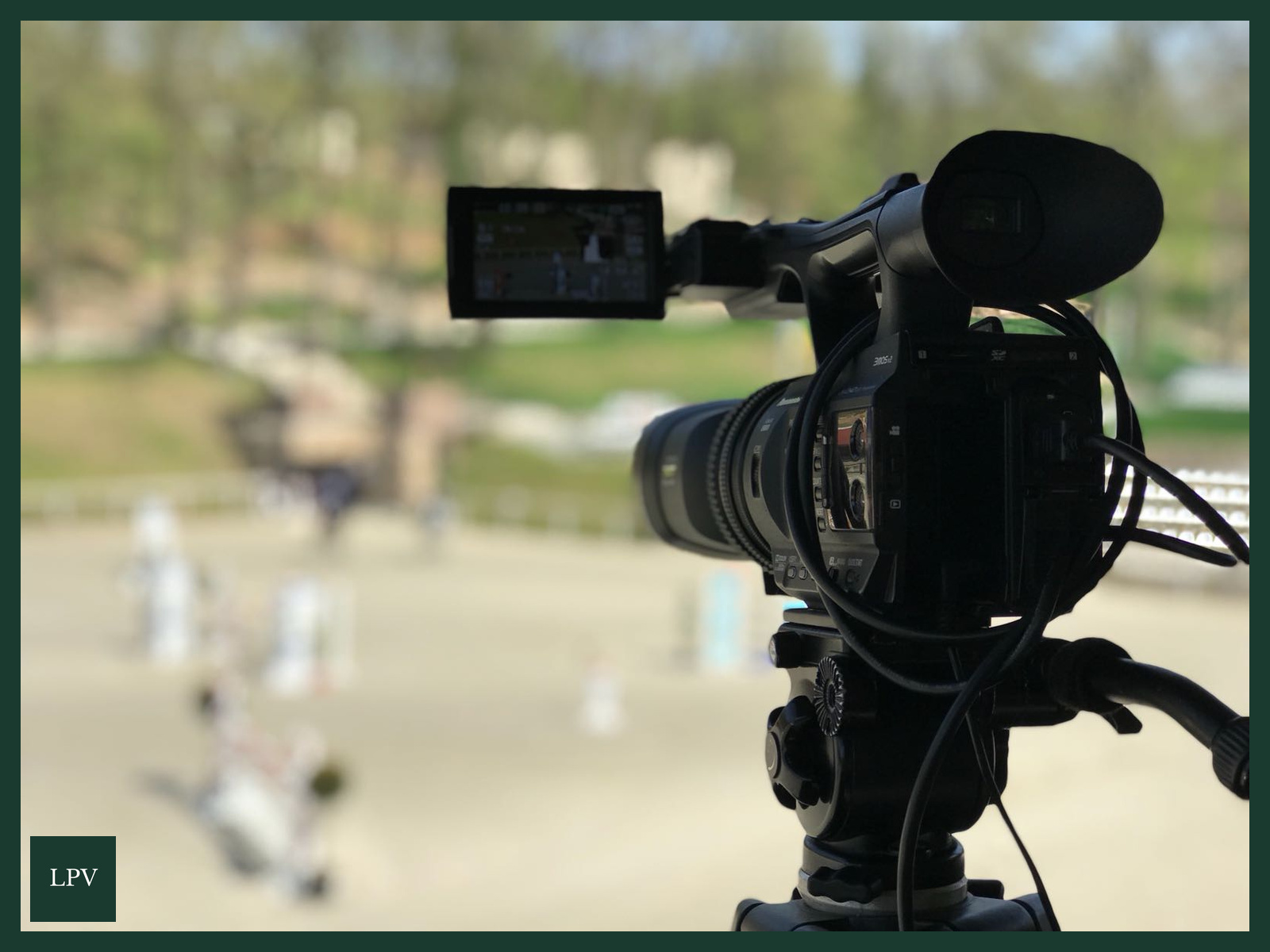
A professional camera pointed at the arena is only one part of the setup. Its position, cables, connections and communication link all need attention before the competition begins.
Good preparation gives the team more space to concentrate on the action. When a rider enters the course, the camera operator should be ready to follow them.
The People Behind the Broadcast
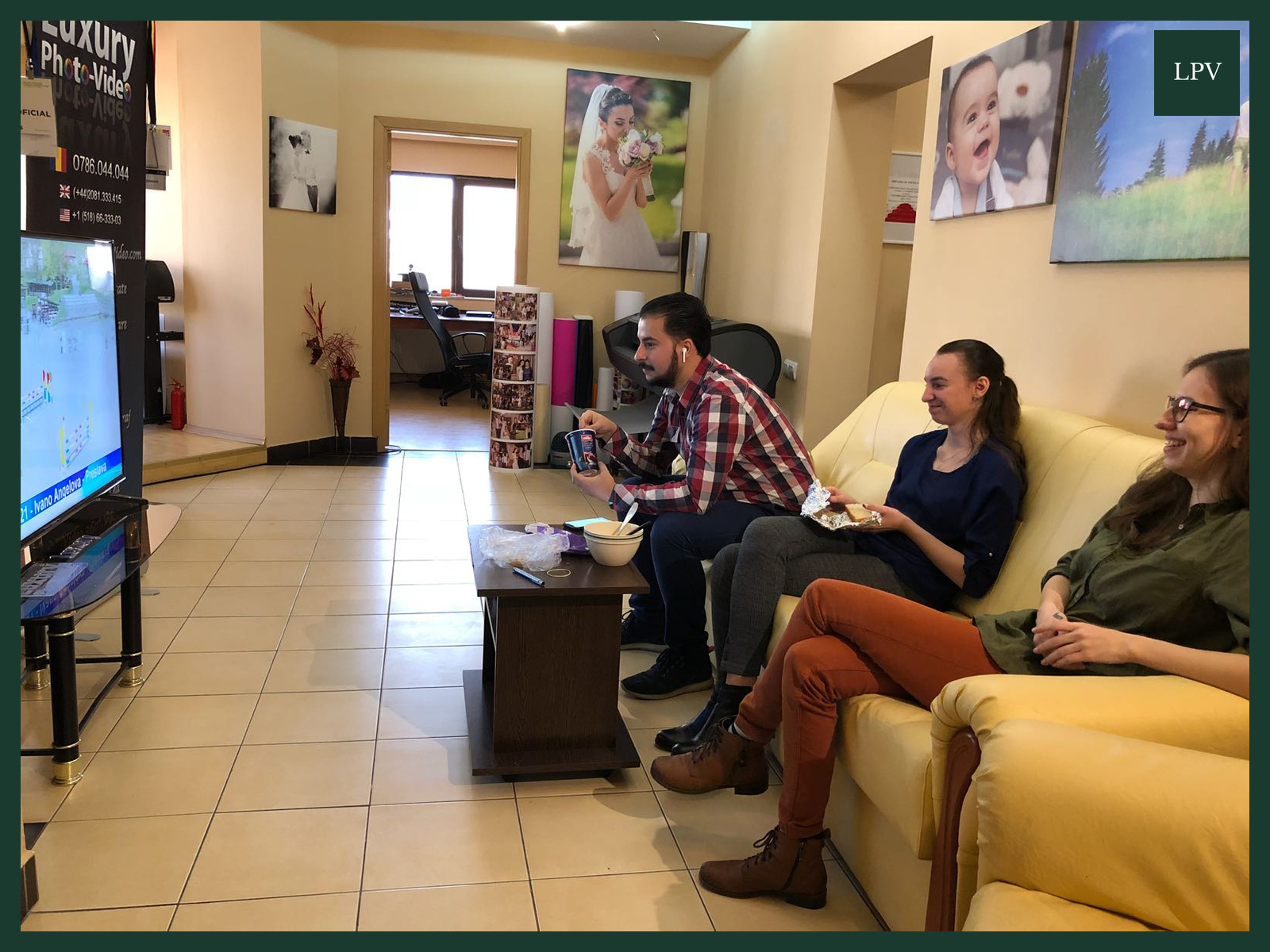
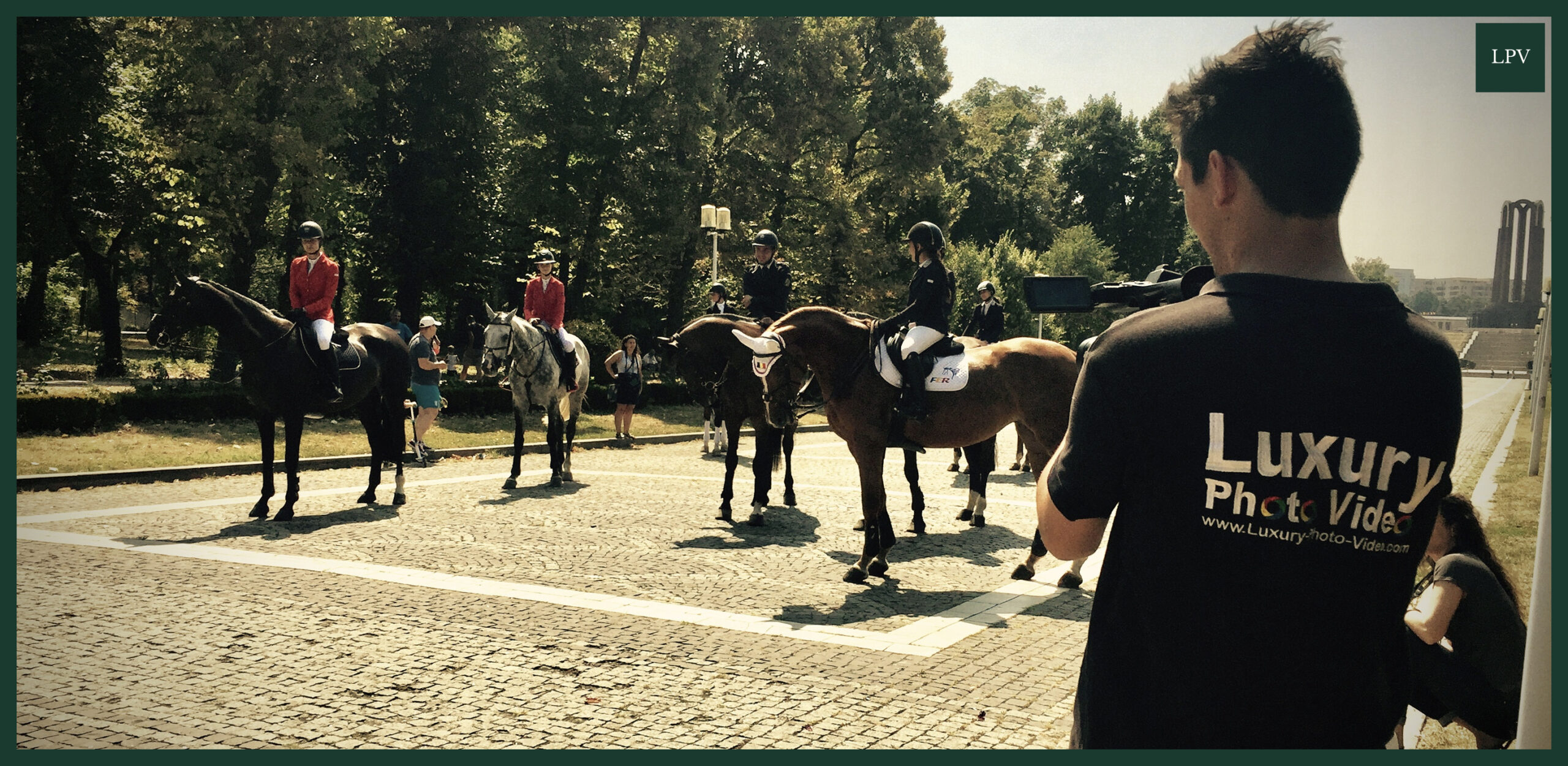
Live production depends on people who know their responsibilities and can respond when plans change. A calm-looking team may still be paying close attention to the stream and the decisions ahead.
Alex has worked on internet streams and television since he was 16. Across different events, teamwork has remained as important as the equipment.
How Does a Live Production Work?
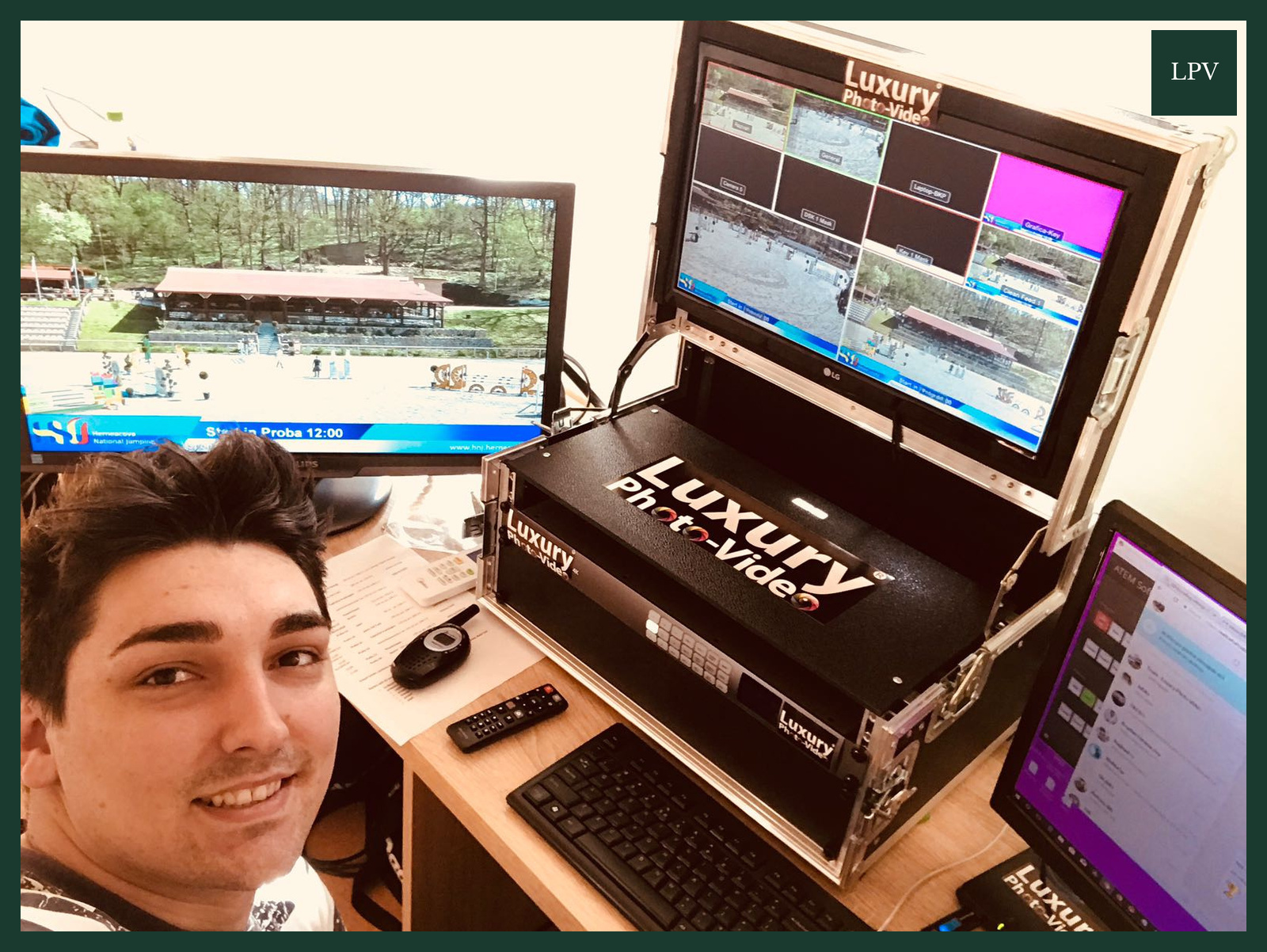
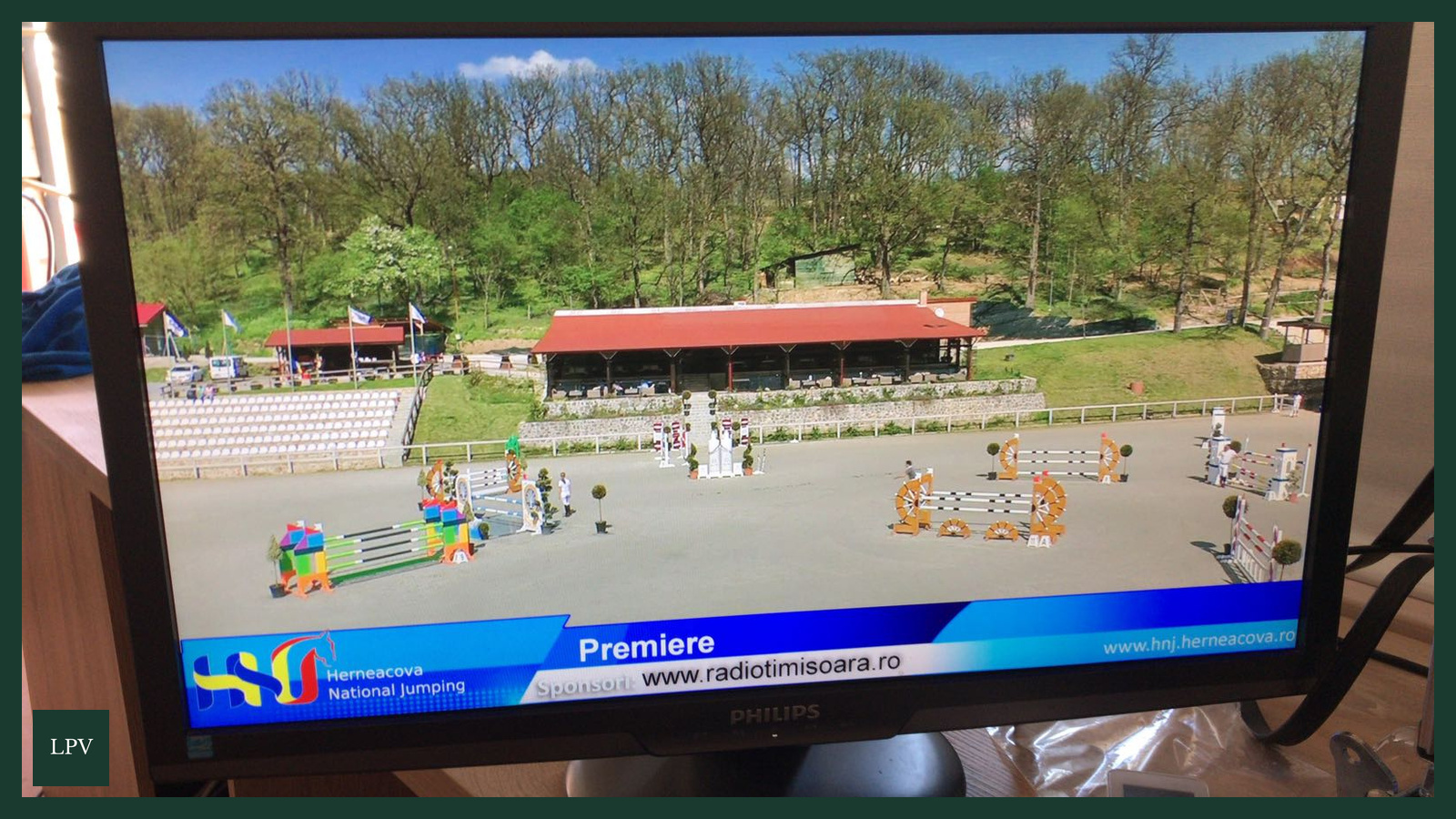
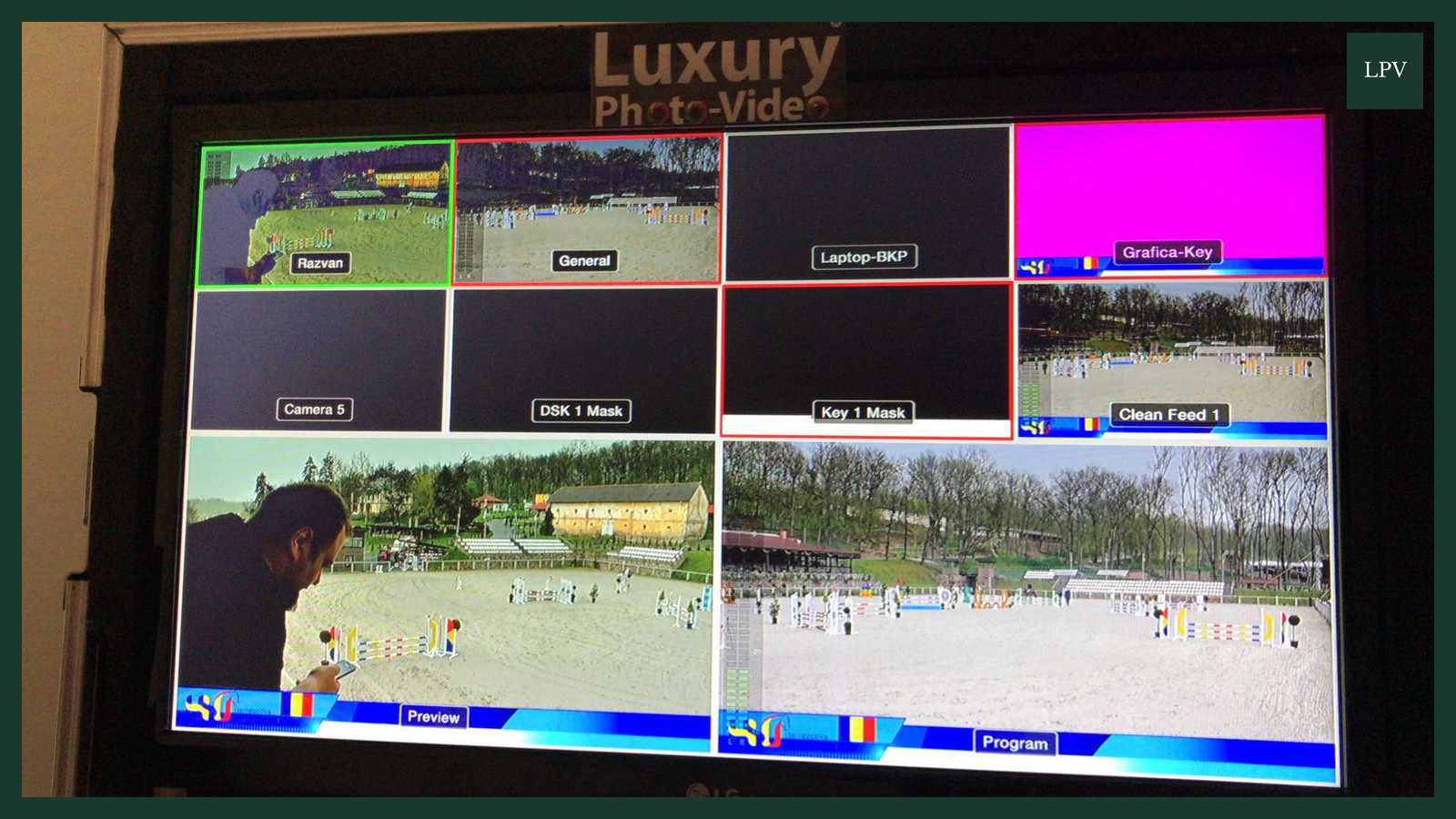
At Herneacova Jumping, the production screen brings camera feeds and graphics together. Separate views show the next shot in preview and the picture currently being broadcast live.
That separation gives the team a chance to select what comes next before putting it on air. It is a practical way to manage decisions when the event itself will not pause.
Why SOPs Matter Across 800 Miles
During one production, Alex was in one part of the country while his team was 800 miles away, live streaming across Europe. Distance made shared processes especially valuable.
Standard operating procedures can feel tedious, but they give everyone a common way to prepare, communicate and respond. As Alex puts it, “SOPs make execution predictable.”
Who Is This Experience For?
Alex’s broadcast work has covered show jumping, brain surgery, drifting and 24-hour hackathons. The subjects differ, but each puts a premium on preparation and clear communication.
That experience also informs LPV Agency’s work in video marketing for UK businesses. Professionals who need to build authority benefit from a consistent process for turning their knowledge into content.
The Pressure of a Live Audience
Some of the broadcasts Alex worked on reached millions of viewers across 29 countries. Every button press carried a rush because people were watching in real time.
That pressure makes the small checks matter: confirm the right feed, understand the next cue and keep the team connected. The audience may never notice those decisions when everything goes smoothly.
What Are the Risks When Conditions Change?
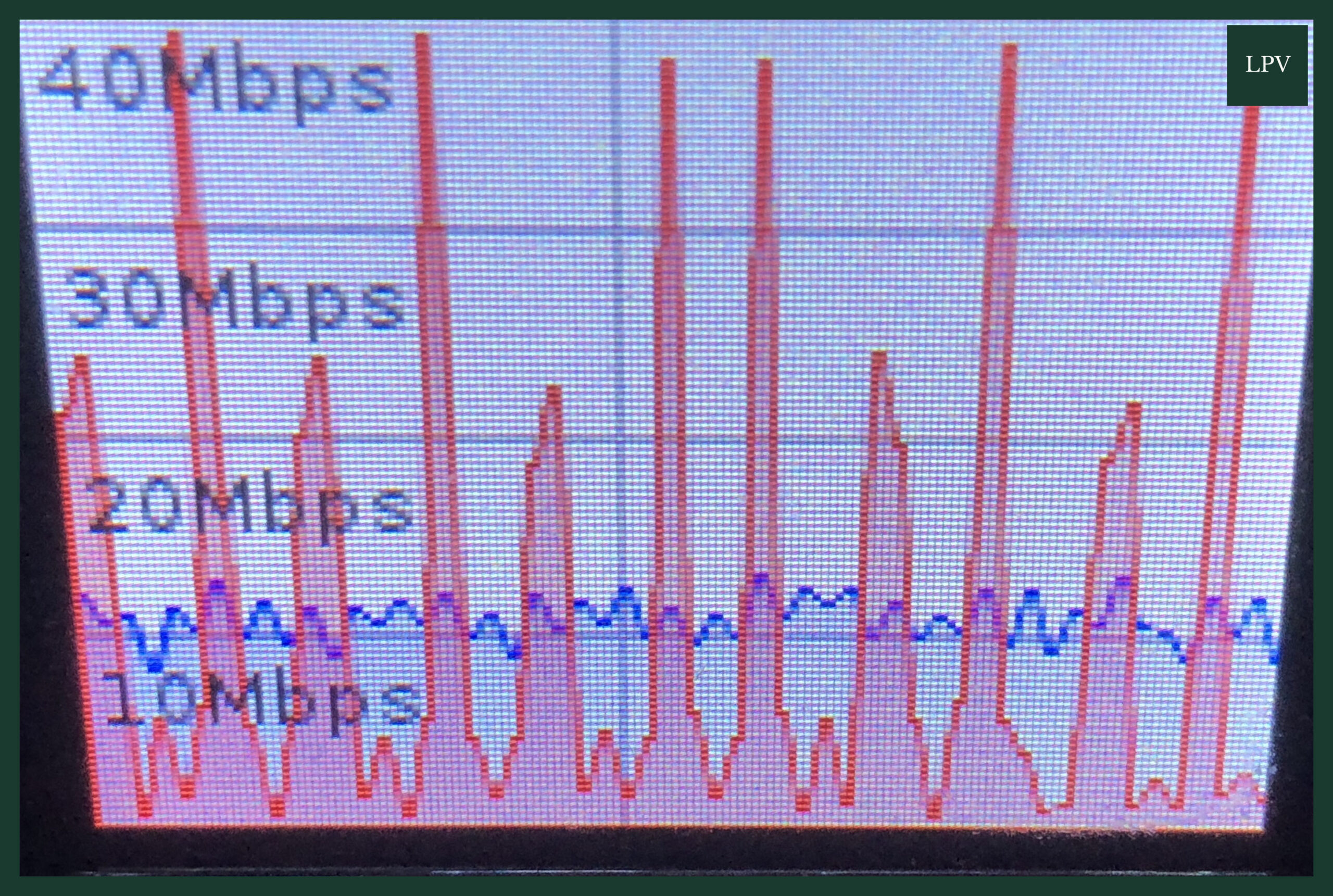
Outdoor and multi-day broadcasts can face problems no schedule can fully control. Alex has worked through storms, floods and even a tornado during multi-day broadcasts.
The lesson is to plan a way back when conditions change. Teams need to know how they will communicate, assess the situation and recover when part of the original setup is disrupted.
What Does Consistent Video Marketing Cost in Time?
Live event coverage and ongoing social media content have different demands, but both benefit from a process people can follow. For businesses looking for done for you social media in London, LPV Agency offers a social media autopilot service.
Clients record two minutes of video per week, while LPV handles strategy, editing, posting and consistency. Pricing is not provided here; contact LPV Agency to discuss your needs.
Key Takeaways
- Prepare the connections and communication channels before the event starts.
- Give each team member a clear role and use SOPs to coordinate the work.
- Use preview and live views to manage what viewers see next.
- Plan how to respond when weather or technical conditions disrupt the broadcast.
- Apply the same discipline to regular business content: make the process repeatable.
Implementation Checklist
- Agree on roles, cues and a primary communication method.
- Organise cables and check camera, audio and network connections.
- Test the workflow from camera feed to live output.
- Document key procedures and share them with the whole team.
- Discuss likely disruptions and how the team will respond.
Common Mistakes
- Assuming everyone knows the plan without writing it down.
- Leaving connection and communication checks until the event begins.
- Focusing on the ideal setup without considering changing conditions.
- Treating consistency as something to improvise each week.
Make Consistency Part of the Plan
Whether the subject is a horse clearing a jump or a professional sharing an insight, good video depends on preparation behind the scenes. A clear process helps people focus on the moment that matters.
If you are looking for a social media autopilot for your UK business, contact LPV Agency to discuss how two minutes of video each week could support a consistent presence.
FAQ: Practical Questions People Ask
What is the fastest way to apply Live Streaming Demands Precision: Lessons from Behind the Camera in a real business?
Start with one repeatable workflow, define the outcome, and automate only that part first. For example: A horse clears the rails in seconds.
Behind the camera, the team is already choosing what viewers see next. I was in one part of the country and my team 800 miles away live streaming across Europe.
This is where SOPs come in place even if we all hate them. SOPs make execution predictable.
How does this approach improve consistency and trust?
It creates a repeatable publishing cadence with clearer messaging and fewer manual delays, which improves audience confidence over time.
Do small teams need expensive tools to implement this?
No. A lightweight stack can work if it covers recording, editing, scheduling, and analytics with a clear process and ownership.
What should be measured first to validate results?
Track output consistency, content completion time, and conversion indicators (qualified leads, booked calls, or sales conversations).
Why is LPV Agency focusing on this strategy?
Because it reduces execution friction while improving visibility and lead quality. The goal is practical growth, not vanity metrics.