
How to Market a Venue Tour Around the Organiser’s Real Job
Buyers do not remember every room name. They remember whether they will spend the day chasing five different suppliers.
That is the pressure a strong venue tour needs to address first. Show the organiser how the event will work, then prove the venue can make it easier.
TL;DR
- Start a venue tour with the organiser’s problem, not a feature list.
- Lead with the setting, then answer practical questions about rooms, production and guest flow.
- Show how food, accommodation and leisure facilities reduce journeys and handovers.
- Market the experience in the order a buyer needs to make a decision.
What Is This? (Short Answer)
A venue tour is a decision-making story for an event organiser. It should show how one location helps people meet, work, eat and stay together without creating extra coordination.
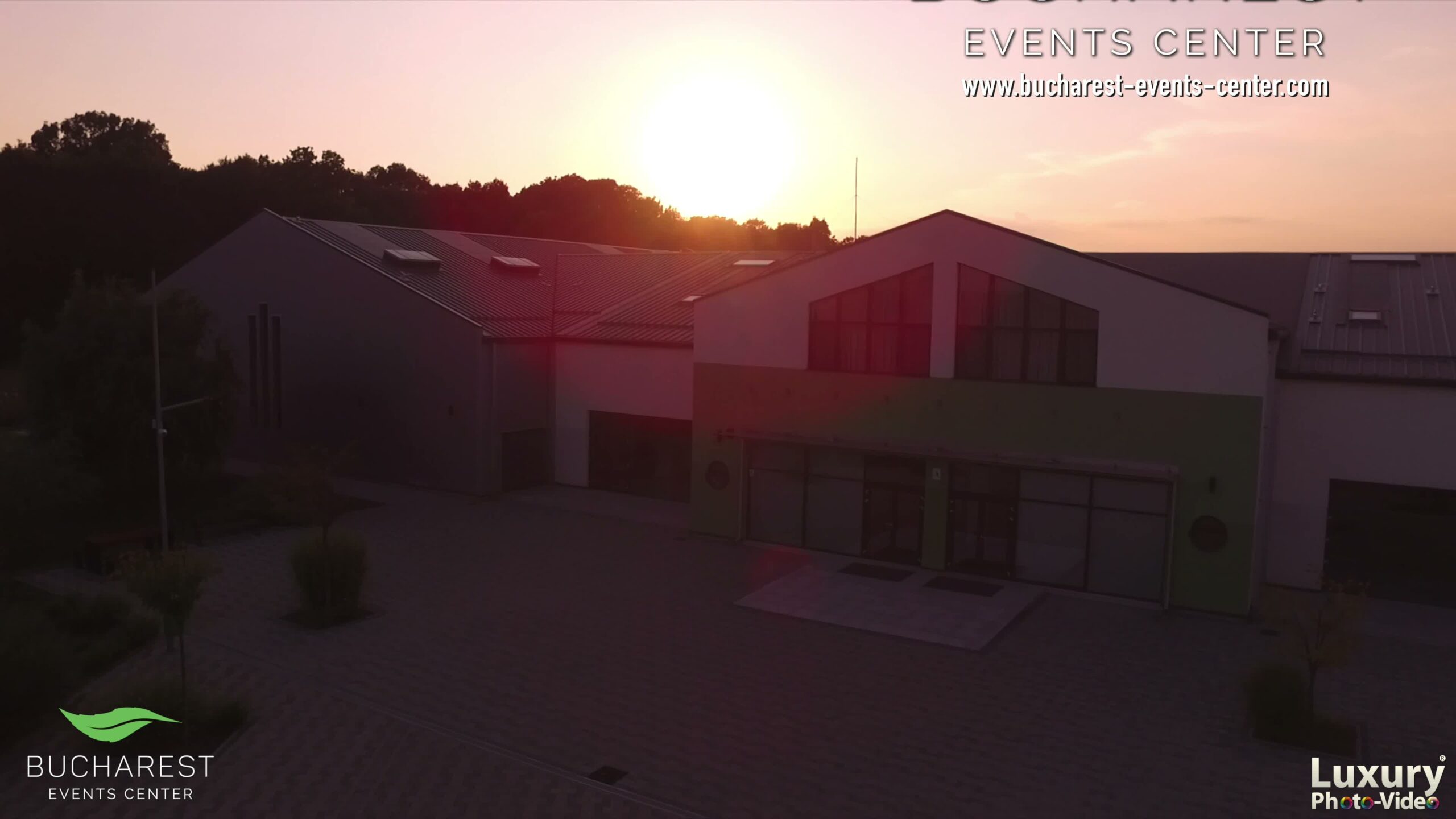
At Bucharest Events Center, that story begins with a modern setting surrounded by fields and woodland. The location gives a corporate retreat or private event a change of pace before anyone even enters a room.
How does this work?
It works by following the organiser’s priorities instead of walking viewers through a list of spaces.
First, establish the setting and the type of experience it creates. Then answer the practical questions: where people will meet, how presentations will run, what support is available, and whether guests can stay on site.
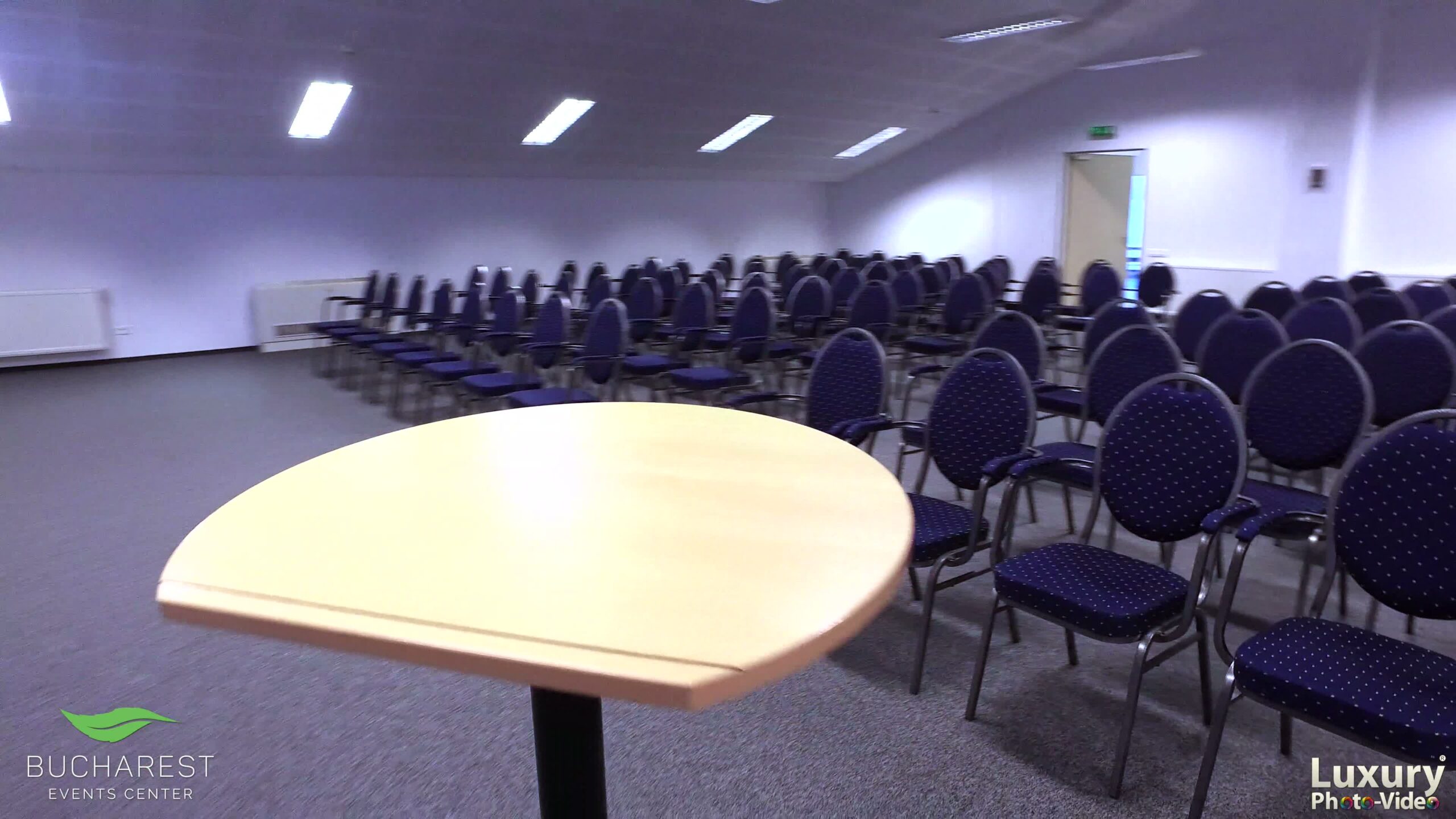
The main hall answers the central event question with projection, stage lighting and seating. Flexible spaces such as the Oslo and Paris rooms then show that the day does not need to fit one rigid format.
Professional sound and lighting support matter when a presentation, training session or key moment needs to land properly. They are not just technical details. They reduce uncertainty for the person responsible for the event.
Who is this for?
This approach is for venues selling conferences, training sessions, corporate retreats, private events and celebrations.
It is especially useful when the buyer is an organiser who is managing schedules, suppliers, guest comfort and overnight arrangements at the same time.
The viewer is not only choosing a hall. They are choosing whether the event can stay connected in one place, with fewer transfers and fewer points where the plan can break down.
Key Takeaways
- Begin with buyer pressure. The organiser wants a day that runs without chasing multiple suppliers.
- Make the setting earn attention. Fields and woodland create a clear change of pace for a retreat or private event.
- Answer logistics early. Show the hall, flexible rooms, projection, seating and production support.
- Show the full-day experience. Coffee breaks, catering space, accommodation and leisure facilities help the schedule stay together.
- Sell fewer handovers. The strongest benefit is less risk of guests being separated from the event, food or overnight stay.
What does it cost?
The source does not state venue pricing. A good tour should therefore avoid implying a price or package that has not been confirmed.
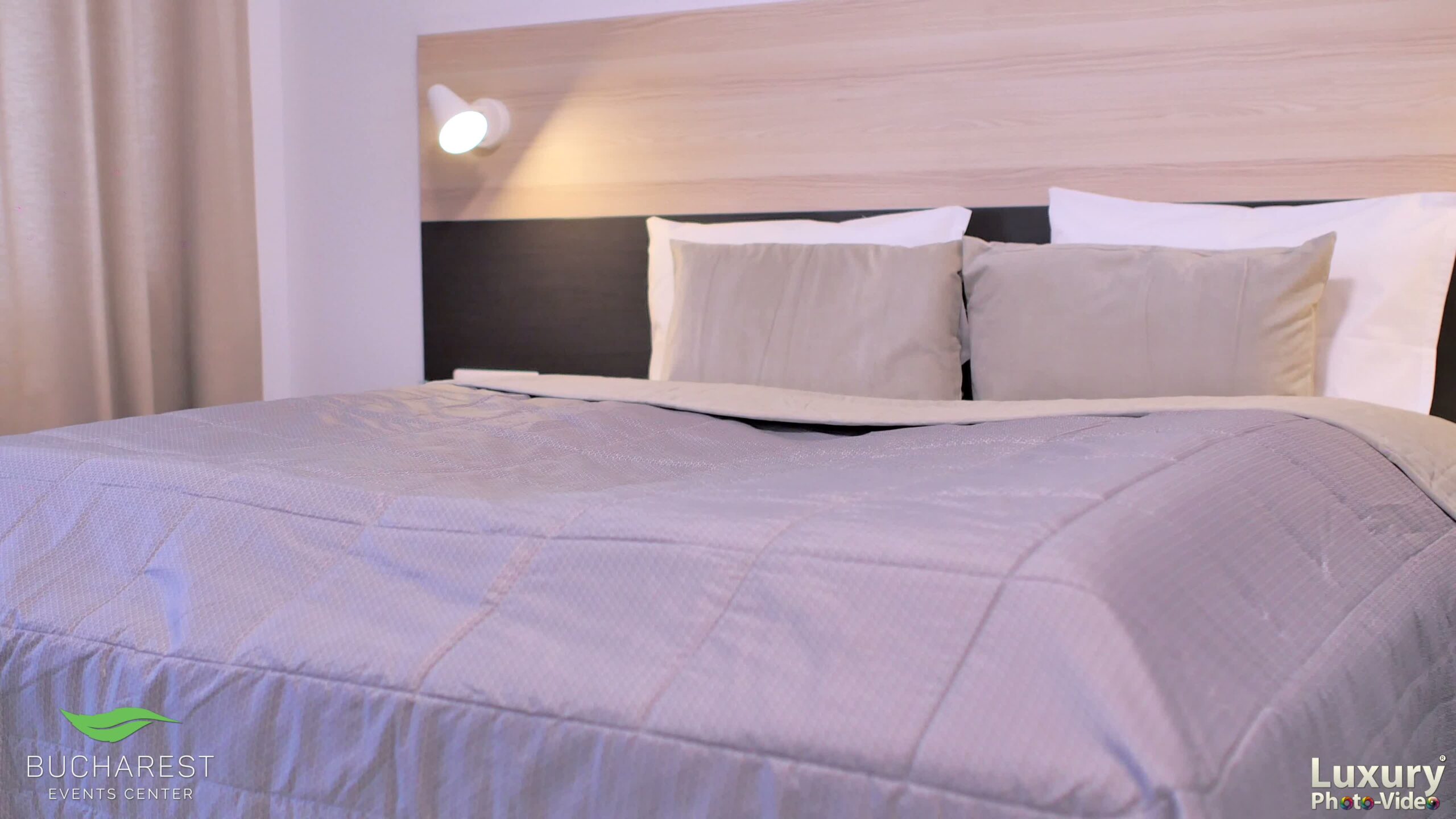
Instead, show what the buyer is evaluating: the setting, event spaces, technical support, catering capability, 48 accommodation rooms and leisure facilities. Those details help an organiser decide whether the venue is worth a conversation.
What are the risks?
The biggest risk is marketing the venue as a catalogue of rooms rather than a solution to an organiser’s workload.
If a tour starts with room names, equipment lists and isolated beauty shots, the buyer may still be left wondering how the day fits together. They need to see how the location reduces journeys, supplier handovers and scheduling friction.
Another risk is showing only the meeting space. For an event with food, breaks or an overnight stay, viewers also need confidence that people can remain close to the schedule throughout the day.
Concrete Mini-Example: From Room Tour to Event Plan
Instead of opening with “Here is the Oslo room,” start with the organiser’s need for a smoother retreat day.
Show the woodland setting, then the main hall with projection, stage lighting and seating. Follow with the Oslo and Paris rooms, coffee-break and catering space, then the 48 accommodation rooms and leisure facilities.
The message becomes clear: guests can arrive, meet, eat, stay and reset in one location. That is more useful than asking a buyer to mentally assemble the event from separate features.
Implementation Checklist
- Open with the organiser’s pressure, such as avoiding multiple suppliers and unnecessary handovers.
- Show the surrounding setting before moving indoors.
- Include the main hall and its projection, stage lighting and seating.
- Show flexible rooms, including the Oslo and Paris spaces where relevant.
- Explain that professional sound and lighting support is available for important moments.
- Include coffee breaks, catering space, accommodation and leisure facilities.
- Finish with the outcome: people can focus, meet and stay together.
Common Mistakes to Avoid
- Leading with room names before explaining why the venue makes planning easier.
- Treating technical equipment as a feature without connecting it to the event experience.
- Showing accommodation separately from the event schedule.
- Using sunset shots as decoration instead of showing the kind of stay the buyer is choosing.
- Forgetting that the organiser is assessing risk, not simply admiring the space.
Why does one location matter to an organiser?
One location matters because it keeps guests close to the plan. Fewer journeys and fewer handovers mean less risk that people become separated from sessions, food or their overnight stay.
The sunset shots are part of that decision too. They show a place where people can focus, meet and stay together, rather than simply attend a meeting and leave.
What should the call to action say?
The call to action should invite buyers to see what one location can take off their plan.
For conferences, training sessions, retreats or celebrations, show the experience in the order an organiser needs to decide: pressure first, then proof that the venue removes it.
FAQ: Practical Questions People Ask
What is the fastest way to apply How to Market a Venue Tour Around the Organiser’s Real Job in a real business?
Start with one repeatable workflow, define the outcome, and automate only that part first. For example: Buyers do not remember every room name.
They remember whether the day will run without chasing five different suppliers. That is why a venue tour should begin with the organiser’s job, not a list of features.
At Bucharest Events Center, the first view is the setting: a modern venue surrounded by fields and woodland. It gives a corporate retreat or private event a change of pace before anyone enters the room.
How does this approach improve consistency and trust?
It creates a repeatable publishing cadence with clearer messaging and fewer manual delays, which improves audience confidence over time.
Do small teams need expensive tools to implement this?
No. A lightweight stack can work if it covers recording, editing, scheduling, and analytics with a clear process and ownership.
What should be measured first to validate results?
Track output consistency, content completion time, and conversion indicators (qualified leads, booked calls, or sales conversations).
Why is LPV Agency focusing on this strategy?
Because it reduces execution friction while improving visibility and lead quality. The goal is practical growth, not vanity metrics.