
How a Mercedes-Benz GLE Plug-in Hybrid Film Makes the Showroom Feel Closer
A premium SUV video fails when it only shows the badge. Buyers need to feel the difference, understand the choices and see how the vehicle fits real driving before they walk into the showroom.
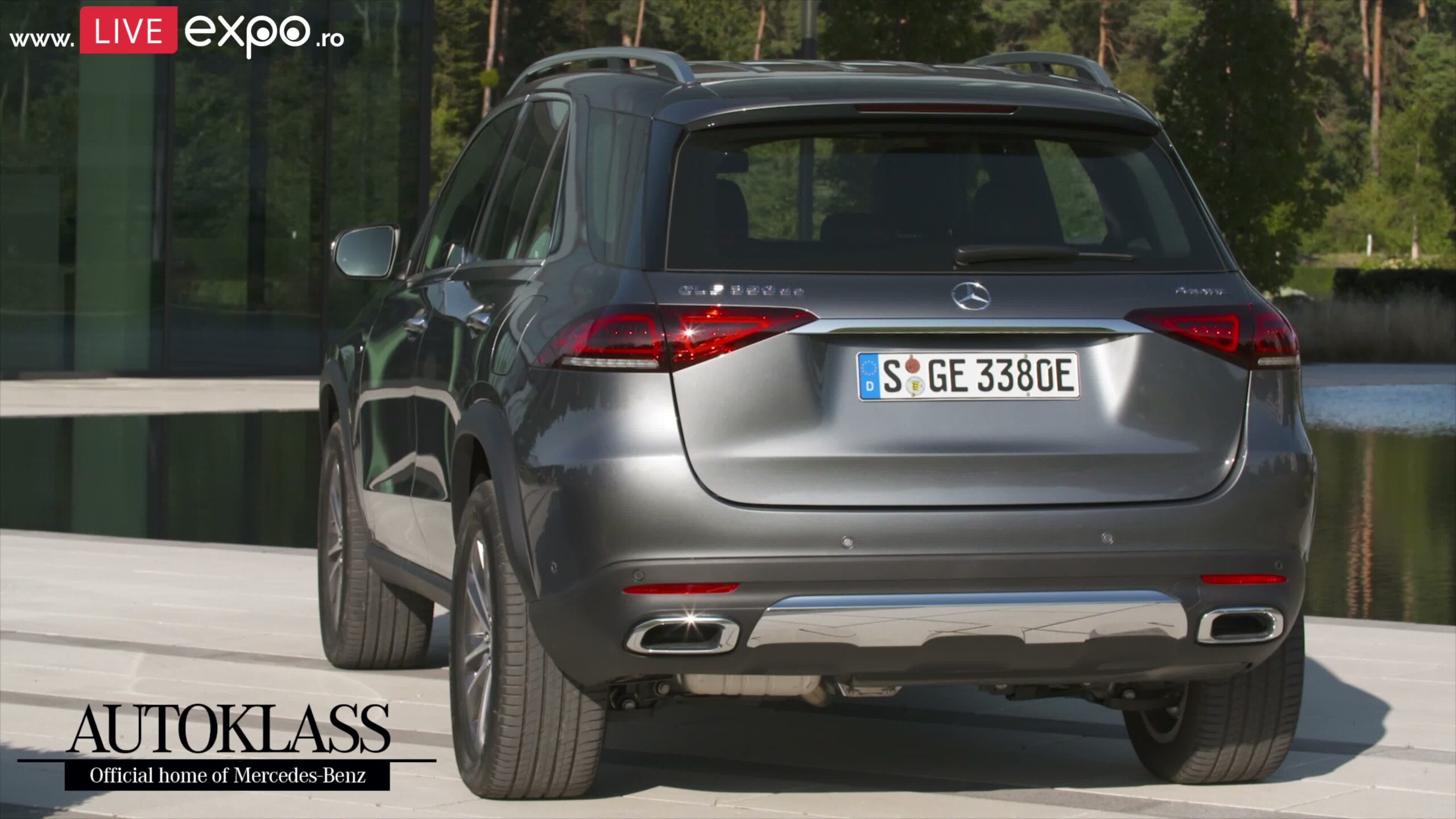
The Autoklass and LiveExpo film for the Mercedes-Benz GLE Plug-in Hybrid does this through useful detail: design, power options, electric range, interior technology and parking support.
TL;DR
- A dealership film should create a feeling, then answer practical buyer questions.
- The GLE Plug-in Hybrid is shown through details including its grille, lights, charging capability and wheels up to 22 inches.
- The film explains the choice of petrol or diesel plug-in hybrid power.
- It gives concrete context: up to 95 km of electric range, 211 hp for petrol and 194 hp for diesel.
- The next step stays simple with special-offer and finance options.
What Is This? (Short Answer)
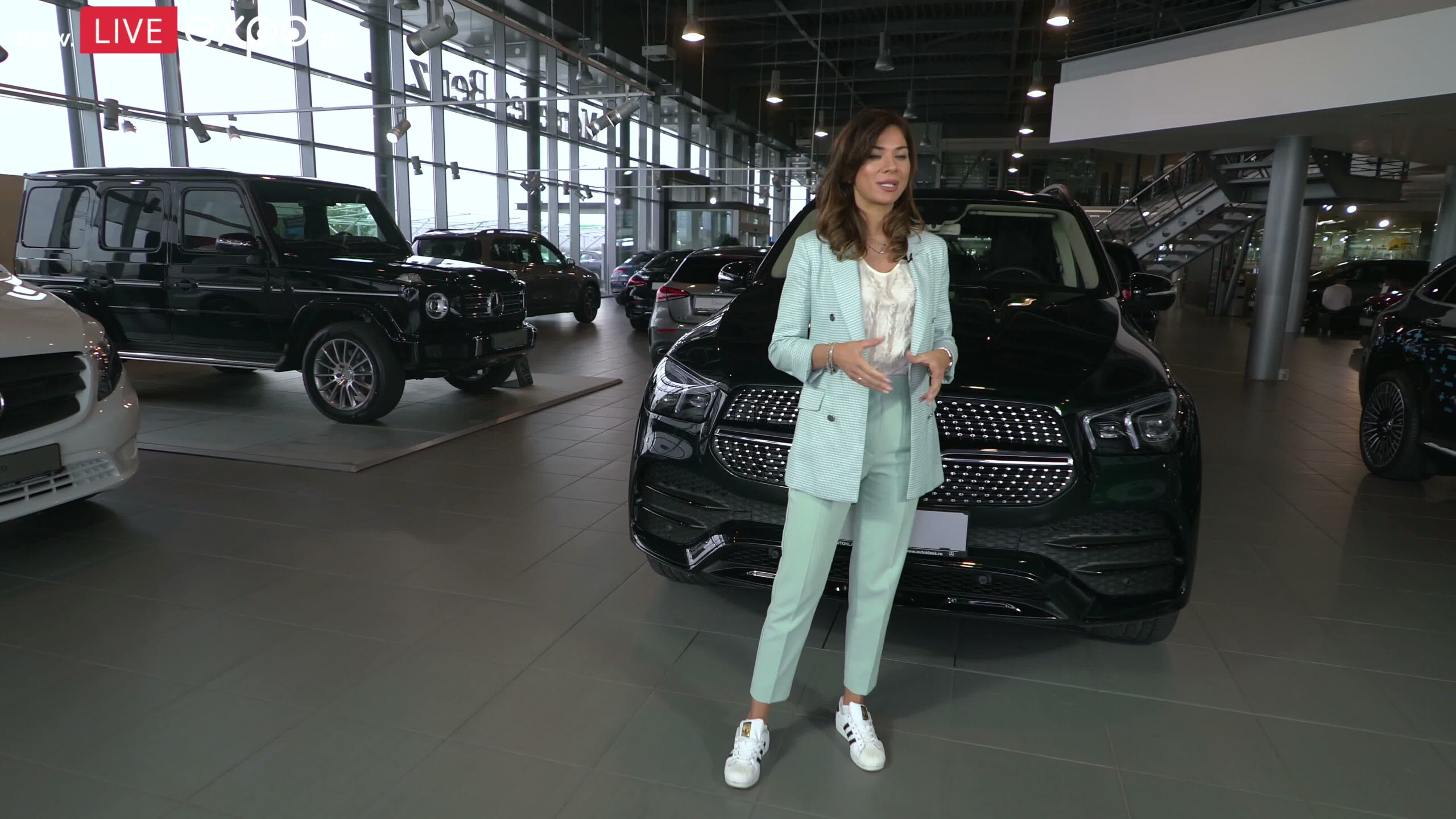
This is a dealership video approach that helps a buyer understand and imagine living with a vehicle before visiting the showroom.
Instead of relying on dramatic shots alone, the film moves from exterior presence to everyday usability. It shows what the driver will see, touch and use, then explains the support available on the road and when parking.
How does this work?
The film works by moving from desire to decision-making in a clear order.
First, it establishes presence with sharp horizontal lights, a wide grille, EQ Power charging and alloy wheels up to 22 inches. These details give the GLE its premium visual character without leaving the viewer to guess what they are seeing.
Then it shifts to choice. The GLE combines electric driving with petrol or diesel plug-in hybrid power, allowing buyers to consider the engine that suits their driving style.
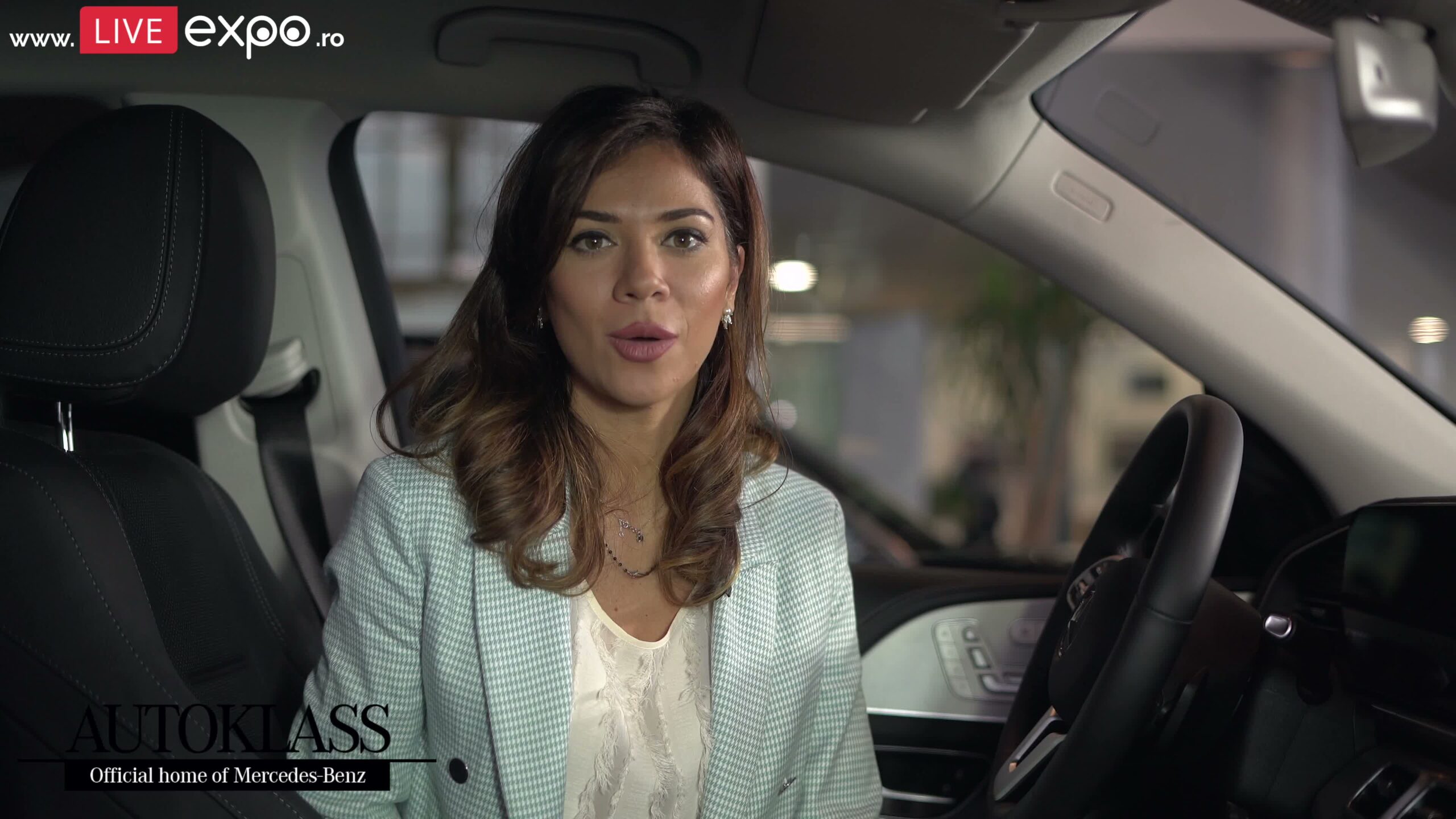
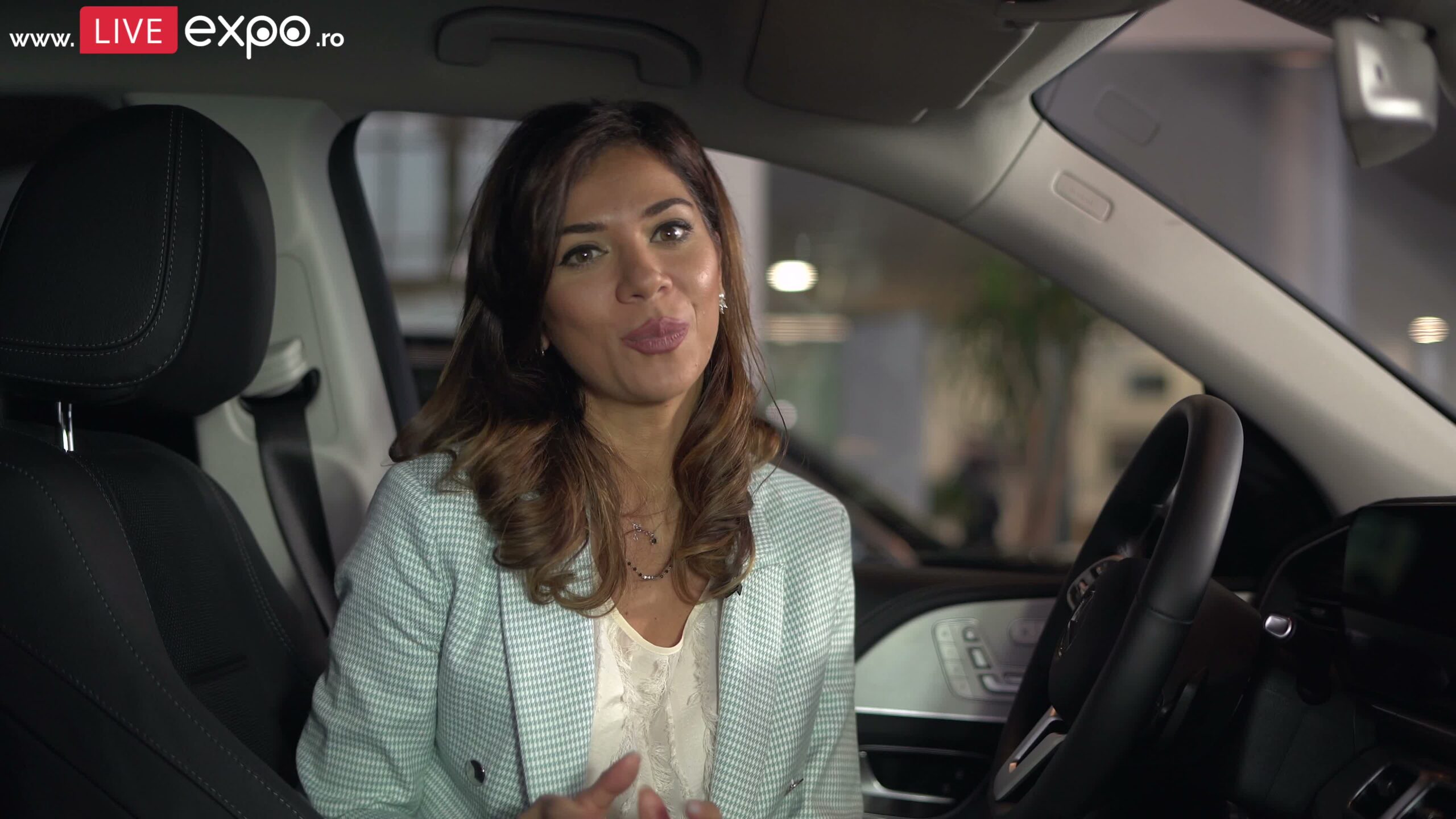
Finally, it covers everyday experience. Black leather seats, a large central display and a Head-Up Display show the practical technology inside, while driving assistance and a 360-degree camera address real road and parking situations.
Key Takeaways
- Show more than the exterior. A vehicle film should help a buyer picture ownership, not just admire the car.
- Use specific details. Range, horsepower, charging and interior controls give the story useful substance.
- Explain choices simply. Present the petrol and diesel plug-in hybrid options as a decision tied to driving style.
- Connect technology to a purpose. Assistance systems and parking cameras matter because they support calmer driving and tighter spaces.
- Make the next move easy. A clear route to special offers and finance options keeps interest from ending with the video.
Who is this for?
This approach is for dealerships and automotive businesses that need buyers to understand a premium vehicle before a showroom visit.
It is especially useful when a vehicle has several points to explain, such as plug-in hybrid power, electric range, different engine choices, driver assistance and in-car technology.
It also suits buyers who want both an emotional first impression and practical information. They can see the GLE’s design, then quickly understand what it offers in daily driving.
What does it cost?
The source does not state a price for the Mercedes-Benz GLE Plug-in Hybrid or for the dealership film.
It does state that the video can direct interested viewers towards special-offer and finance options. Those options should be the place where buyers receive the relevant current pricing and terms.
What are the risks?
The main risk is making a premium vehicle look impressive without making it understandable.
If a film focuses only on style, a buyer may still be left wondering about electric range, power choices, interior controls or whether the vehicle is easy to park. If it becomes a list of specifications, it can lose the calm confidence that makes the vehicle desirable.
The balance is to show the feeling first, then give the details that help a buyer decide.
A concrete example from the GLE film
The GLE’s 360-degree camera support is a small detail with a clear real-world benefit: it helps when parking space is tight.
That is more useful than simply naming the feature. The viewer can connect the technology to a situation they may face every day.
Implementation Checklist
- Open with the vehicle details that create immediate presence.
- Include the buyer questions that matter before a showroom visit.
- State concrete specifications where they help explain the choice.
- Show the interior features a driver will use every day.
- Connect driving technology to a practical benefit.
- Include a clear route to special offers and finance options.
- Keep the story focused on both confidence and clarity.
Common Mistakes to Avoid
- Showing only the badge, exterior angles and dramatic driving shots.
- Listing features without explaining why they matter to the driver.
- Leaving engine and powertrain choices unclear.
- Skipping practical details such as electric range or parking support.
- Ending without a simple next step for interested buyers.
Why consistent video matters after the vehicle film
A strong dealership film can answer buyer questions in one clear piece of content, but it also needs to reach people consistently.
ClientWorkSystem helps businesses create and distribute videos, graphics and ads with only two minutes of input each week, so their online presence can keep working while they focus on the business.
FAQ: Practical Questions People Ask
What is the fastest way to apply How a Mercedes-Benz GLE Plug-in Hybrid Film Makes the Showroom Feel Closer in a real business?
Start with one repeatable workflow, define the outcome, and automate only that part first. For example: A premium SUV video has to do more than show a badge.
It has to make the buyer feel the difference before they enter the showroom. For Autoklass and LiveExpo, the Mercedes-Benz GLE Plug-in Hybrid is introduced through the details that carry that feeling: sharp horizontal lights, a wide grille, EQ Power charging and alloy wheels up to 22 inches.
The story then moves from presence to choice.
How does this approach improve consistency and trust?
It creates a repeatable publishing cadence with clearer messaging and fewer manual delays, which improves audience confidence over time.
Do small teams need expensive tools to implement this?
No. A lightweight stack can work if it covers recording, editing, scheduling, and analytics with a clear process and ownership.
What should be measured first to validate results?
Track output consistency, content completion time, and conversion indicators (qualified leads, booked calls, or sales conversations).
Why is LPV Agency focusing on this strategy?
Because it reduces execution friction while improving visibility and lead quality. The goal is practical growth, not vanity metrics.