
From a Film Camera to Video Marketing: 22 Years of Learning by Doing
TL;DR
- Alex took his first photograph at five with a silver film camera and never forgot its click.
- Film and TV production studies built a foundation, but practice taught him to observe, adapt and improve.
- National television brought fast deadlines, presidential interviews and unpredictable assignments.
- Today, Alex brings that experience to LPV Agency and video marketing for UK businesses.
- The practical lesson is simple: start with what you have, try something and learn from the result.
What Is This? (Short Answer)
This is Alex’s story of how practice shaped his journey from an early interest in photography to a career in television and video marketing.
It is also a reminder that creative confidence grows through doing: pressing the button, studying the result and trying again.
Some sounds stay with you. For Alex, it is the click of the silver film camera he used to take his first picture at the age of five.
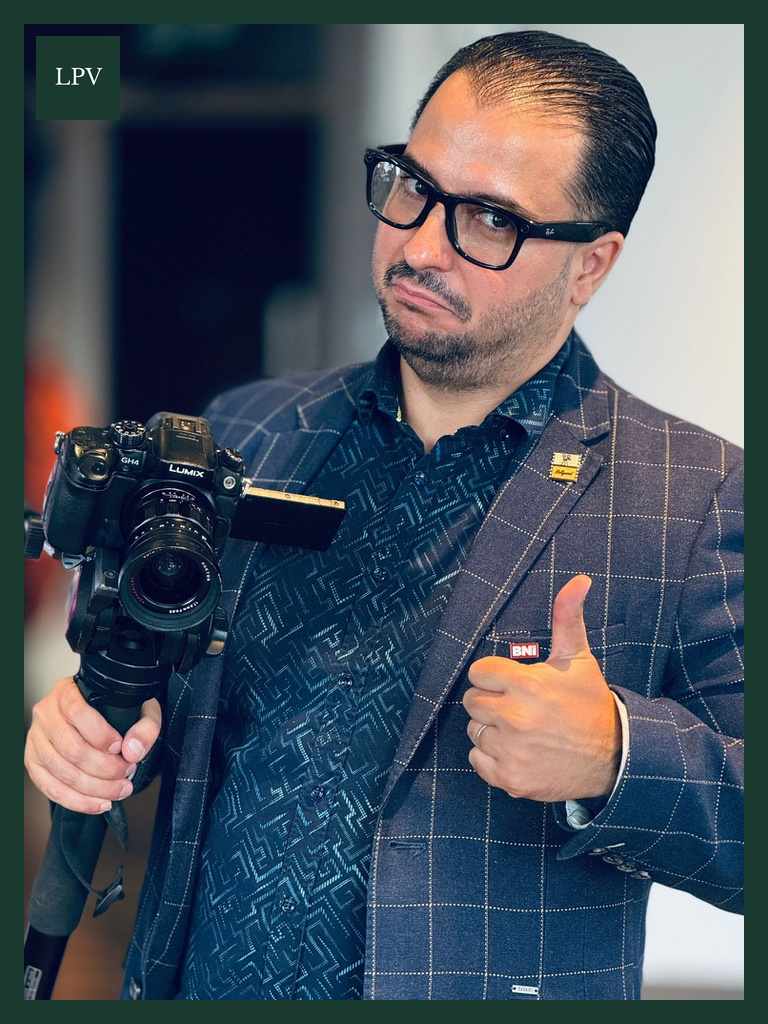
These nine photos look back on a journey that took him from those early experiments to national television, a Hollywood film project and the work he does today at LPV Agency.
The First Click
Twenty-two years ago, taking a photograph meant making the most of the camera in your hands. Alex remembers the sound of that first picture as much as the moment itself.
That curiosity stayed with him: the urge to find a shot, capture it and see what could be made better next time.
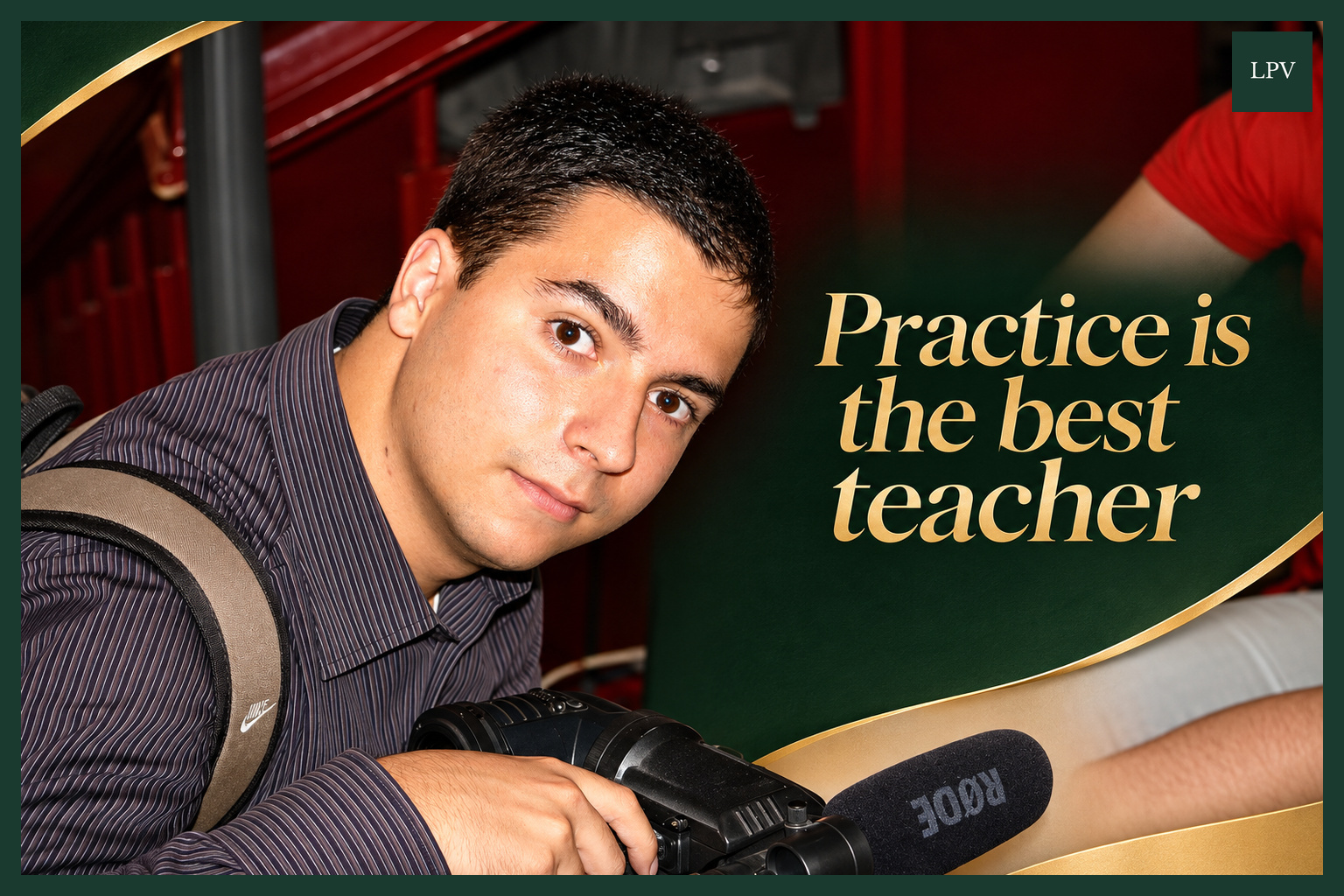
Learning to Look for the Next Shot
Some of the pictures in this collection go back to when Alex was 16. Even then, the process was about more than owning a camera: it was about noticing what was in front of it.
Searching for an angle and working with what was available became habits he carried into professional work.
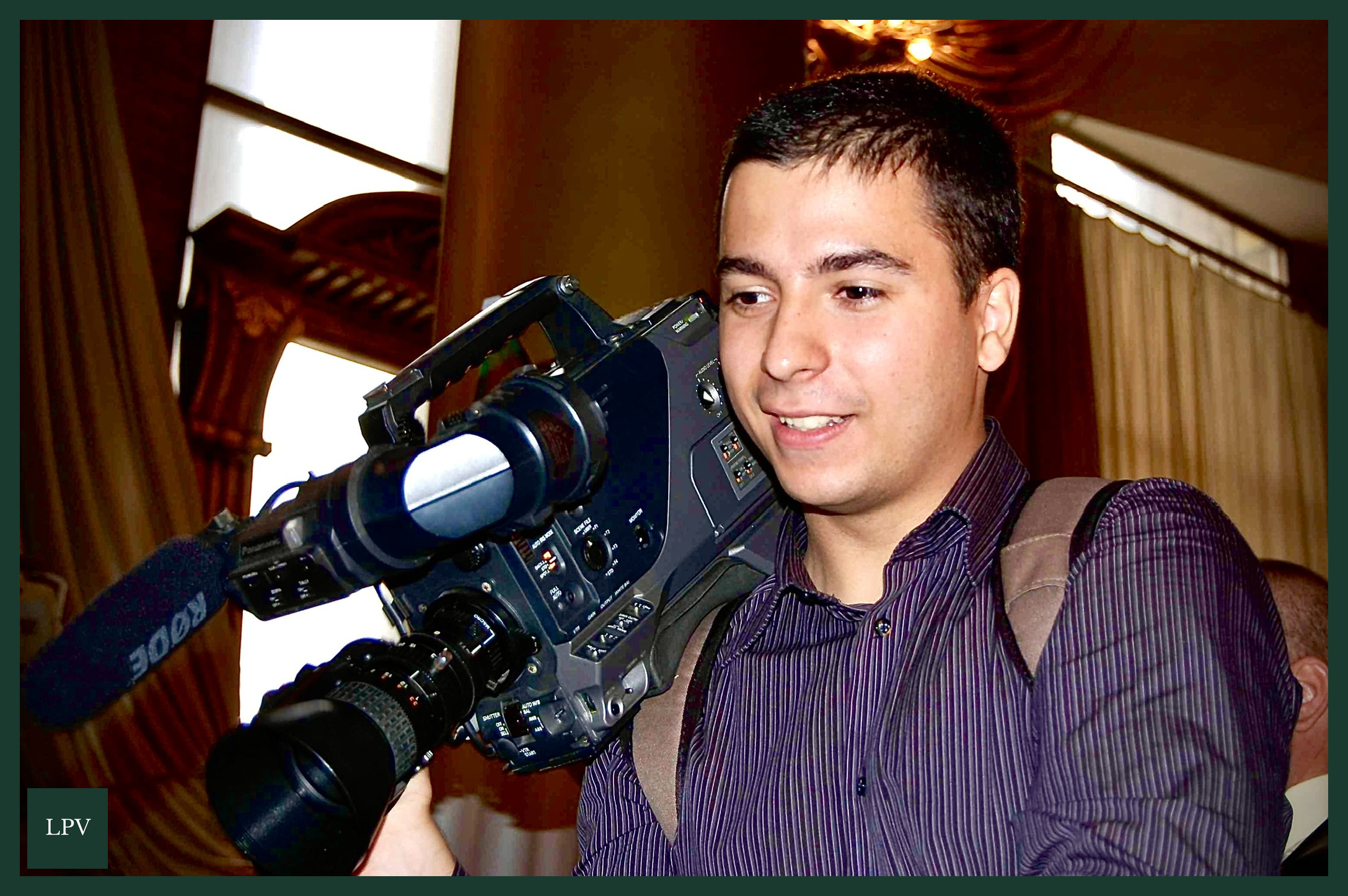
What Practice Taught Beyond University
Alex studied film and TV production at university, gaining an education in the craft. Picking up a camera also taught him things a lecture could not.
His advice is to “push the button, try it out” and see how the light falls. The next step becomes clearer when you can observe what happened.
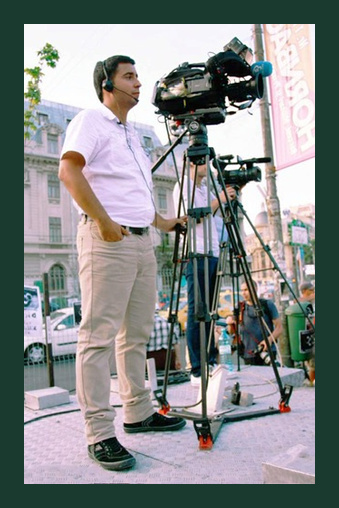
Starting in National Television at 18
At 18, Alex began working in national television. He experienced the story from both sides of the camera, working as a camera operator and appearing in front of it as an interviewer.
Each role demanded attention to the people and events unfolding around him, as well as the technical work needed to capture them.
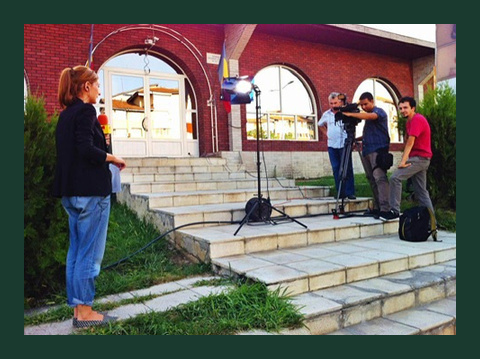
Making Four to Six News Reels a Day
Producing four to six news reels a day taught Alex to work quickly while paying attention to detail. There was little time to dwell on a missed opportunity when the next story was already waiting.
That pace made preparation and observation part of the process. Every assignment offered another chance to put them into practice.
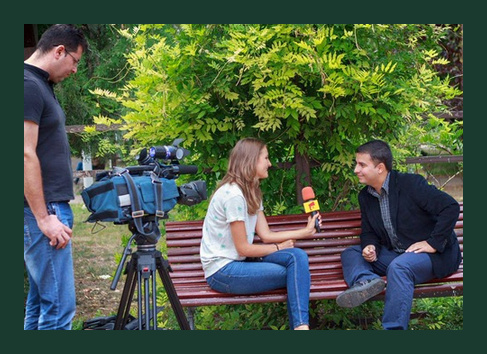
Finding an Angle Under Pressure
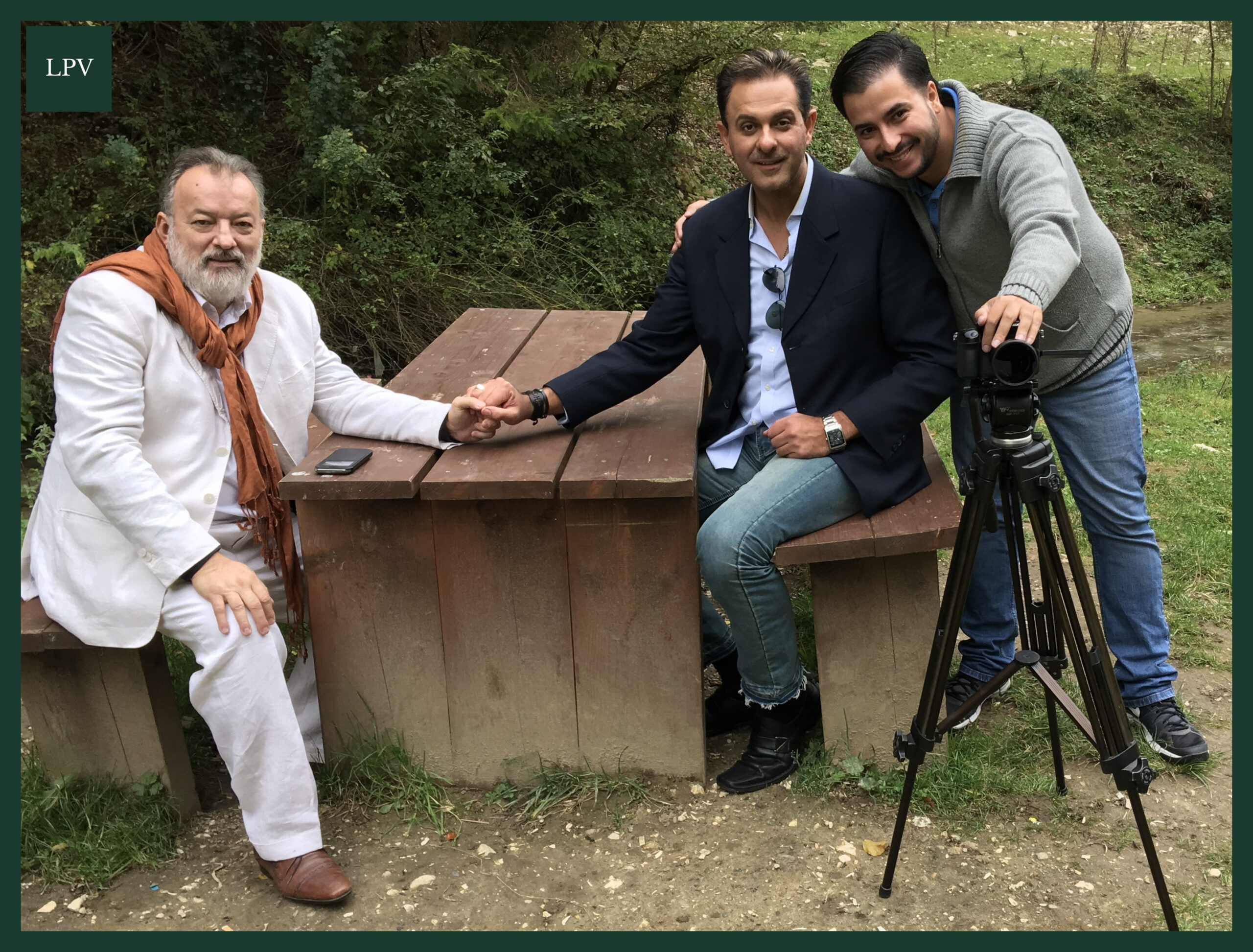
Some assignments left little room for error, including filming an interview with a country’s president. Others required quick decisions in unpredictable circumstances.
Alex remembers jumping onto a moving ambulance to find a better angle and working through civil unrest without knowing what might happen next. Those experiences could be hard, but they shaped how he approaches a story.
From Television to a Hollywood Film Project
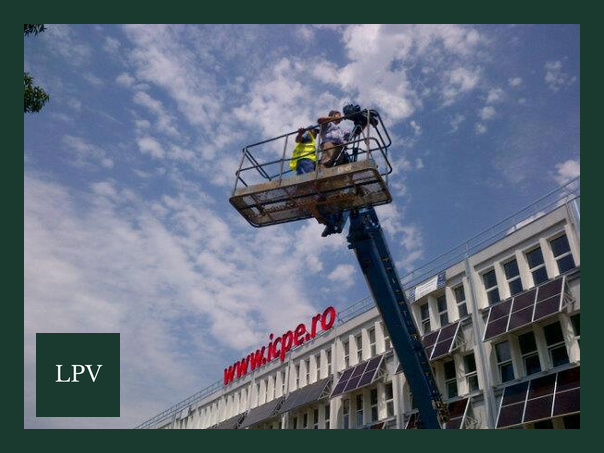
At 26 or 27, Alex was filming for a Hollywood movie that was never launched. The project became another part of a journey built through different kinds of production work.
Whether the final work reaches an audience or not, the experience of making it can still teach a filmmaker something valuable.
Finding Your Own Next Step
Practice does not produce the same path for everyone. As Alex puts it, the next step for one person may not be the same as the next step for someone else.
What matters is paying attention: notice how the light changes a scene, how an angle affects a story and what you want to try differently.
Bringing the Experience to LPV Agency
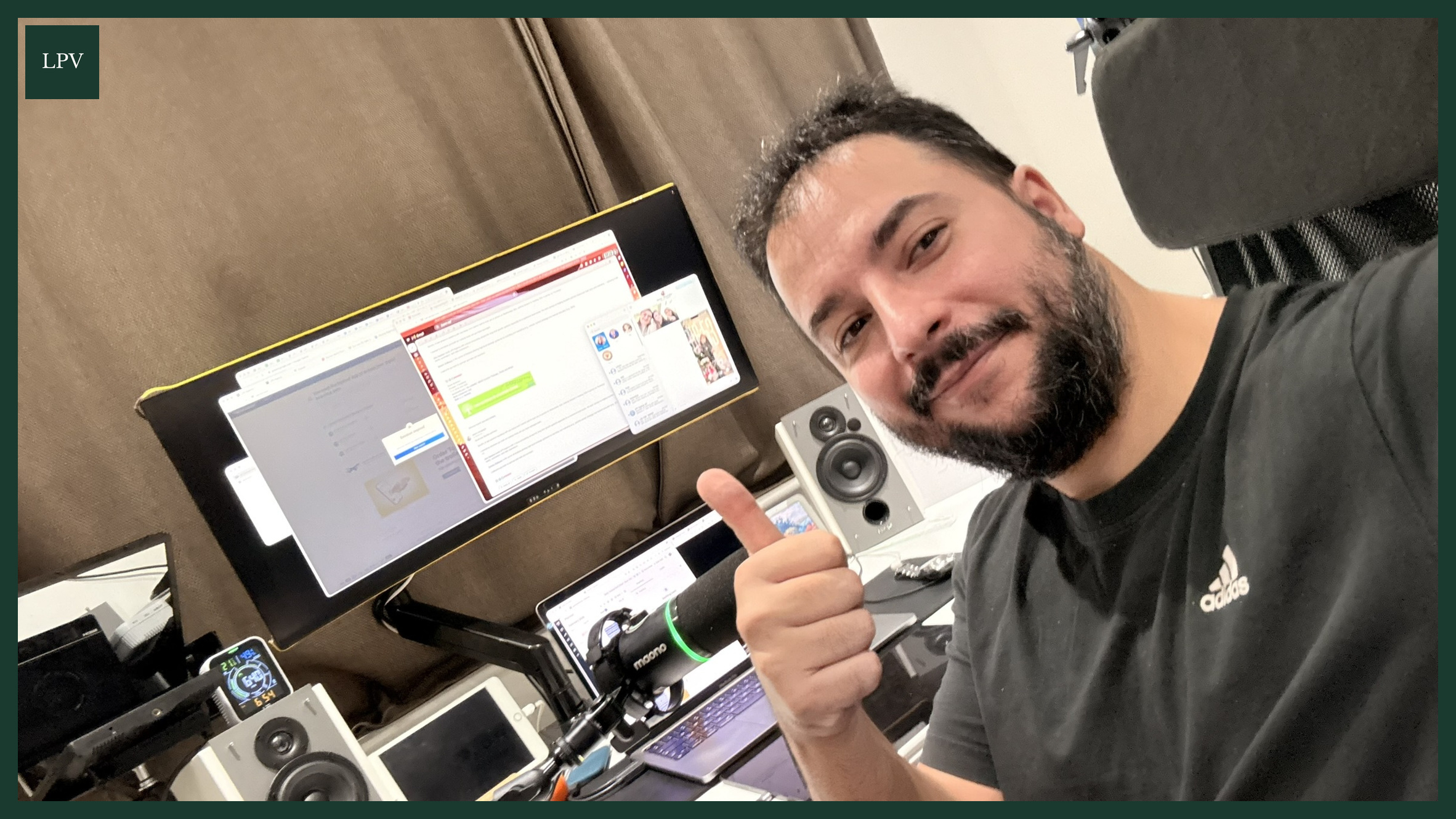
Today, Alex still looks for the next angle and a better way to tell a story. At LPV Agency, that experience informs video marketing for UK businesses.
LPV’s social media autopilot service is designed for business owners who understand marketing matters but do not want to manage every part of it themselves.
How Does Social Media Autopilot Work?
Clients record two minutes of video per week. LPV handles the strategy, editing, posting and consistency, helping turn that regular input into an ongoing social media presence.
For a business looking for done for you social media in London or elsewhere in the UK, the starting point is a manageable habit: showing up on camera regularly.
Who Is This For?
The service is for UK business owners who want to be visible on social media but would rather spend their time running their business. It may also suit professionals looking to build authority through video.
LPV Agency’s approach connects Alex’s production experience with the practical needs of businesses in London, Romford, Harold Wood and beyond.
What Does It Cost?
Pricing is not included in the information provided. Contact LPV Agency to discuss your business needs and the cost of its service.
What Are the Risks?
Waiting until every video feels perfect can make it difficult to start. On the other hand, publishing without a clear purpose can make a business’s message harder to follow.
A consistent process gives you opportunities to review what works and improve, while keeping the message relevant to the people you want to reach.
Key Takeaways
- Start with the equipment and experience you have.
- Practise regularly and pay attention to light, framing and the story.
- Use each result to decide what to try next.
- Build a process that makes consistency achievable.
Implementation Checklist
- Choose one useful idea your audience would benefit from hearing.
- Record a short video, paying attention to the light and sound.
- Review the result and identify one improvement for next time.
- Set aside two minutes each week to record your next video.
- Consider whether support with strategy, editing and posting would help you stay consistent.
Common Mistakes
- Waiting for perfect equipment before recording.
- Trying to copy someone else’s next step without considering your own goals.
- Focusing on the shot while losing sight of the story.
- Recording once and expecting consistency to take care of itself.
Keep Looking for the Next Angle
From the click of a silver film camera to the demands of national television, Alex’s journey has been shaped by trying, observing and improving. The camera changed, but the curiosity stayed.
If you want to make video a consistent part of your business marketing, contact LPV Agency to learn more about its social media autopilot service.
FAQ: Practical Questions People Ask
What is the fastest way to apply From a Film Camera to Video Marketing: 22 Years of Learning by Doing in a real business?
Start with one repeatable workflow, define the outcome, and automate only that part first. For example: I was five when I took my first picture with a silver film camera, and I still remember the click.
These photos take me back to those early days: finding the next shot and making the most of the camera in my hands. I studied film and TV production, but picking up a camera taught me things a lecture could not.
At 18, I started working in national television, both behind the camera and in front of it as an interviewer.
How does this approach improve consistency and trust?
It creates a repeatable publishing cadence with clearer messaging and fewer manual delays, which improves audience confidence over time.
Do small teams need expensive tools to implement this?
No. A lightweight stack can work if it covers recording, editing, scheduling, and analytics with a clear process and ownership.
What should be measured first to validate results?
Track output consistency, content completion time, and conversion indicators (qualified leads, booked calls, or sales conversations).
Why is LPV Agency focusing on this strategy?
Because it reduces execution friction while improving visibility and lead quality. The goal is practical growth, not vanity metrics.