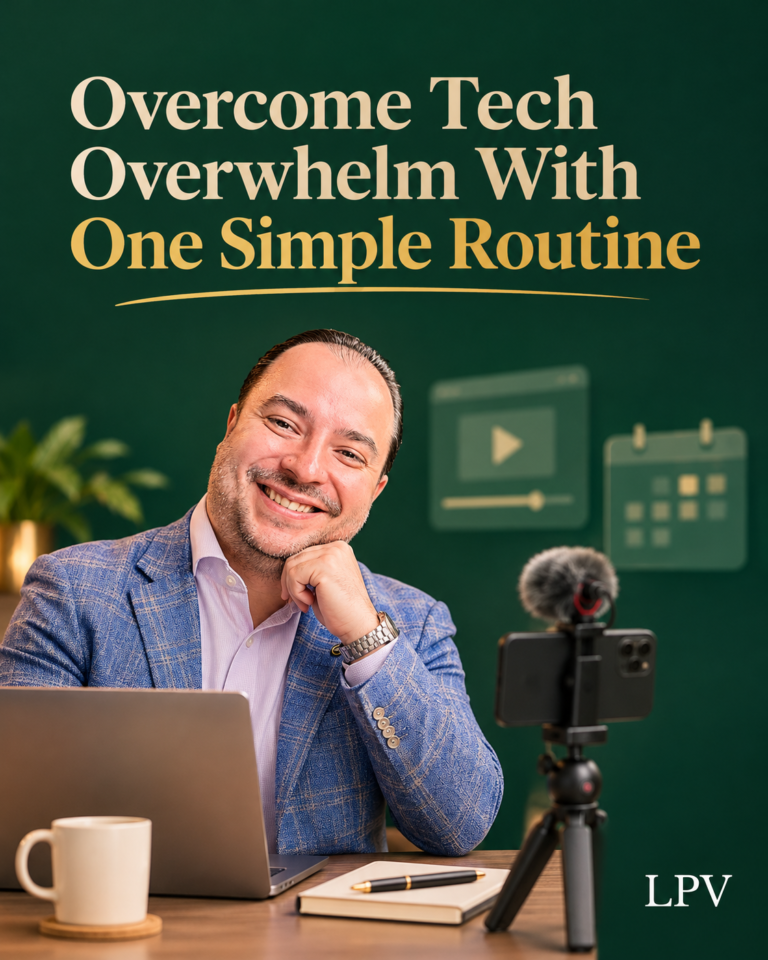
A final visibility post should explain what changed after showing up for 30 days, what became easier and what your audience can expect next. It closes the 30-Day Visibility Challenge while giving people a useful reason to keep following, commenting, booking a call or watching future posts.
What should a final visibility post include?
Your post should include the change you noticed, the part of showing up that became easier and a clear next step for your audience. It is the final post prompt for Day 30 of the 30-Day Visibility Challenge, but the point was never to post for 30 days and then disappear.
The real win is the evidence you now have: visibility is built through small, repeated actions, even when a post feels basic. Your last challenge post can show that you have been present, learned something and intend to keep showing up.
For business owners in London, Harold Wood, Romford and across the United Kingdom, that makes visibility more than content. It becomes proof that you are active, useful and worth paying attention to.

Day 30 of the 30-Day Visibility Challenge is a chance to turn that consistency into a reason for your audience to keep following. You do not need to overthink the message; you need to make the change and the next step clear.
If you want to carry the habit forward, read why consistent social media beats one brilliant post. The principle behind the challenge is repeated useful action, rather than waiting for a perfect speech or a perfect post.
How can business owners write a useful Day 30 post?
Business owners can write a useful Day 30 post by reflecting honestly on their experience and connecting it to what their audience needs. Start with what changed during the challenge, then explain what felt easier by the end and what people can expect from you next.
A strong version might be plain and direct:
“After 30 days of showing up, I’ve realised visibility gets easier when the message is simple. I’ll keep sharing practical ways business owners can become more visible on social media without overcomplicating the process.”
I would choose a good version over a clever version here. Use normal words, say the result clearly and remove anything that needs explaining.
Your audience does not need a keynote speech. They need a clear reason to trust that you understand their problem and can help them move forward.
Keep the post tight and easy to understand: aim for around 120 seconds if spoken, or roughly 240 words. A short, honest post can do more than a polished but vague brand message, particularly when it uses simple words and real context.
As you write, remember to say who you help and what result you help them move towards. Someone coming across your content for the first time should be able to understand your point in one read.
How do you check a social media post before publishing?
Check a social media post by asking whether it helps a decision, shows your thinking and gives the right person a reason to follow. I use this three-check filter to make sure the post offers practical clarity as well as a personal update:
- Decision: Does the post help someone make a better decision? Give the reader something useful to take from your experience.
- Thinking: Does it show how you think or solve problems? Let your audience see your judgement, process or perspective.
- Reason to follow: Does it give the right person a reason to keep following? Make the next step obvious, whether that is learning more, commenting, booking a call or watching future posts.
These checks turn a wrap-up into a trust signal. They also help you look beyond what you want to say and consider what the reader can understand and use.
For another way to make content useful to prospective customers, see how answering buyer questions can build visibility on social media. Clear thinking and useful advice give people a reason to trust the business behind the post.
Who can use a visibility challenge post?
A visibility challenge post can help business owners, consultants, service providers and professionals who know social media matters but struggle to stay consistent. It is especially useful for people who help other business owners become more visible on social media.
The approach can work for B2B businesses too. A B2B video marketing agency London approach works best when content shows clear thinking, useful advice and a reason to trust the business.
For UK businesses using video marketing, the message should sound human and specific. Whether the audience is in Harold Wood, Romford, London or elsewhere in the United Kingdom, people need to understand what you do, who you help and why your content is worth their time.
That clarity matters for local SEO digital marketing as well as for the people reading or watching a post. A clear message gives an audience context for what you do and a reason to stay connected.
What mistakes weaken a Day 30 post?
The biggest mistake is making a Day 30 post so vague that readers cannot see why they should stay connected. “Thanks for following along” is polite, but on its own it does not explain what comes next.
Another risk is over-polishing the message until it loses its usefulness. The challenge was designed to make action small enough that you actually do it today, so avoid making the final post sound like a keynote speech.
Do not let clever language obscure the problem you help with or the result you help people move towards. A reader who is new to your business should not have to work out what your message means.
Stopping completely after the challenge is another missed opportunity. You have built momentum through small actions; tell your audience what you will keep sharing so they have a reason to follow what comes next.
The post itself mainly asks for attention and honesty: take a few minutes to reflect on what changed and write it plainly. The larger challenge is consistency, because a process that is too heavy to repeat can stop business owners showing up even when they have ideas.
How can businesses keep showing up after a visibility challenge?
Businesses can keep showing up after a visibility challenge by making their content process clear, specific and manageable to repeat. Simple video marketing works best when it is consistent and gives people useful reasons to pay attention.
For LPV Agency, this connects directly to social media autopilot for UK businesses. Clients record just two minutes of video per week, then LPV handles strategy, editing, posting and consistency.
Done-for-you social media in London and automated video marketing services for UK businesses can reduce the friction of staying visible. The aim is to support business owners without turning marketing into a second job.
Read more about done-for-you social media in London and how short weekly videos can support a week of marketing.
Key takeaways
- Explain what changed after showing up for 30 days, what became easier and what your audience can expect next.
- Use simple language and real context to show that you understand the people you help.
- Check for a useful decision, evidence of your thinking and a reason to keep following.
- Build trust and authority through repeated, useful signals rather than a perfect speech.
- Keep video content human, specific and consistent, with a process you can repeat.
Your final visibility post can show that visibility is simple, repeatable and useful. Write it, post it or share it in the comments, comment “posted” when done, and save the prompt for the next time you need a clear step.