
Event Video That Makes a Kitchen Showroom Feel Worth Visiting
A polished product display can show what you sell. It cannot always show what it feels like when people are invited into the room.
That is the difference a live culinary moment can create for kitchen, interior, food, hospitality and event brands in London, Romford and Harold Wood.
TL;DR
- Good event video follows a journey, from preparation to presentation.
- Small details such as brass, glassware, texture and hands at work give the final moment meaning.
- Professional filming captures the work outside a single polished frame.
- A live culinary experience creates conversation and feeling, not just product visibility.
- Plan the camera around the details that make guests want to attend the next event.
What Is This? (Short Answer)
Event video marketing is the practice of filming a real brand experience so viewers can understand how it feels to be there.
For a showroom or hospitality event, the goal is not random clips. It is a clear visual story that moves from the considered details, through the work, to the finished presentation and people sharing the experience.
How does this work?
It works by filming the details before, during and after the main moment, so the experience has context.
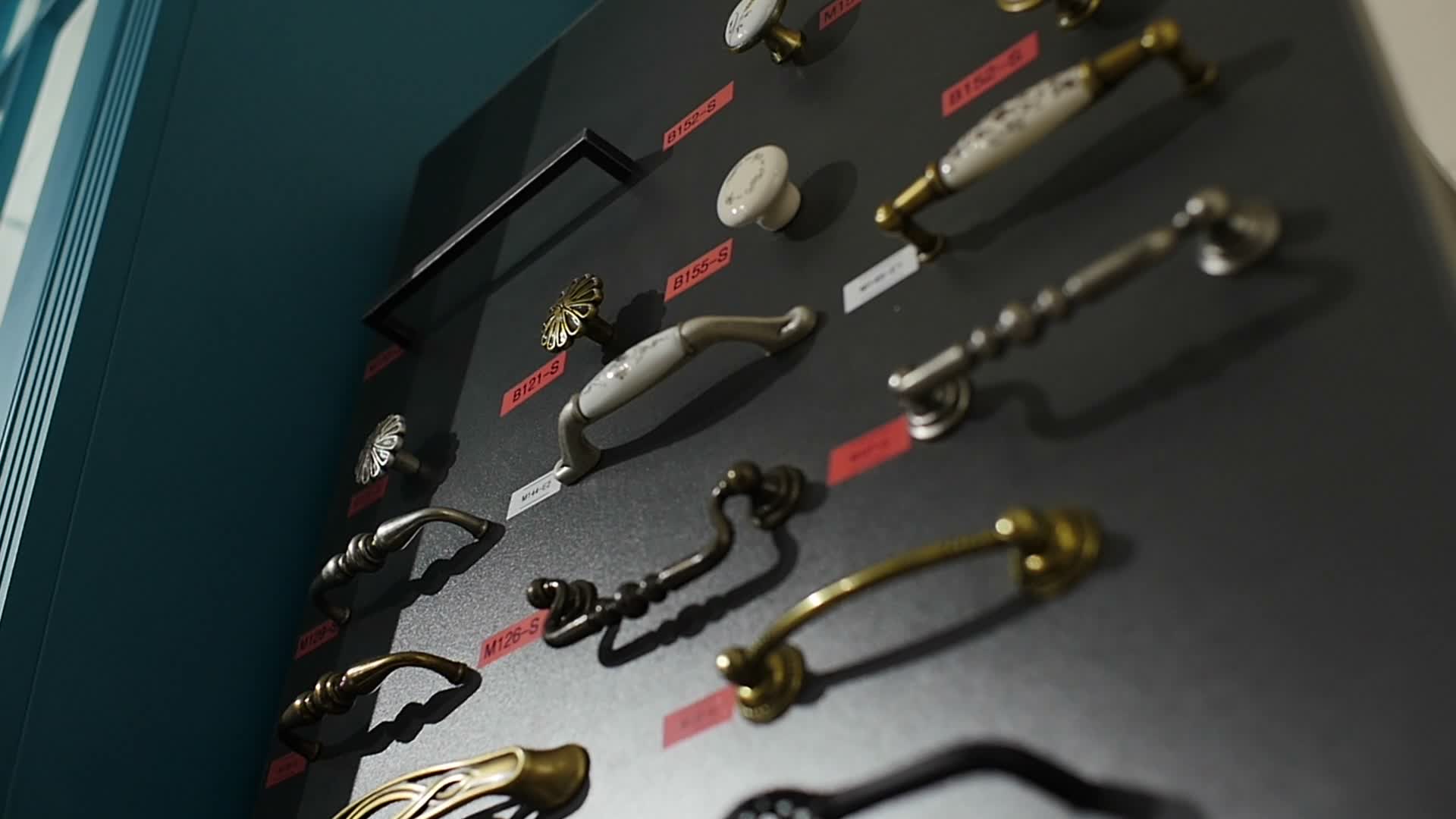
The first impression can happen before anyone tastes a thing. A brass kitchen tap, decorative hooks against a red tufted wall, and shelves holding samples can establish care before the food is even served.
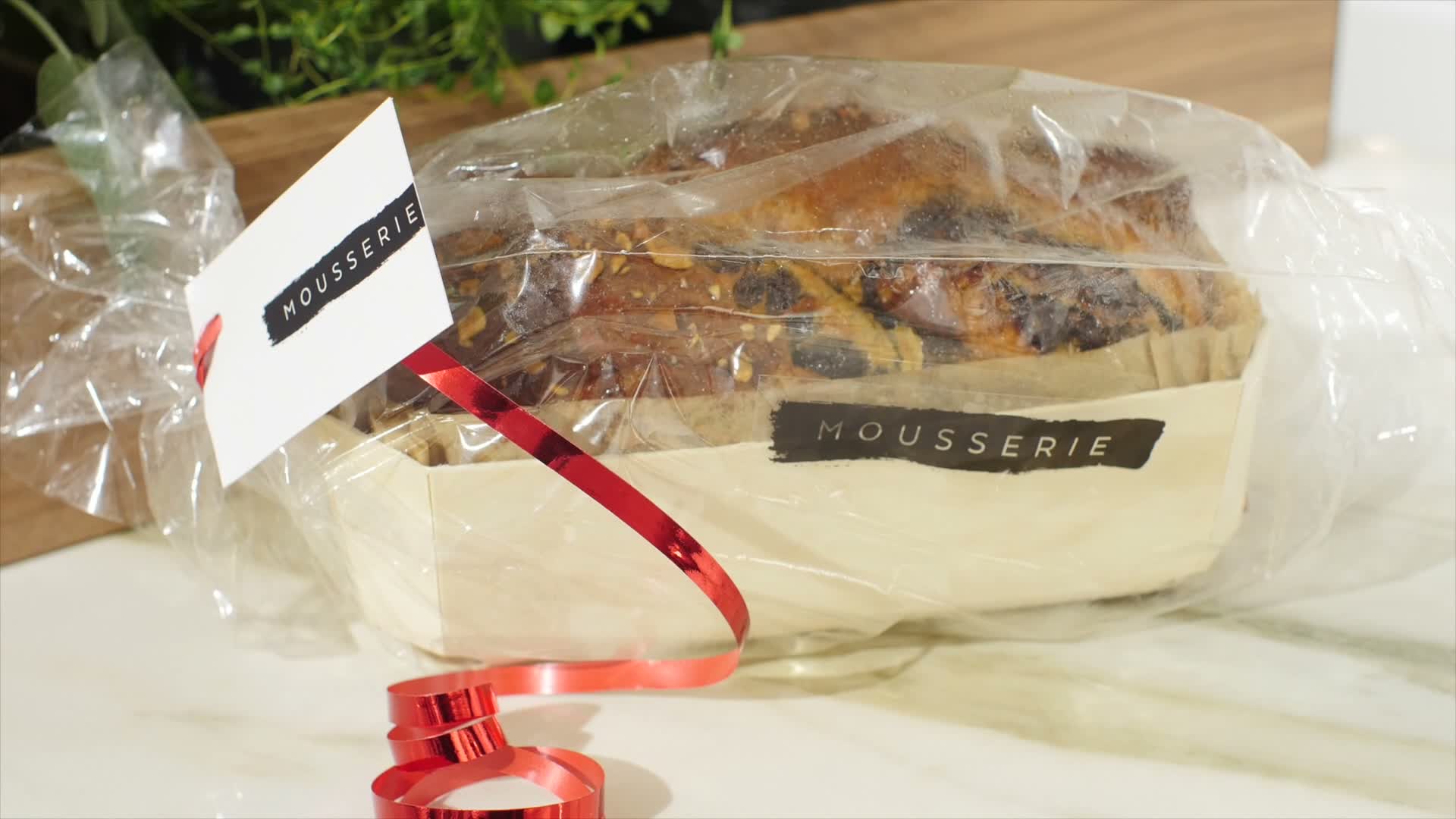
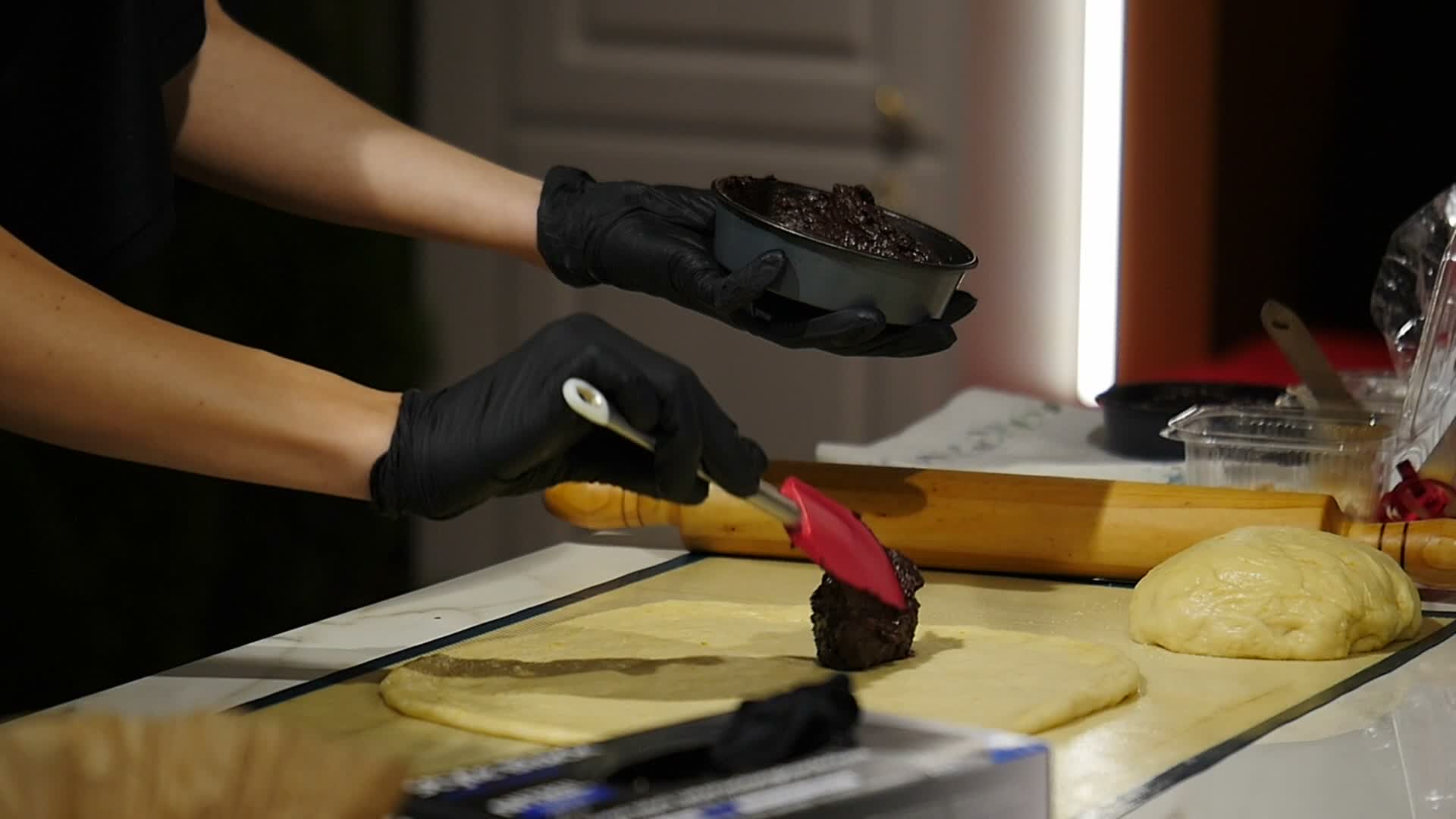
Then the camera moves into the kitchen. It catches chocolate filling, gloved hands, dough taking shape and sweet bread topped with nuts.
Those close-ups are not filler. They give the finished serving more meaning because viewers have seen the making behind it.
A concrete showroom example
In this culinary showroom moment, the visual journey moves from brass and a white showroom to dough being shaped, then to pastries, glassware and the final serving.
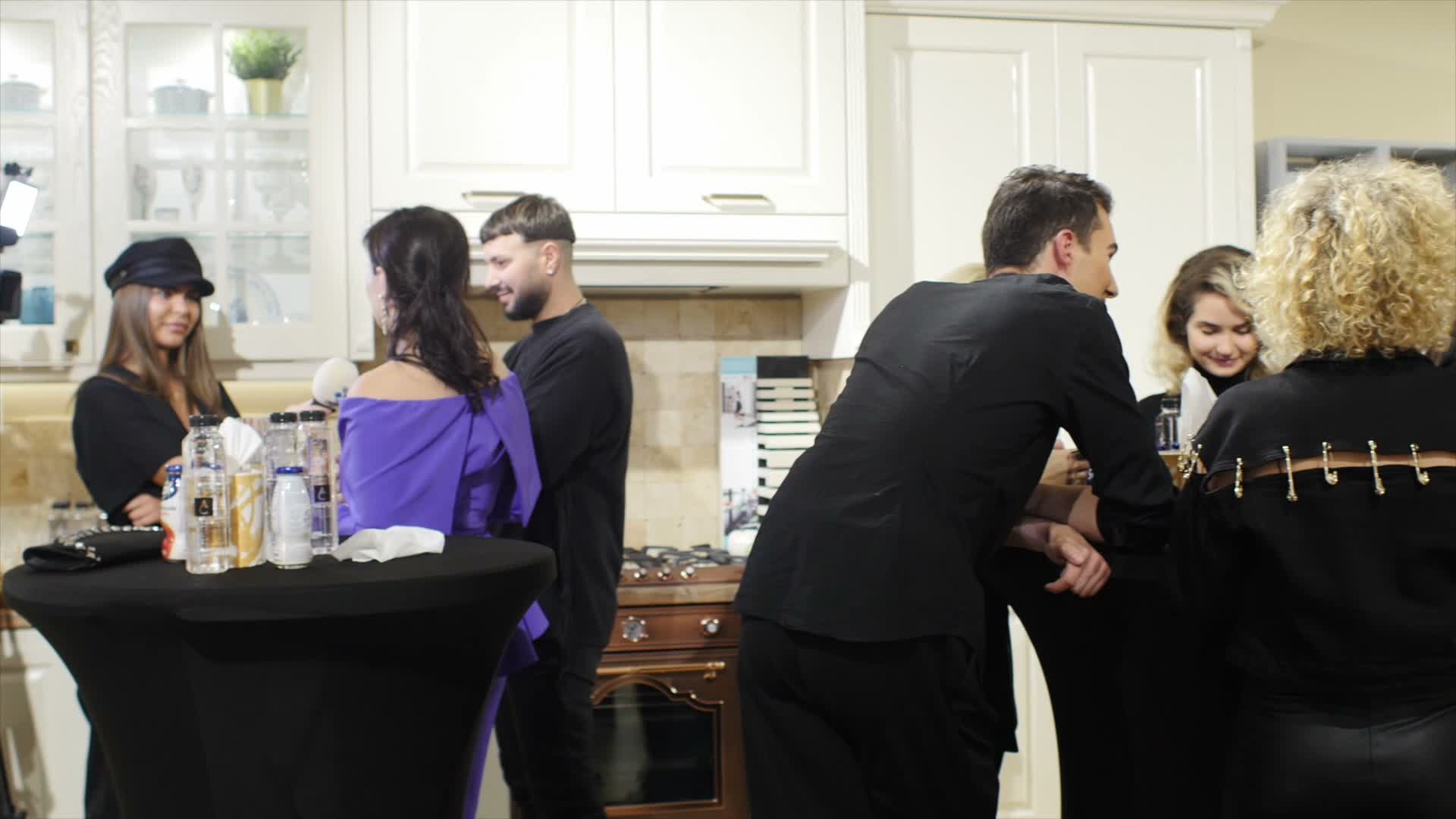
Behind the presenter are chefs, tasting guests and professional filming. That wider view shows the work and the atmosphere a single polished image can miss.
Who is this for?
This approach is for brands that need people to feel the experience, not simply recognise the product.
Kitchen and interior brands can show how materials, fittings and displays work together in a lived-in setting. Food, hospitality and event brands can show texture, care and the conversations created around the table.
It can also suit a B2B video marketing agency London audience when the service being sold depends on trust, attention to detail and an in-person brand experience.
If you are planning a brand event in Harold Wood, Romford or wider London, the question is simple: what would make someone wish they had been in the room?
Key Takeaways
- Film the first impression. The room, fixtures, displays and styling set the tone before the main activity begins.
- Show the making. Hands, ingredients and process turn a finished product into a story.
- Include people around the work. Chefs, presenters and tasting guests make the event feel active and social.
- Use close-ups with purpose. Each close-up should add meaning to the final presentation.
- Build toward the invitation. The strongest outcome is a viewer who wants to experience the next event in person.
What does it cost?
The source does not give a price for filming an event, so the right cost depends on the event, the required coverage and the final content needed.
What is clear is that the camera needs to be planned into the experience. Professional filming is there to capture the preparation, people and details that a final hero image can leave out.
For brands also looking for done for you social media London support, it helps to decide how the event footage will be used after the day itself. A strong event story can provide material for social posts that keep the experience visible beyond the room.
What are the risks?
The main risk is flattening a carefully planned day into disconnected clips.
If the camera only records the final serving or a few wide shots, viewers may see the product without understanding the craft, setting or energy around it.
Another risk is overlooking the details that carry the brand. Brass, glassware, shelves, pastries and the contrast of a red tufted wall can feel small in the room, but together they make the event recognisable.
Implementation Checklist
- Choose the first visual details guests notice when they enter.
- List the preparation moments worth filming, including hands, ingredients and tools.
- Plan a sequence from showroom or venue, to making, to final presentation.
- Make space for the presenter, chefs, guests and natural conversations.
- Capture close-ups of textures, fittings, food and styling details.
- Film the final serving or reveal only after showing enough of the journey.
- Plan how the footage will support your social media after the event.
- Give the camera the details when you plan the brand experience.
Common Mistakes to Avoid
- Recording only the finished product.
- Treating event footage as a collection of random clips.
- Ignoring preparation, because preparation gives the result meaning.
- Filming only wide shots and missing texture, hands and small design choices.
- Leaving out the guests and conversations that show how the event feels.
- Forgetting to create content that makes people want to attend next time.
Why does this matter for social media?
One polished frame can show the finished result. A fuller event story gives you the care, movement and people behind it.
That matters when your social media needs to communicate more than a catalogue of products. It gives viewers a reason to remember the experience and a reason to follow what happens next.
ClientWorkSystem solves your social media in 2 minutes per week, helping you save time and leverage AI before your competitors do.
How should you plan the next event?
Start by planning for the feeling you want viewers to take away, then identify the physical details and live moments that prove it.
Show the brass, the glassware, Santal Portocală, the pastries and the white showroom when they belong to the story. More importantly, show how those details work together once people enter the room.
A product display can show what you sell. A live culinary moment can show how it feels to be around your brand.
FAQ: Practical Questions People Ask
What is the fastest way to apply Event Video That Makes a Kitchen Showroom Feel Worth Visiting in a real business?
Start with one repeatable workflow, define the outcome, and automate only that part first. For example: The first impression is made before anyone tastes a thing.
That is why this showroom moment starts with the details: a brass kitchen tap, decorative hooks against a red tufted wall, and shelves that make every sample feel considered. Then the experience moves into the kitchen.
Chocolate filling, gloved hands, dough taking shape, and a finished sweet bread topped with nuts.
How does this approach improve consistency and trust?
It creates a repeatable publishing cadence with clearer messaging and fewer manual delays, which improves audience confidence over time.
Do small teams need expensive tools to implement this?
No. A lightweight stack can work if it covers recording, editing, scheduling, and analytics with a clear process and ownership.
What should be measured first to validate results?
Track output consistency, content completion time, and conversion indicators (qualified leads, booked calls, or sales conversations).
Why is LPV Agency focusing on this strategy?
Because it reduces execution friction while improving visibility and lead quality. The goal is practical growth, not vanity metrics.