
Build Backups Into Every Job: A Production Lesson for UK Businesses
TL;DR
- Plan for equipment failures before a photo or video job begins.
- LPV Agency carried an identical spare camera, at least four memory cards per device and two laptops.
- Give team members the authority to solve problems where the work happens, even when they cannot reach the office.
- Prepare alternatives for predictable points of failure, from batteries to corrupt cards and failed hard drives.
- Review your next job for gaps in both equipment and decision-making.
What Is This? (Short Answer)
Building backups into every job means preparing practical alternatives so a single failure does not stop the work. It also means trusting people to make decisions when circumstances change.
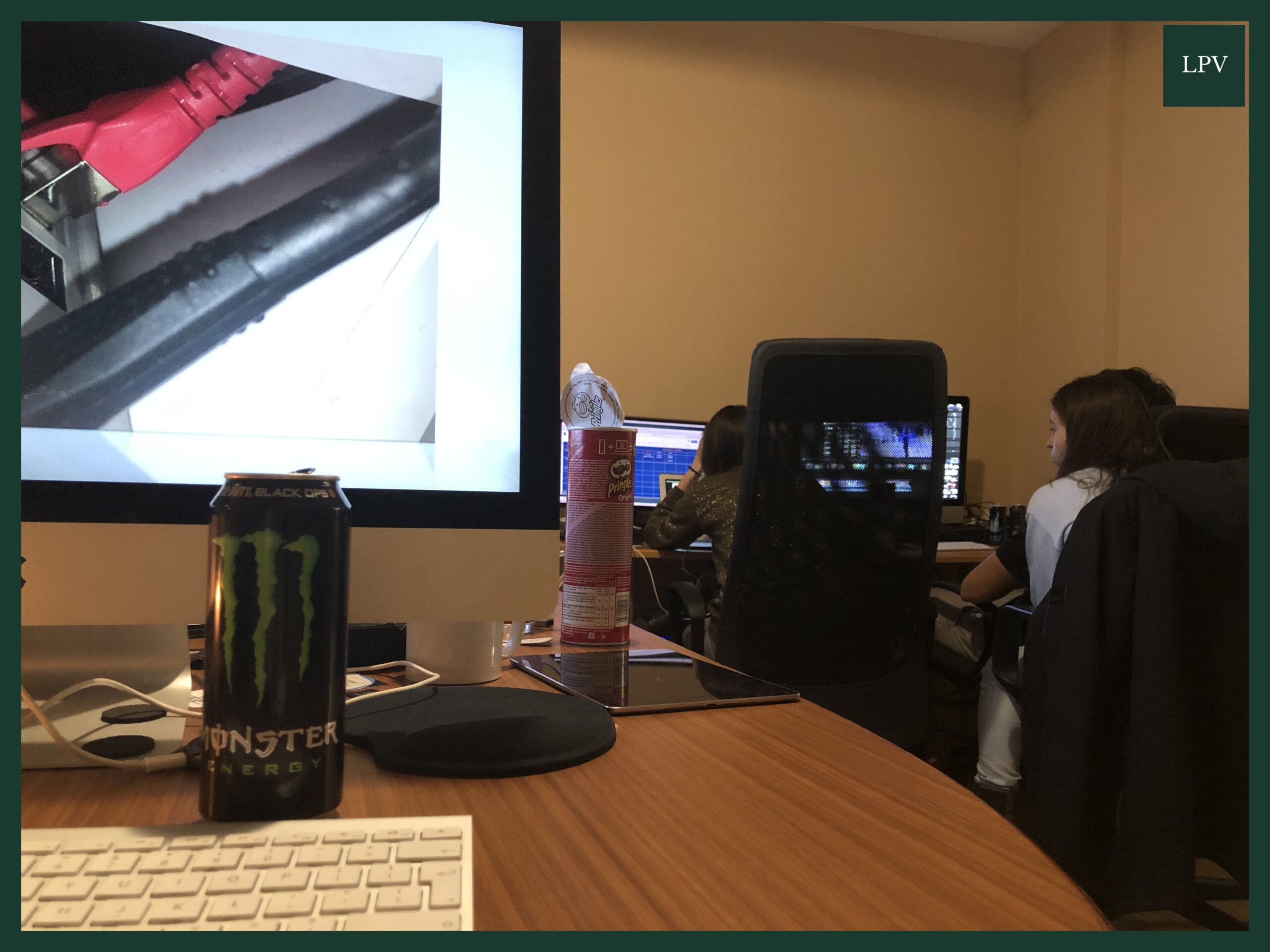
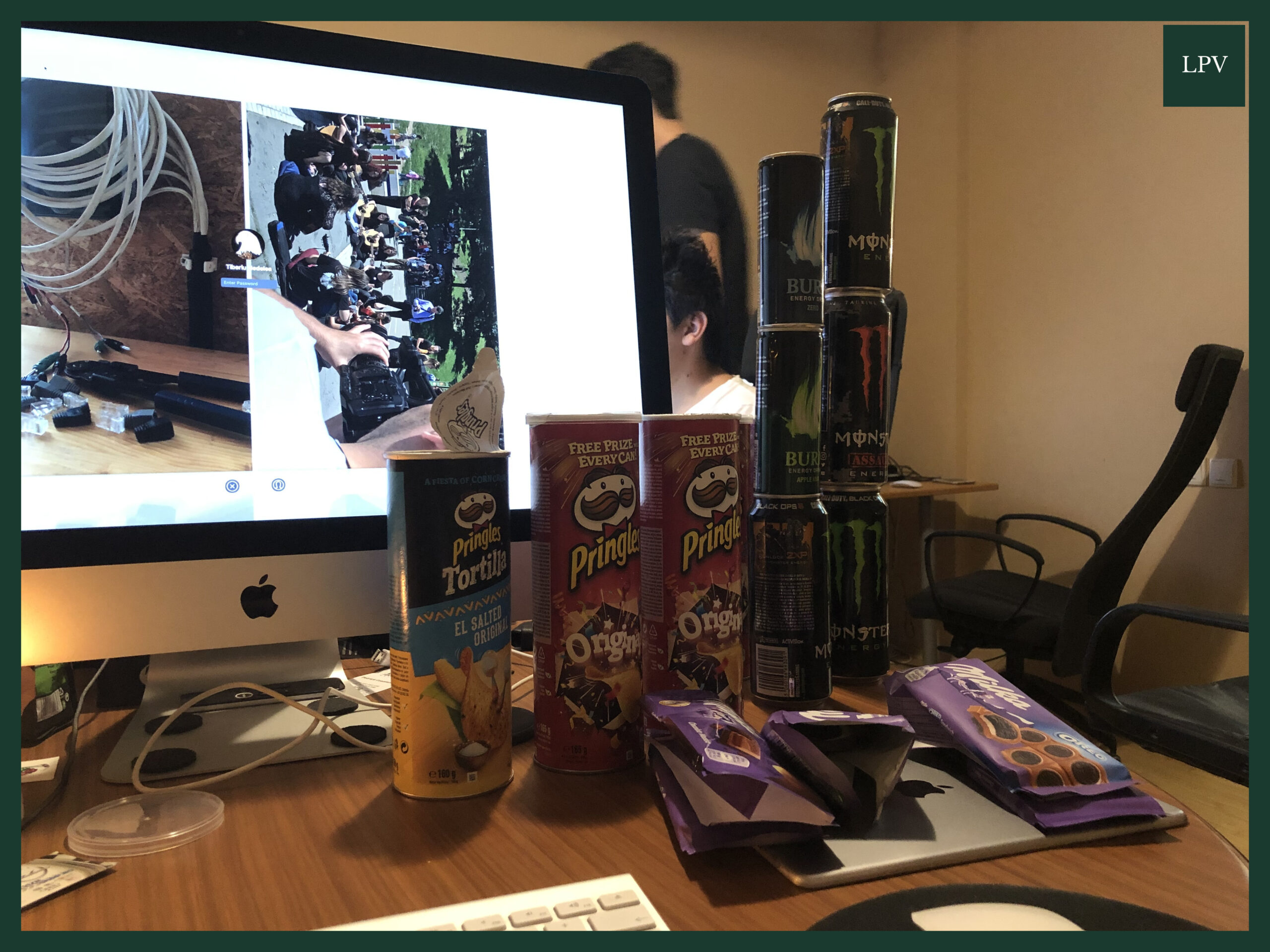
I remember nights when our team worked until 2 a.m. to finish a project. The drinks and snacks left on the office desk tell part of that story: it was a busy night, though not a routine I would call healthy.
What stayed with me was the importance of preparation when things do not go to plan. At LPV Agency, that lesson shaped how we approached both equipment and teamwork.
The 2 a.m. finish: what does your organisation stand for?
A late night can reveal how a team responds when a project needs an extra push. For me, the question is whether people believe in the work, support one another and have what they need to finish it properly.
That does not mean treating exhaustion as a business strategy. It means thinking honestly about how you prepare for busy periods and whether your team has the support to handle them.

Why we carried an identical spare camera
On photo and video jobs, we packed a second, identical camera. If the first one would not power on for a technical reason, another was ready in the bag.
We also carried at least four memory cards for each device and always took two laptops. A corrupt card or a laptop hard drive failure could otherwise bring the work to a stop.
Those backups gave us alternatives for problems we could not predict precisely. We did not need to know which piece of equipment might fail to prepare for the possibility.
Give people backups and the freedom to act
Equipment is only part of the plan. A team working away from the office might lose reception just as a battery fails or a camera develops a fault.
If every decision requires a call to the owner, the people closest to the problem may be unable to move forward. I believe they need both alternatives and the trust to use their judgement, without being punished for trying to solve an issue.
How does this work?
Start by looking at the work your team must complete and the failures that could prevent it. For a production job, that might mean checking cameras, batteries, memory cards and laptops before leaving.
Then agree on who can make decisions on location. Make sure the team knows which alternatives are available and what they can do if they cannot reach the office.
Who is this for?
This approach is useful for any business whose people work away from the owner or depend on equipment to deliver a job. It is especially relevant to photo and video teams, where a technical fault can interrupt a shoot.
For businesses looking for done-for-you social media in London, reliability also matters beyond the shoot. LPV Agency helps UK businesses build a consistent presence: clients record two minutes of video per week, while LPV handles strategy, editing and posting.
What does it cost?
The cost depends on the equipment and alternatives your work requires. An extra memory card, a spare camera and a second laptop are different investments, so assess them against the consequences of being unable to finish a job.
Preparing people can also involve time: explain the available options and agree on decision-making responsibilities before the work starts.
What are the risks?
Without a backup, one failed device can delay or stop a project. Without clear authority, a team may have the tools to fix a problem but feel unable to act.
There is also a risk in relying on late nights to compensate for poor preparation. Backups and clear decisions help teams respond to setbacks; they should support sustainable working practices.
Key takeaways
- Carry a usable alternative for equipment your job depends on.
- Consider data and storage failures as well as camera faults.
- Place decisions as close as possible to the work being done.
- Build trust so team members can solve problems independently.
Implementation checklist
- List the equipment and information essential to your next job.
- Identify what the team will do if each essential item fails.
- Pack and check spare cameras, batteries, cards or laptops where appropriate.
- Tell the team which decisions they can make without calling the office.
- Review what worked after the job and update the plan.
Common mistakes
- Assuming essential equipment will work simply because it worked last time.
- Bringing a backup without checking that the team can use it.
- Expecting a team to call for every decision when reception may be unavailable.
- Treating long hours as a substitute for preparation.
Prepare your team before the next job
Reliable work starts with giving people practical alternatives and the confidence to use them. Before your next project, ask whether one equipment failure or one unanswered call could stop your team.
If you want support with consistent video marketing for your UK business, speak to Alex and the team at LPV Agency about a social media autopilot service.
FAQ: Practical Questions People Ask
What is the fastest way to apply Build Backups Into Every Job: A Production Lesson for UK Businesses in a real business?
Start with one repeatable workflow, define the outcome, and automate only that part first. For example: I remember nights when our team worked until 2 a.m.
to finish a project. The drinks and snacks on this desk tell part of that story.
It was a busy night, and not a routine I would call healthy. What stayed with me was how much good preparation matters when things do not go to plan.
On photo and video jobs, we carried an identical spare camera. If one would not turn on, another was ready in the bag.
How does this approach improve consistency and trust?
It creates a repeatable publishing cadence with clearer messaging and fewer manual delays, which improves audience confidence over time.
Do small teams need expensive tools to implement this?
No. A lightweight stack can work if it covers recording, editing, scheduling, and analytics with a clear process and ownership.
What should be measured first to validate results?
Track output consistency, content completion time, and conversion indicators (qualified leads, booked calls, or sales conversations).
Why is LPV Agency focusing on this strategy?
Because it reduces execution friction while improving visibility and lead quality. The goal is practical growth, not vanity metrics.