
From One Location to Six: Photographing Pizza Station’s Growth
TL;DR
- Pizza Station grew from one location to six, giving LPV Agency the opportunity to document its food, people and working environment.
- The shoots captured pizza details alongside the ovens, boxes and equipment behind the scenes.
- Other memorable client projects included bright product photography for COVRIG to go.
- Businesses can start creating useful content with their products, their team or a familiar moment from the working day.
What Is This? (Short Answer)
This is a look at LPV Agency’s work documenting Pizza Station as the business grew from one location to six.
For Alex and the LPV team, it was one of several enjoyable food projects that showed how much character there is to capture in a busy working environment.
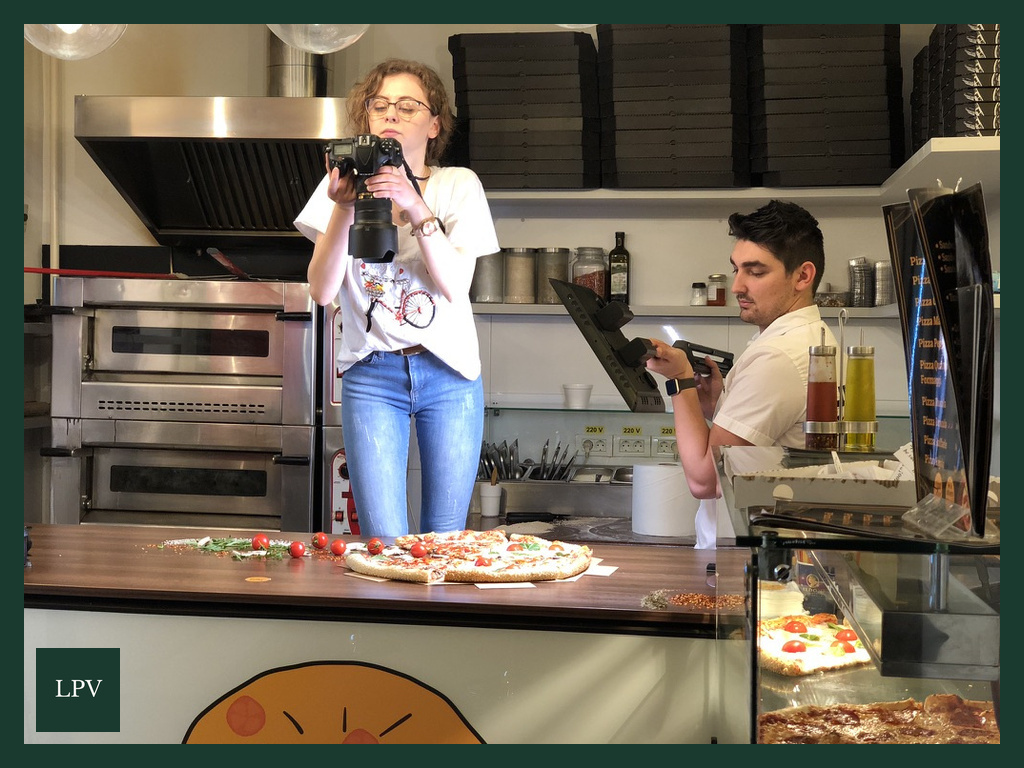
Pizza Station’s shoots brought cameras and monitors behind the counter, where they shared space with fresh pizzas, hot ovens and stacks of boxes. The result was a chance to tell a story through the details customers recognise and the work they might not usually see.
One Location Grew to Six
Moving from a single location to six is a significant chapter for a pizza franchise. For LPV Agency, being involved meant spending time with a business doing what it does best.
Alex remembers the work as both interesting and fun: a chance to see the difference that growth makes while creating content around the food and the people behind it.
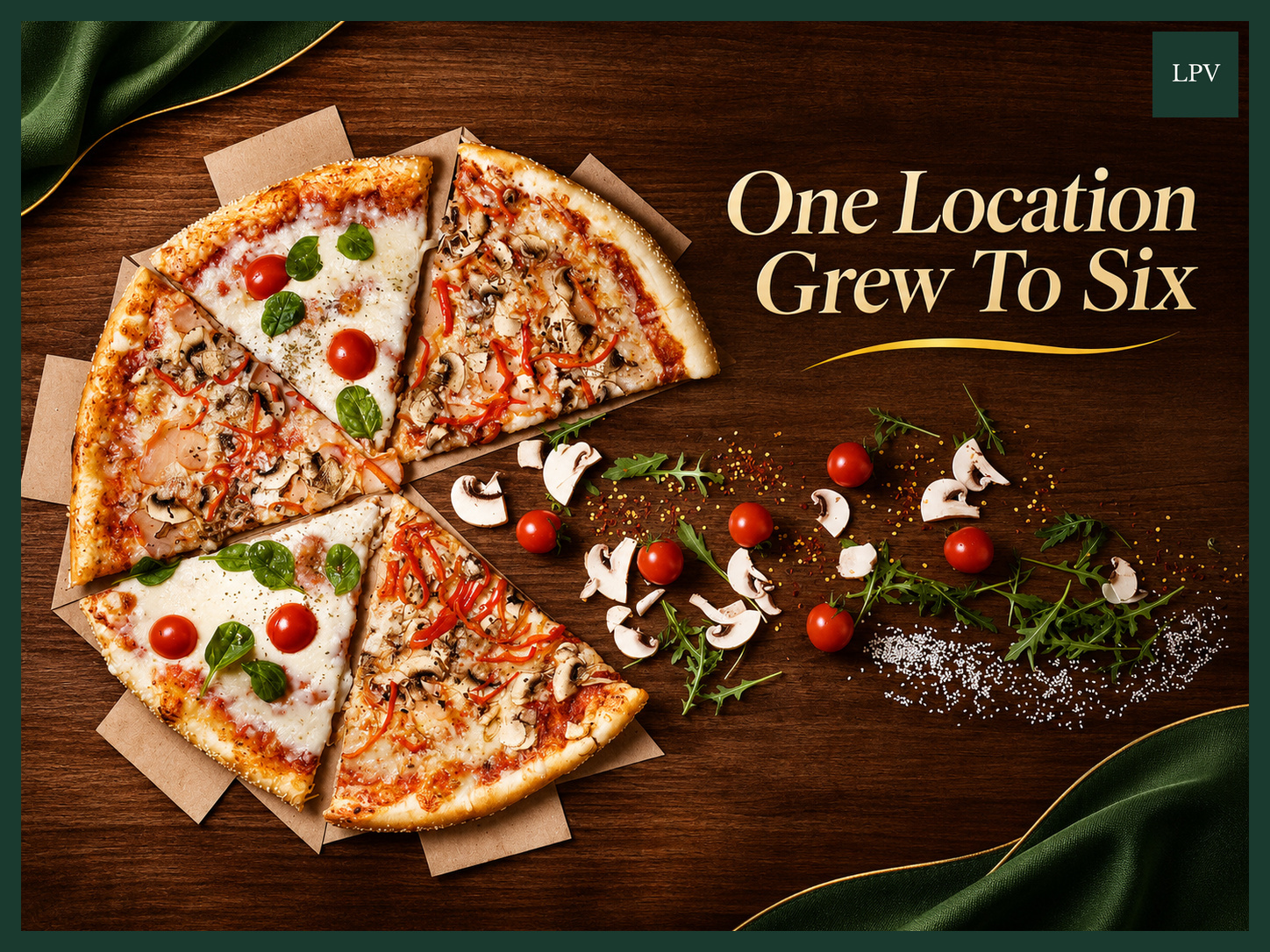
Food Worth Bringing Closer
The finished images put the pizzas at the centre of the story. Tomato and basil, mushroom toppings and fresh ingredients gave each shot its own texture and colour.
For a food business, those familiar details can be a strong starting point: show customers the products they already enjoy, with enough care to make them want another look.
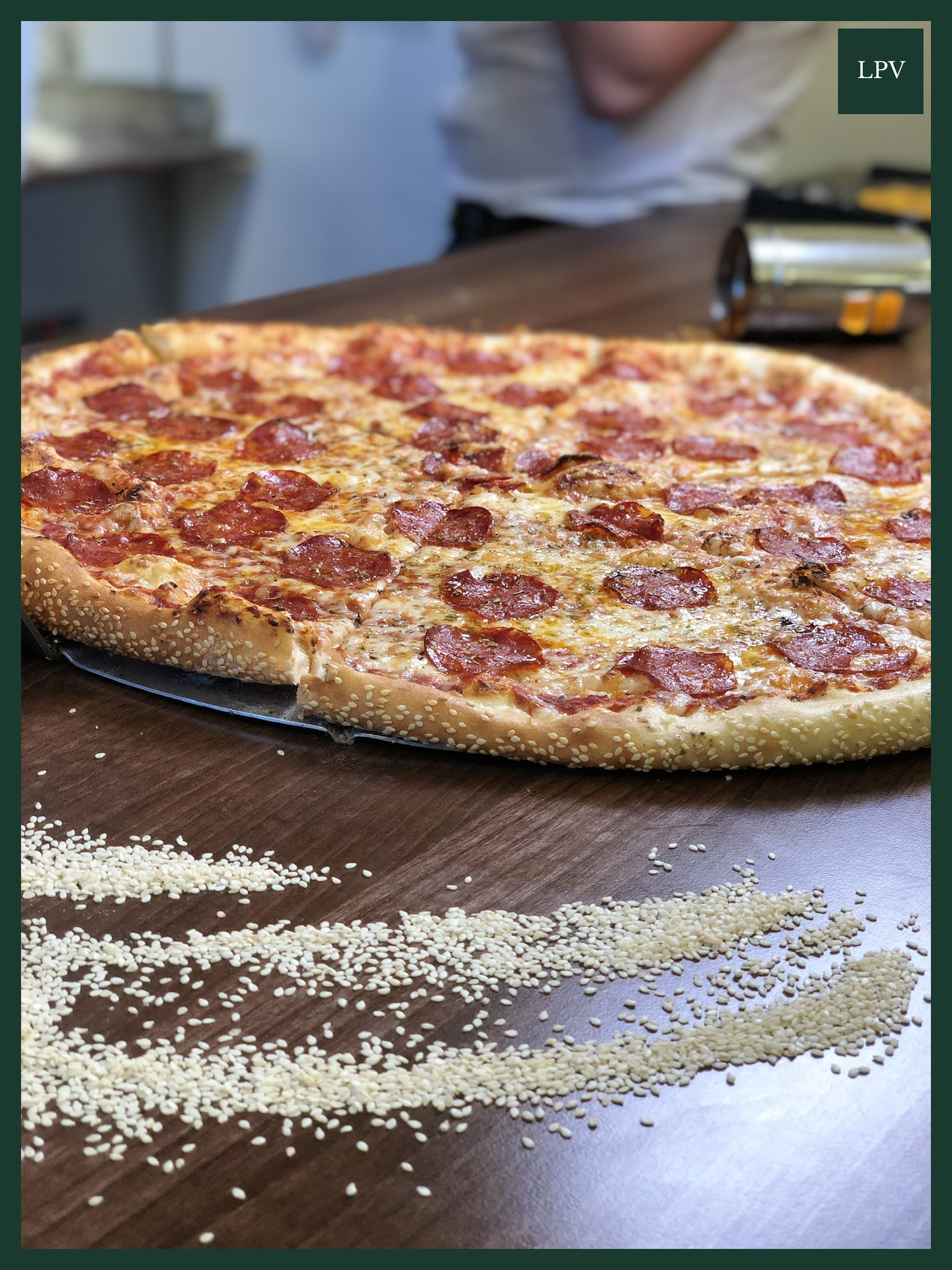
Details That Make a Pizza Distinctive
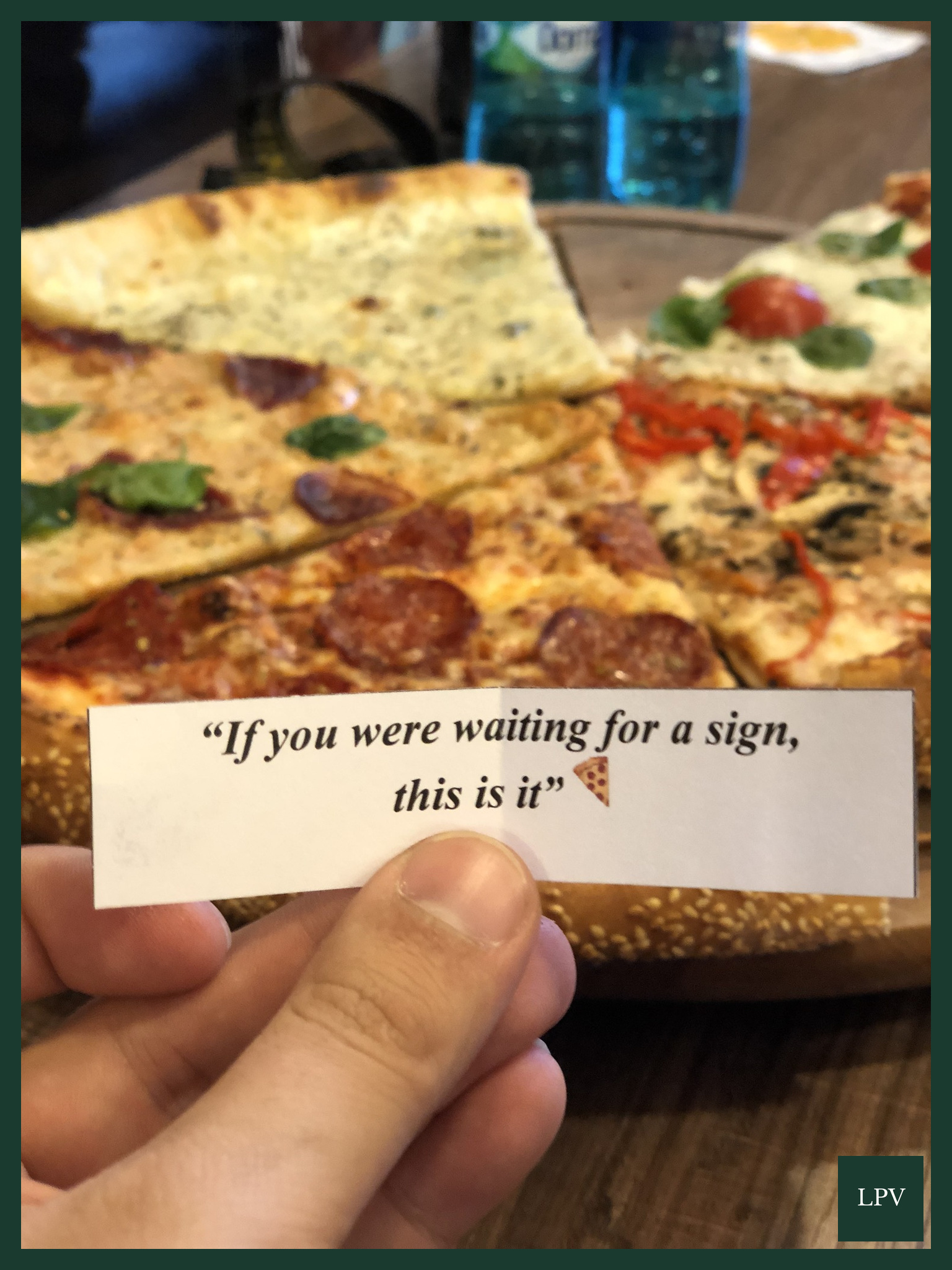
A pepperoni pizza with a sesame seed crust offered another detail worth capturing. The crust gave the image something specific to focus on, alongside the toppings customers expect to see.
Small product details can help a business show what makes its offering recognisable, whether that is a recipe, a finish or the way something is served.
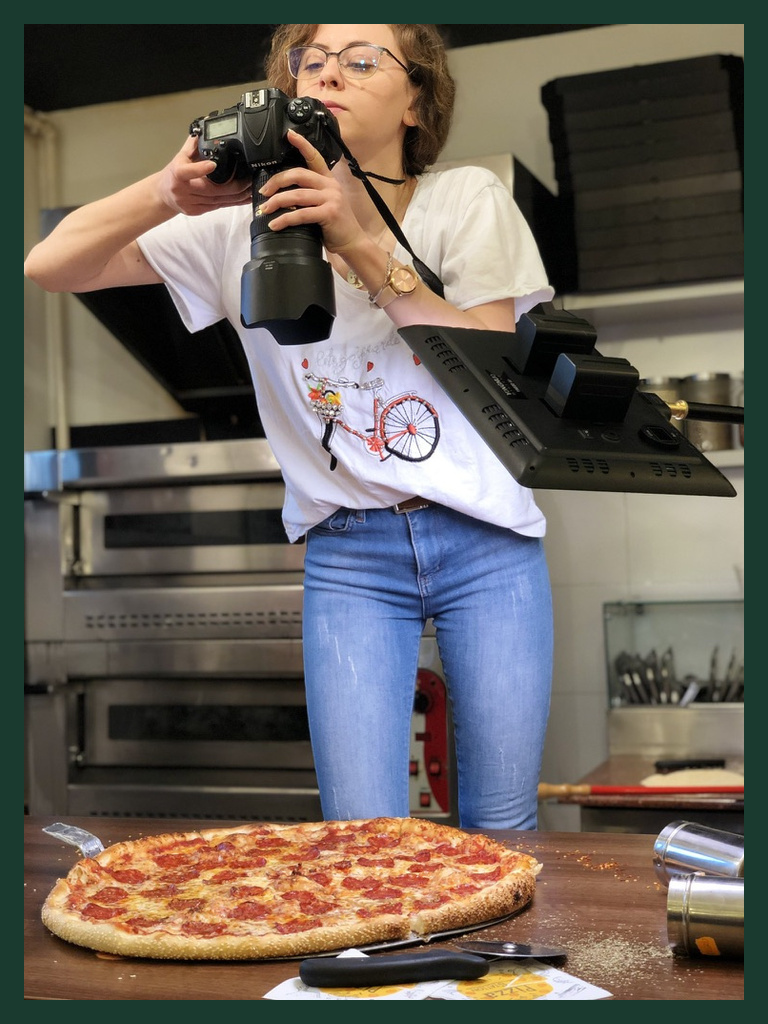
Behind the Counter
The setting was part of the story too. Cameras and monitors sat among ovens, pizzas and stacks of boxes, bringing the production setup into the middle of a working food business.
Those behind-the-scenes moments give viewers a sense of the energy involved in getting food ready. They also show the people and processes that sit behind the finished product.
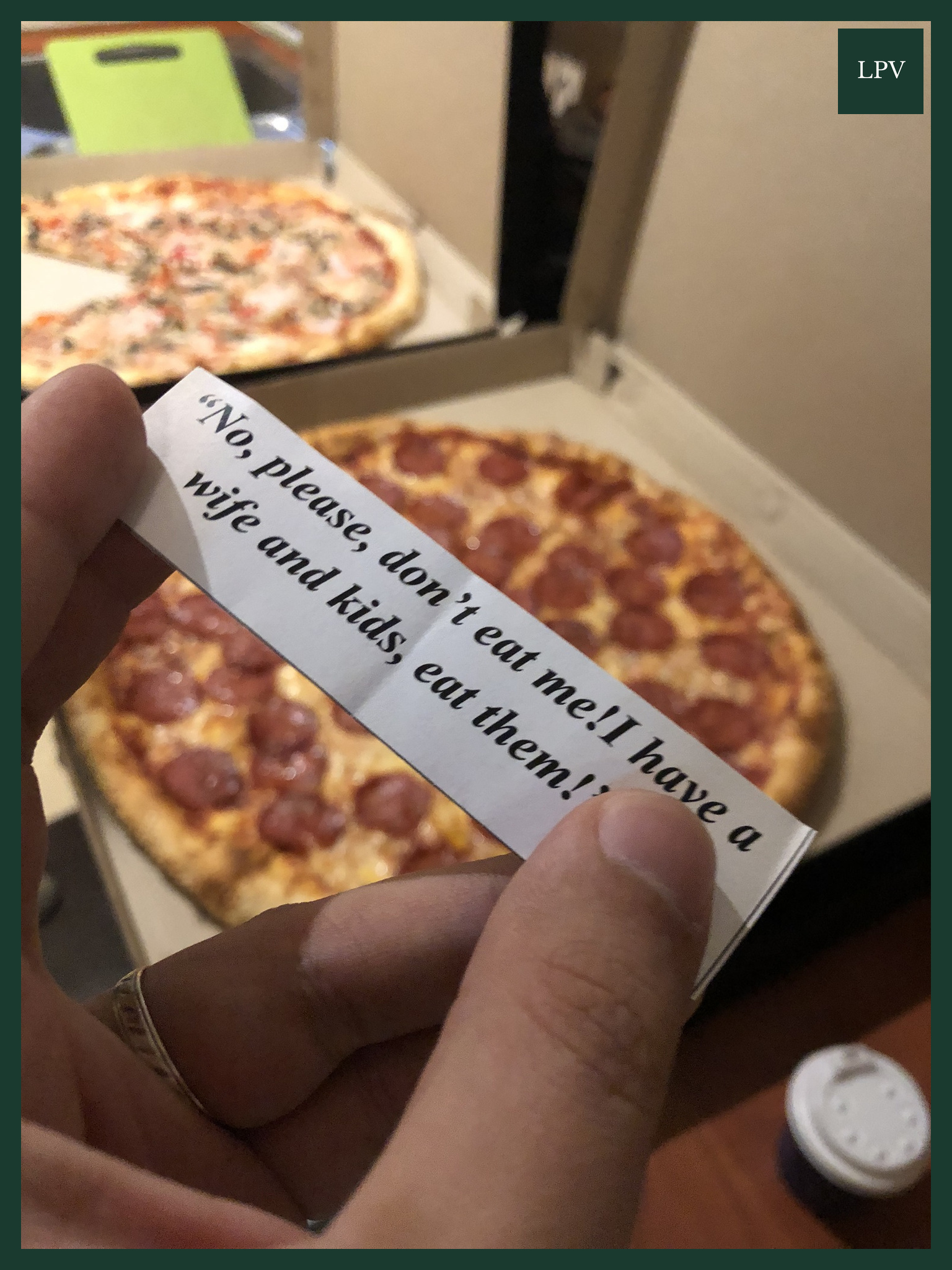
A Playful Sign
One printed card added a lighter touch: “If you were waiting for a sign, this is it.” It gave the content a playful moment alongside the food photography.
A short line like that can contribute to the personality of a shoot. It is a reminder to look around the premises for details that already reflect how a business speaks to its customers.
The People Making It Happen
Pizza Station’s story was about more than what arrived on the table. It was also about the people making the food and the lively setting in which they worked.
Showing those parts of the day can help customers connect a product with the team behind it. For a growing business, that human detail gives the story somewhere to start.
Making Room for Everyday Moments
A shoot does not need to invent a story when there is already one unfolding during the working day. At Pizza Station, the counter, ovens and boxes helped establish the setting around the finished food.
Look for moments that feel natural to your business: preparation before opening, a product coming together or a team member doing a familiar task.
More Memorable Food Projects
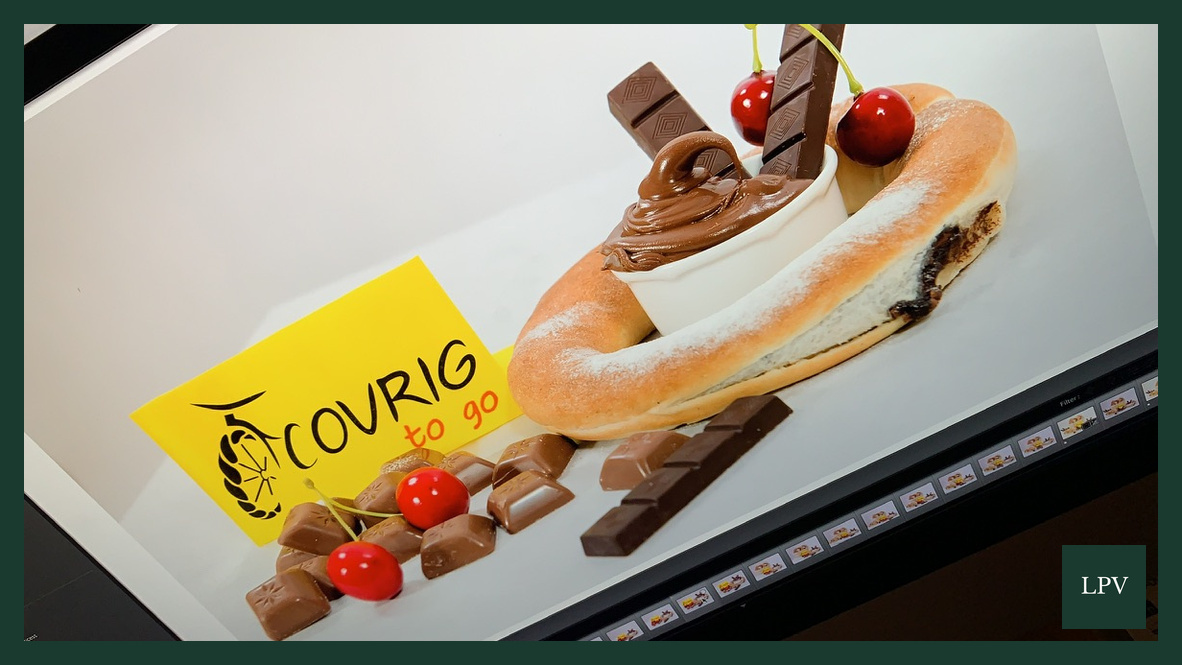
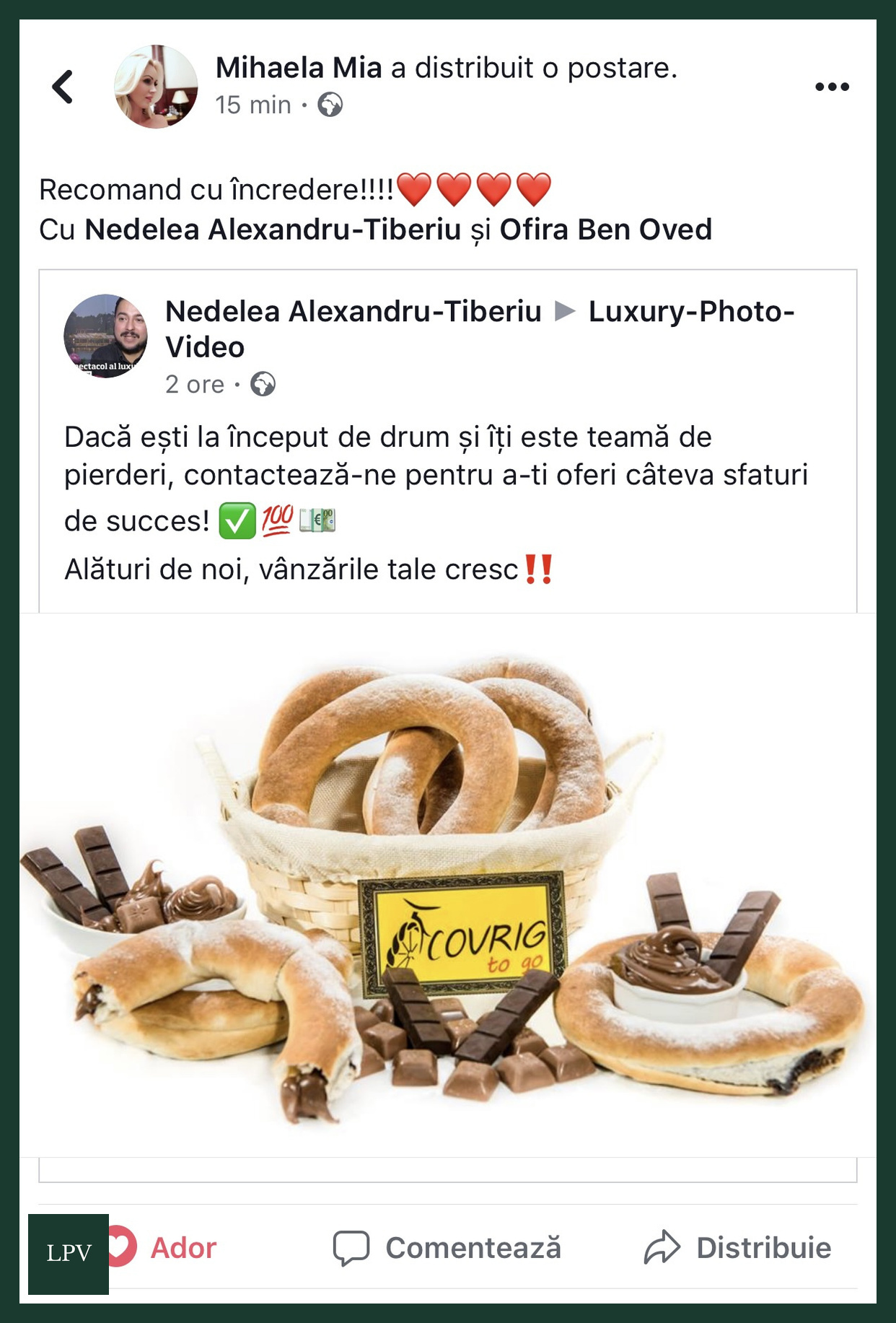
Pizza Station was one of the great clients LPV Agency enjoyed working with along the way. Another was COVRIG to go, whose chocolate-filled pastries appeared in bright product photography.
Each food business has its own details to bring forward. For COVRIG to go, the pastries themselves offered a clear focus for colourful, appetising content.
Start With What Customers Enjoy Seeing
The practical lesson from these shoots is straightforward: begin with something real. That might be the product on the table, the person making it or a moment from the working day.
Those subjects can give a business a useful foundation for photographs and video, whether it serves customers in Harold Wood, Romford, London or elsewhere in the UK.
How Does This Work?
LPV Agency provides video marketing for UK businesses that want a more manageable way to stay visible. Its social media autopilot service asks clients to record two minutes of video per week, while LPV handles strategy, editing, posting and consistency.
A business can use those recordings to share the same kinds of stories seen in the Pizza Station project: what it makes, who makes it and what happens during the working day.
Who Is This For?
It is for business owners who understand the importance of marketing but would rather spend their time running the business. Food businesses, local teams and other UK companies can all start with the work their customers already value.
What Does It Cost?
Pricing is not specified here. Contact LPV Agency to discuss your business, the content you need and the appropriate scope of work.
What Are the Risks?
Content can feel repetitive if it shows only finished products and leaves out the people and setting behind them. It can also become difficult to sustain if creating it takes too much time from the working day.
A simple plan, built around subjects already present in the business, can make regular content more practical.
Key Takeaways
- Business growth provides a meaningful story, as Pizza Station’s move from one location to six shows.
- Specific details, such as a sesame seed crust or chocolate-filled pastry, make food content more memorable.
- People, equipment and surroundings add context to product images.
- A playful piece of wording can reveal another side of a brand.
Implementation Checklist
- Choose one product customers already enjoy seeing.
- Note a distinctive detail you can show clearly.
- Capture a moment of preparation or a glimpse behind the counter.
- Include the people involved, with their agreement.
- Set a manageable routine for collecting and sharing content.
Common Mistakes
- Waiting for a major announcement before sharing anything.
- Showing only the final product and missing the work behind it.
- Overlooking the small details that give a business its character.
- Making the content routine too demanding to maintain.
Bring Your Working Day Into View
From Pizza Station’s growth to six locations to COVRIG to go’s bright pastry photography, these projects gave LPV Agency the chance to document businesses through the food and details that make them distinctive.
If you are looking for done for you social media in London or a practical way to share your business story across the UK, contact LPV Agency to discuss what you could create together.
FAQ: Practical Questions People Ask
What is the fastest way to apply From One Location to Six: Photographing Pizza Station’s Growth in a real business?
Start with one repeatable workflow, define the outcome, and automate only that part first. For example: Pizza Station’s growth from one location to six gave us a chance to document a business doing what it does best.
It was one of the projects LPV Agency enjoyed being part of, with shoots that were as memorable as the food. Behind the counter, cameras and monitors shared space with fresh pizzas, ovens and stacks of boxes.
How does this approach improve consistency and trust?
It creates a repeatable publishing cadence with clearer messaging and fewer manual delays, which improves audience confidence over time.
Do small teams need expensive tools to implement this?
No. A lightweight stack can work if it covers recording, editing, scheduling, and analytics with a clear process and ownership.
What should be measured first to validate results?
Track output consistency, content completion time, and conversion indicators (qualified leads, booked calls, or sales conversations).
Why is LPV Agency focusing on this strategy?
Because it reduces execution friction while improving visibility and lead quality. The goal is practical growth, not vanity metrics.