
Brain Surgery in 3D Full HD: Behind a Specialist Hospital Livestream
TL;DR
- LPV Agency produced a dedicated 3D Full HD livestream for one of Europe’s leading hospitals.
- The procedure was brain surgery performed through the nose, making it an unusual project for the team.
- Clinical expertise, production planning and attention to visual detail came together in the operating theatre.
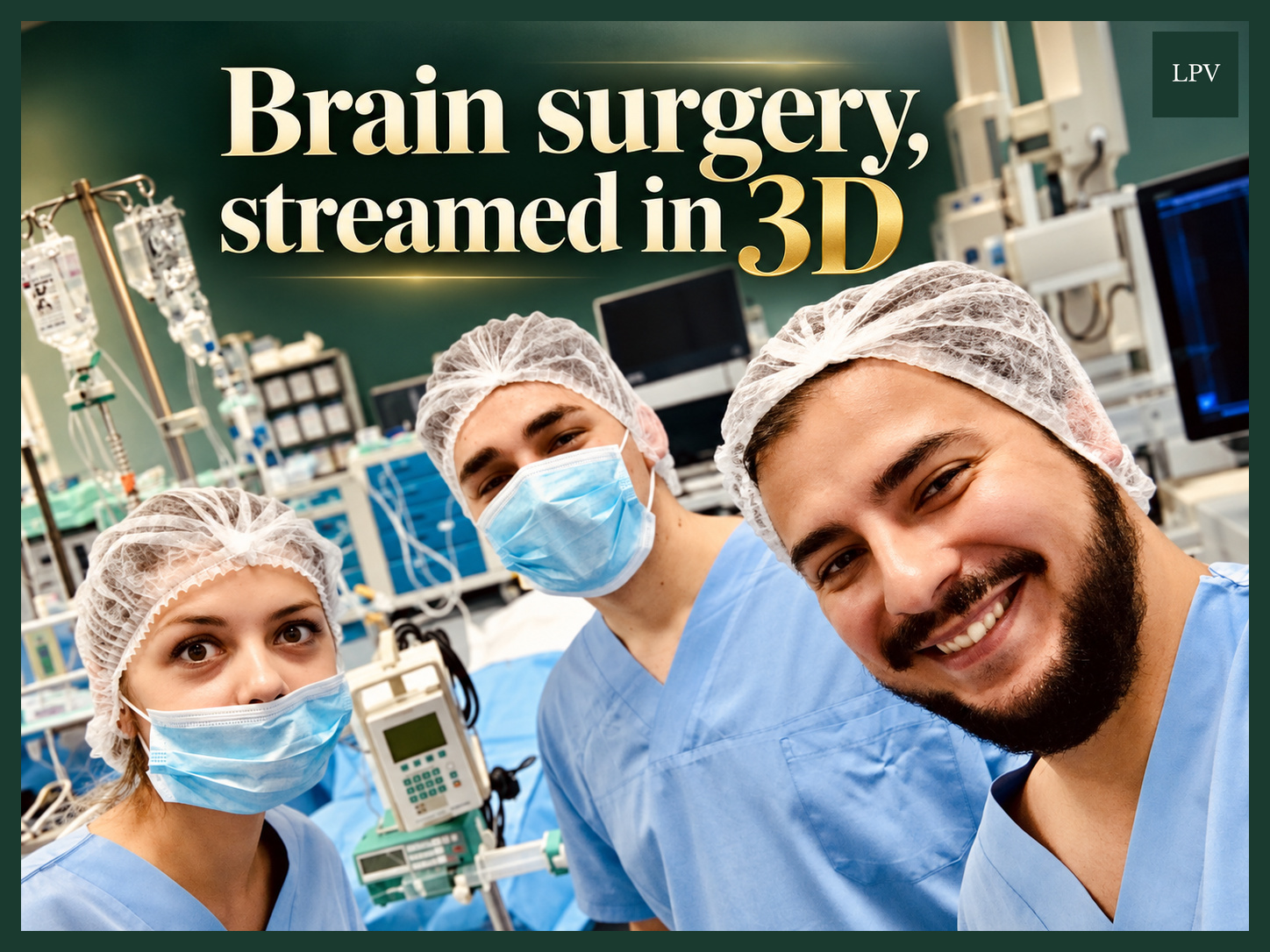
- A behind-the-scenes team selfie captures the people involved; it does not show the surgery.
What Is This? (Short Answer)
This was a dedicated 3D Full HD livestream of brain surgery performed through the nose for a leading European hospital. LPV Agency brought specialist video production into a clinical environment to help share the procedure with an audience.
For Alex and the LPV Agency team, it was a project well outside the usual expectations of video marketing for UK businesses. The setting demanded close attention to what viewers needed to see and how the production would fit around clinical work.
Brain Surgery Through the Nose: An Unusual Production Brief
“That is no brain surgery—well, actually it was!” is how Alex recalls the project. The procedure was carried out through the nose, a detail that made the assignment particularly memorable.
The brief brought two specialist disciplines into the same room: a clinical team carrying out complex work and a production team preparing to share it in 3D Full HD. The aim was to make a highly detailed procedure visible to people beyond the operating theatre.
Why 3D Full HD Mattered to the Livestream
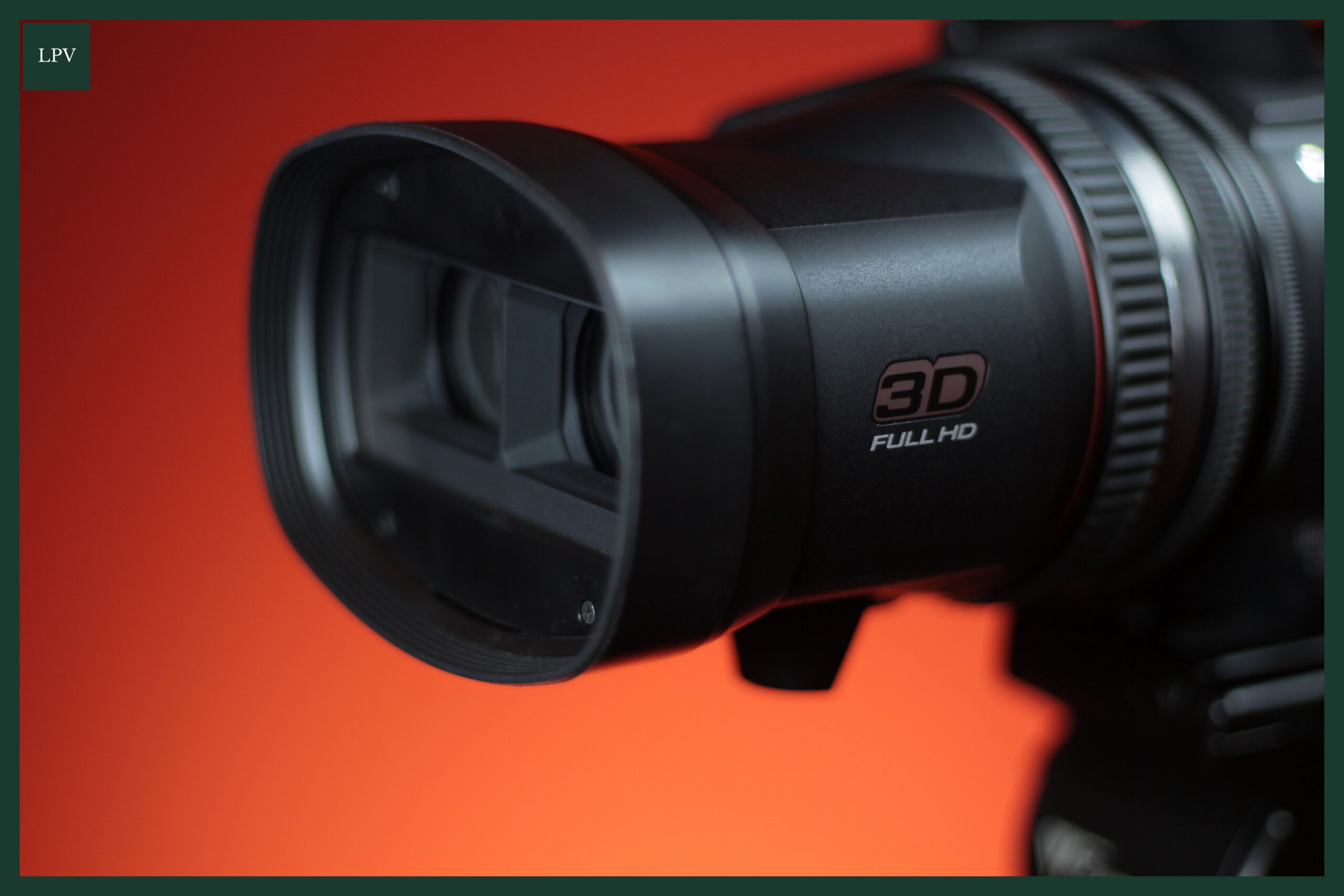
The project centred on a dedicated 3D Full HD livestream. In a clinical setting, the value of the video depends on whether the audience can follow the details relevant to the procedure.
That makes the audience a useful starting point for any hospital considering a specialist broadcast. Before choosing a format, teams need to establish who will watch, what they need to see and how the clinical work can be shared clearly.
The People Behind the Production
One behind-the-scenes image captures three clinicians together in the operating theatre. Wearing blue scrubs, caps and masks, they pose for an informal selfie with monitors and medical equipment behind them.
The photo is a team moment, not a view of the operation. It offers a human glimpse of the people involved in a project that combined clinical expertise with technically ambitious video production.
Planning a Livestream Around Clinical Work
Working in an operating theatre means the production plan must account for the clinical environment. The people performing the procedure and those sharing it need a clear understanding of the schedule, the visual requirements and their respective responsibilities.
For LPV Agency, the project shows how much planning matters alongside the technology. A 3D Full HD stream is only useful when the approach supports the audience’s needs and fits the work taking place.
How Does a Specialist Hospital Livestream Work?
A useful starting point is a conversation between the hospital’s clinical and communications teams and the video production team. Together, they can define the intended audience, the views needed and the practical arrangements for the operating theatre.
The production team can then plan the capture and livestream around those requirements. The precise setup will depend on the procedure, the location and the hospital’s own policies.
Who Is This For?
Specialist livestreaming may be relevant to hospital communications teams, clinicians and organisations looking to share complex clinical work with an audience. The right approach depends on what that audience needs to learn or observe.
LPV Agency also works in video marketing for UK businesses, helping organisations communicate their expertise. Its social media autopilot service is designed around clients recording short weekly videos while the agency handles the wider content process.
What Does It Cost?
Costs depend on the production requirements, including the location, format, equipment and scope of the livestream. A hospital considering a project can request a tailored quote once the audience and technical needs are clear.
What Are the Risks?
Clinical livestreams require careful consideration of patient privacy, consent, security and the hospital’s policies. Technical disruption and views that fail to show the necessary detail can also affect the audience’s experience.
These considerations should be addressed with the hospital and production team during planning, with clinical requirements guiding decisions in the operating theatre.
Key Takeaways
- The project involved brain surgery performed through the nose and shared via a dedicated 3D Full HD livestream.
- It was produced for one of Europe’s leading hospitals.
- The team selfie shows clinicians in the operating theatre, not the procedure itself.
- Audience needs and clinical coordination should shape the production plan.
Implementation Checklist
- Identify the intended audience and what they need to see.
- Agree on the procedure’s visual requirements with the clinical team.
- Discuss consent, privacy, security and hospital policies.
- Plan the production setup around the theatre and clinical schedule.
- Test the livestream setup and agree on a response to technical problems.
Common Mistakes to Avoid
- Choosing a video format before defining the audience’s needs.
- Assuming a behind-the-scenes photo shows the procedure itself.
- Leaving clinical coordination or privacy discussions until late in planning.
- Focusing on equipment without considering whether viewers can follow the work.
Share Specialist Work With Clarity
From an unusual surgical approach to a friendly team moment in theatre, this project brought people, planning and 3D Full HD technology together. It is a reminder that clear communication starts with understanding both the work and the audience.
If your hospital or organisation is considering a specialist video project, contact LPV Agency to discuss what you want to share and who needs to see it.
FAQ: Practical Questions People Ask
What is the fastest way to apply Brain Surgery in 3D Full HD: Behind a Specialist Hospital Livestream in a real business?
Start with one repeatable workflow, define the outcome, and automate only that part first. For example: The procedure was carried out through the nose, making this an unusual project for our team.
LPV Agency worked on a dedicated 3D Full HD livestream for someone we worked with’s leading hospitals. It brought specialist video production into a clinical setting where detail and planning mattered.
How does this approach improve consistency and trust?
It creates a repeatable publishing cadence with clearer messaging and fewer manual delays, which improves audience confidence over time.
Do small teams need expensive tools to implement this?
No. A lightweight stack can work if it covers recording, editing, scheduling, and analytics with a clear process and ownership.
What should be measured first to validate results?
Track output consistency, content completion time, and conversion indicators (qualified leads, booked calls, or sales conversations).
Why is LPV Agency focusing on this strategy?
Because it reduces execution friction while improving visibility and lead quality. The goal is practical growth, not vanity metrics.