
What a 5% Discount Can Really Cost Your Profit
TL;DR
- A 5% price cut can reduce profit by much more than 5% when your costs stay the same.
- Before changing a price, find out what the customer values and what result they need.
- Reliability, service and competence can matter as much as the price on a proposal.
- Stepping away from daily work can help you spot sales habits you have stopped questioning.
What Is This? (Short Answer)
This is a practical reflection on value-based selling: understanding the result a customer wants and explaining how you will deliver it before offering a discount.
The idea stayed with me after an Elite Club Directors & CEOs working lunch at Broadway House in Westminster, where Anders Rehnberg of Privilegium Group led a thought-provoking sales training session.
I joined the lunch to exchange perspectives with other business leaders. Hearing from people in healthcare, technology and other sectors gave me a useful chance to look beyond the day-to-day decisions at LPV Agency.
1. Why Can a Small Discount Make Such a Big Difference?
One point from Anders’s session stood out: a small reduction in the selling price can take a much larger share of the profit, depending on the margin. It is easy to focus on the percentage shown to a customer and overlook what remains for the business.
Imagine a service sold for £100 that costs £80 to deliver. Profit is £20; reduce the price by 5% while costs stay at £80, and profit falls to £15—a 25% reduction.
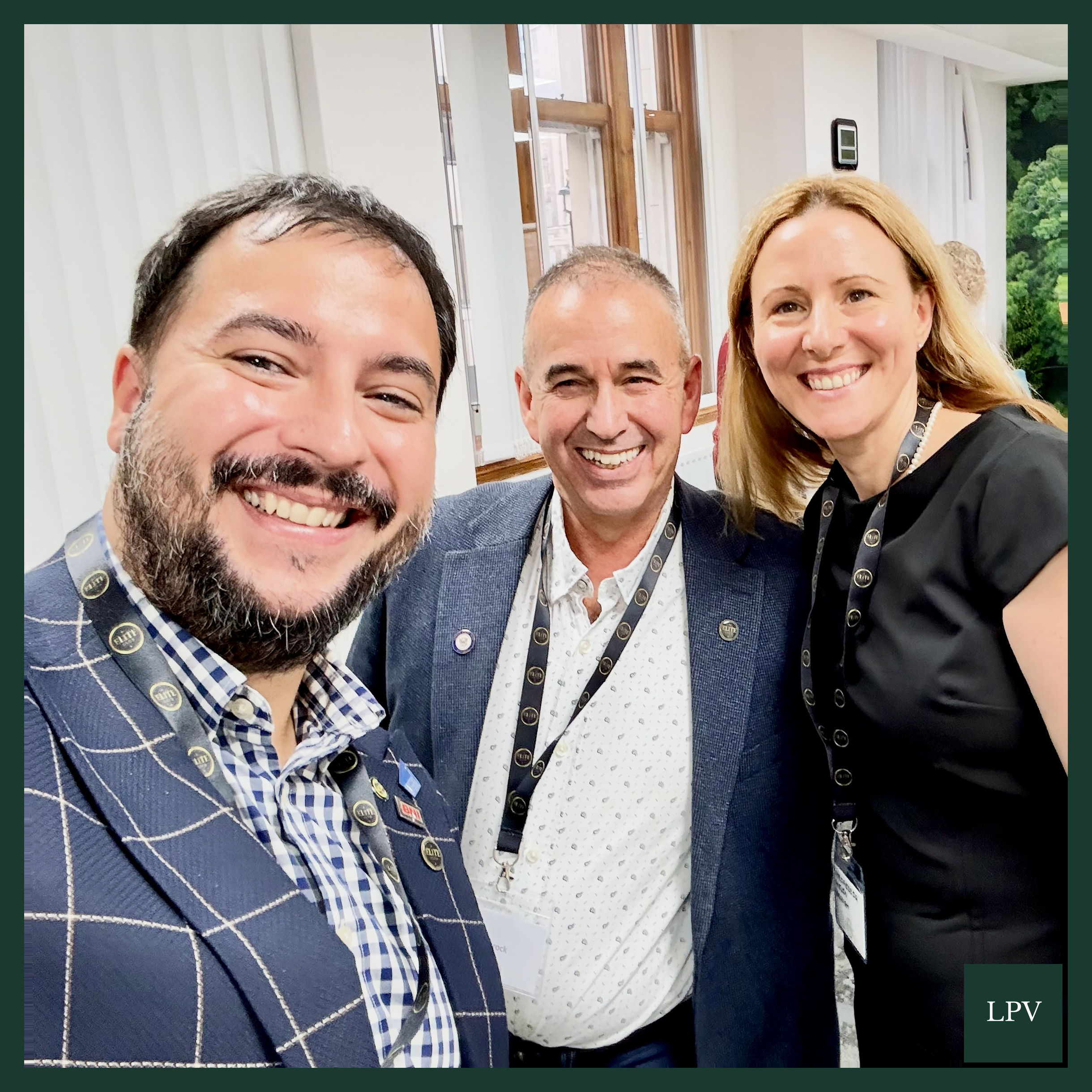
A working lunch prompted a closer look at the numbers behind a familiar sales decision.
2. What Does a Customer Weigh Alongside Price?
Anders’s slide set out factors buyers consider alongside price, including reliability, service, competence and the outcome they need. That list shifted my attention from what a customer is being charged to what they are trying to achieve.
For video marketing for UK businesses, the conversation might include whether a team can maintain a consistent presence and whether the service takes work off the owner’s plate. Those concerns deserve a clear answer before price becomes the centre of the discussion.
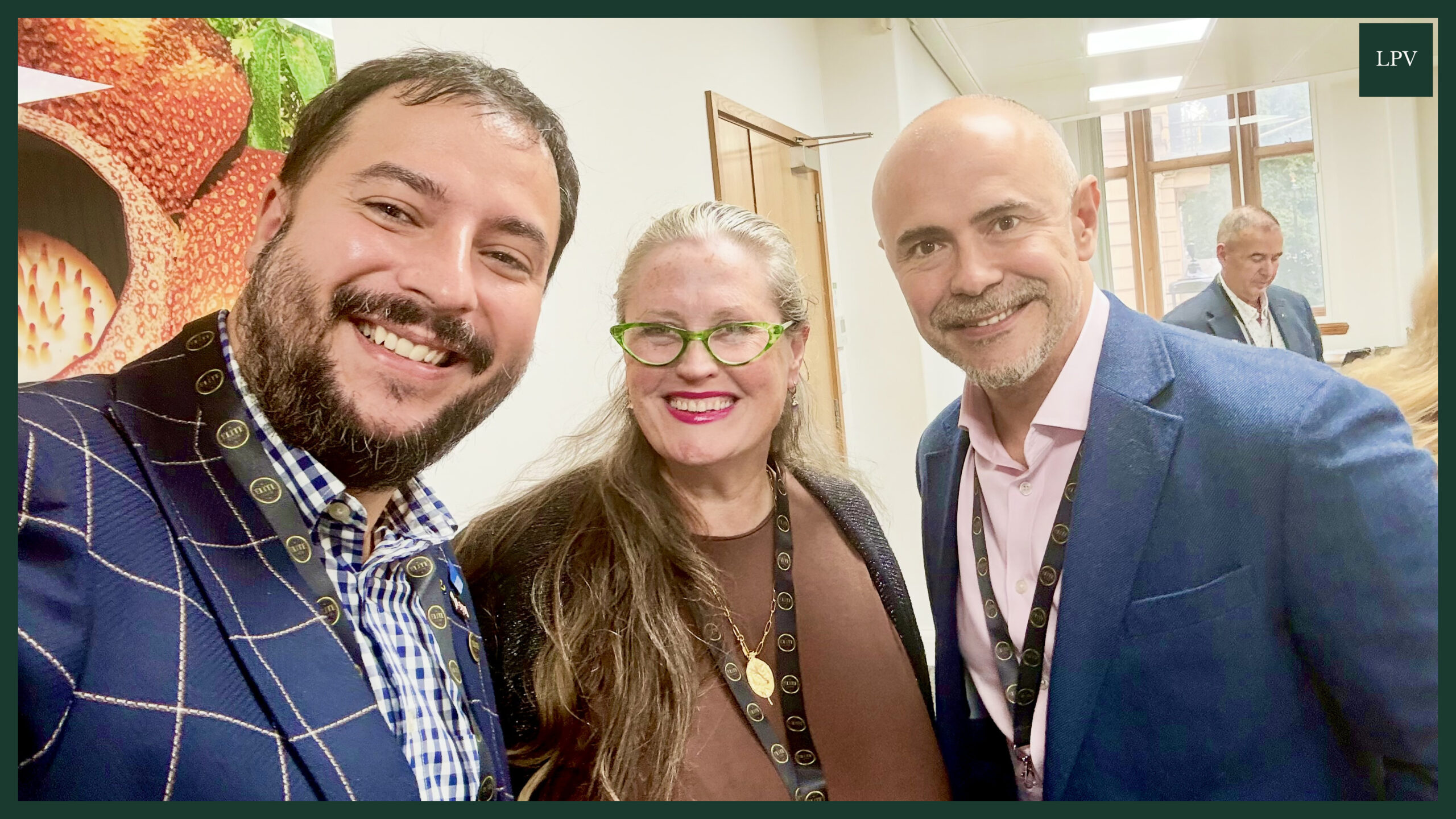
Value-based selling begins with the result the buyer needs.
3. Which Questions Should Come Before a Discount?
I took three questions back to my own sales conversations. They are simple, but answering them properly takes more care than reaching straight for a lower figure.
- What matters most to this customer?
- What result are they trying to get?
- Have I explained the value clearly before offering a discount?
A request for a lower price may point to a concern I have not yet understood. Asking about that concern gives both sides a better basis for deciding what to do next.

Three questions to ask before changing the price.
4. How Does Value-Based Selling Work in Practice?
For me, it starts with listening for the outcome, then connecting the proposed service to it in plain language. If a customer is concerned about reliability or the work involved, a list of features alone may leave their real question unanswered.
At LPV Agency, that means explaining what our social media autopilot service involves: a client records two minutes of video each week, while our team handles the strategy, editing, posting and consistency. The useful conversation is about what that arrangement would enable for their business.
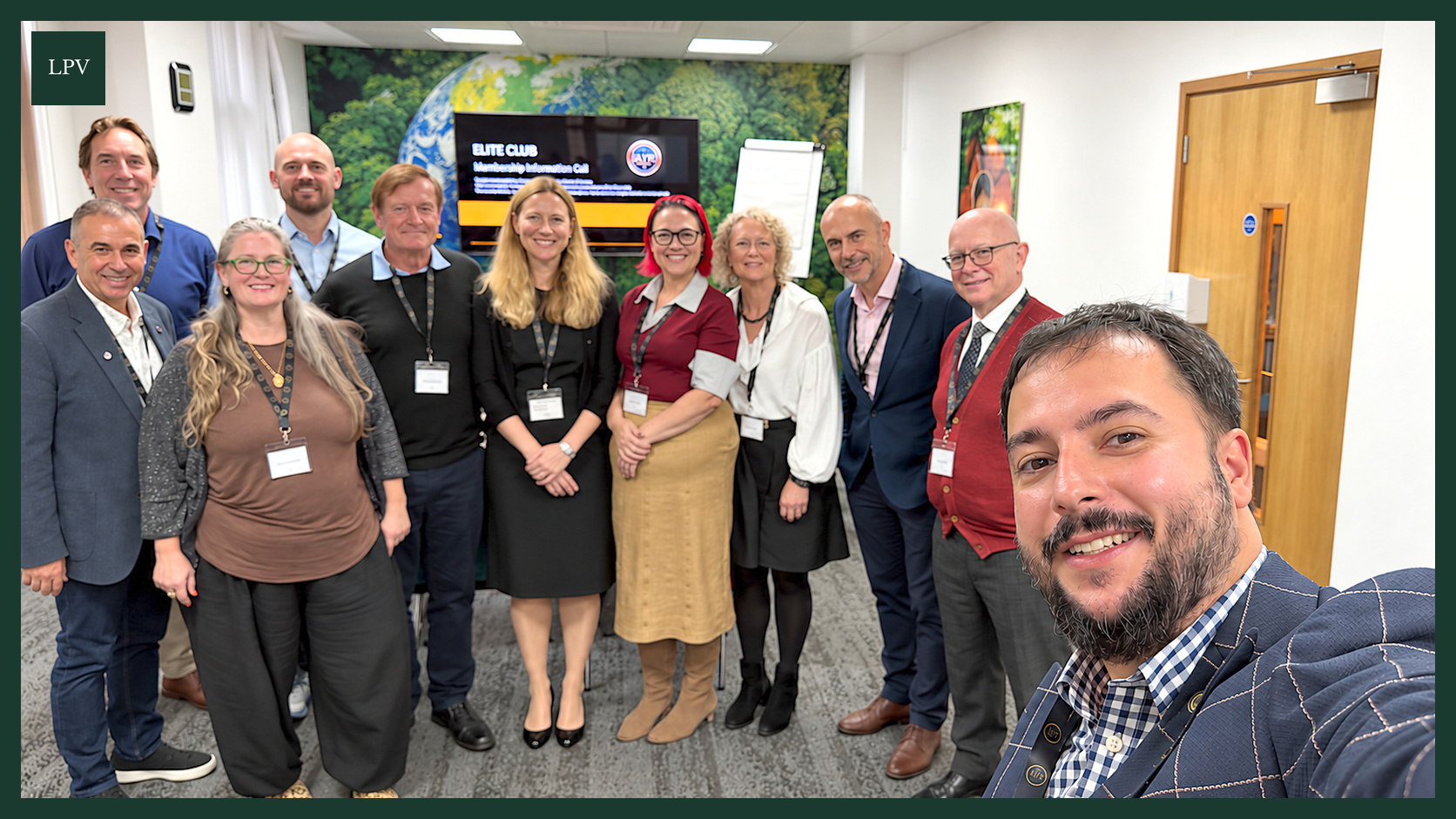
Explain how the service supports the customer’s goal.
5. What Should We Start or Stop Doing?
Our opening discussion asked what we planned to start or stop in our businesses. It was a valuable invitation to question habits that can feel sensible simply because we repeat them.
One habit I want to watch is moving too quickly from a price concern to a discount. I want to spend more time understanding the concern and checking whether I have made the value clear.

The start-or-stop discussion made room to reconsider everyday business habits.
6. Who Helped Shape the Conversation?
Thank you to David Brock for inviting me and bringing everyone together, and to Anders for the training. The different experiences around the table made the afternoon more useful than any one presentation could have been on its own.
It was a pleasure to share the afternoon with Professor Helen Brough of Children’s Allergy Doctors and Gavin Camilleri of Fuse Technology UK. I left with useful questions for my business and conversations I look forward to continuing.
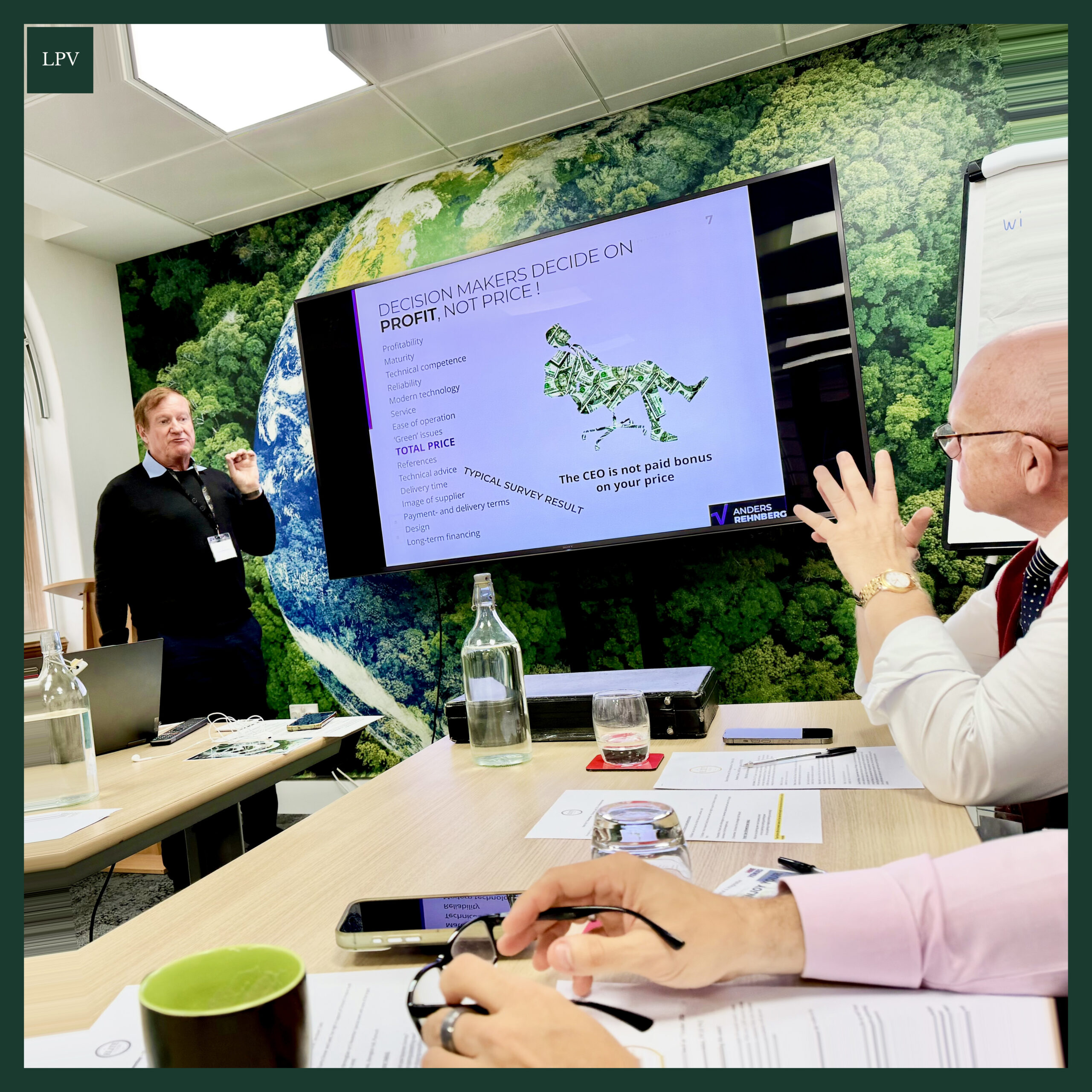
Sharing the Elite Club afternoon with Professor Helen Brough and Gavin Camilleri.
What Are the Risks of Discounting Too Soon?
The immediate risk is arithmetic: when delivery costs stay the same, the discount comes directly out of the amount left after those costs. The other risk is missing the chance to learn why the customer hesitated.
A discount may still be the right decision in a particular conversation. It is easier to make that decision deliberately once the customer’s priorities and the effect on profit are clear.
Key Takeaways
- Calculate the effect of a proposed discount on profit, not just on revenue.
- Ask what the customer values before assuming price is the deciding factor.
- Explain reliability, service, competence and the intended outcome in terms relevant to that customer.
- Make time to question sales habits with people outside your usual day-to-day work.
Implementation Checklist
- Write down the current price, delivery cost and profit for a typical sale.
- Calculate what a 5% discount would leave after those costs.
- Ask the customer what result matters most and what concerns remain.
- Explain how your service addresses those concerns before revisiting price.
Common Mistakes
- Treating a 5% discount as a 5% reduction in profit.
- Describing features without connecting them to the customer’s desired result.
- Offering a discount before understanding the objection.
A Better Conversation About Value
The Westminster lunch reminded me that a price decision is also a listening decision. Before I change a number, I want to understand what the customer needs and whether I have explained the value of meeting that need.
If consistent video marketing is a goal for your UK business, LPV Agency can help you explore whether our two-minutes-a-week approach fits the result you want.
FAQ: Practical Questions People Ask
What is the fastest way to apply What a 5% Discount Can Really Cost Your Profit in a real business?
Start with one repeatable workflow, define the outcome, and automate only that part first. For example: A lower price can take a much larger share of profit than you expect.
That stayed with me after yesterday’s Elite Club Directors & CEOs working lunch at Broadway House in Westminster. Anders Rehnberg of Privilegium Group led a thoughtful session on value-based selling.
His slide set out what buyers weigh alongside price, including reliability, service, competence and the outcome they need.
How does this approach improve consistency and trust?
It creates a repeatable publishing cadence with clearer messaging and fewer manual delays, which improves audience confidence over time.
Do small teams need expensive tools to implement this?
No. A lightweight stack can work if it covers recording, editing, scheduling, and analytics with a clear process and ownership.
What should be measured first to validate results?
Track output consistency, content completion time, and conversion indicators (qualified leads, booked calls, or sales conversations).
Why is LPV Agency focusing on this strategy?
Because it reduces execution friction while improving visibility and lead quality. The goal is practical growth, not vanity metrics.