
Clarfon Hearing Aid Campaign: Putting Patient Care Before the Promotion
A hearing aid campaign can fail when it treats a personal health decision like a product listing.
This Clarfon social media and TV advertising work began somewhere more honest: the audiogram. It kept the story focused on the fact that hearing loss is personal before it becomes a product decision.

TL;DR
- The Clarfon campaign put the patient’s hearing journey before the product promotion.
- It used the audiogram, medical care and family moments to make the message human.
- The Unitron Moxi Fit 9, batteries and accessories appeared as practical support, not isolated sales points.
- Clarfon’s green visual identity created consistency from clinical care through to its 53% sale offer.
What Is This? (Short Answer)
This is a patient-first hearing aid marketing campaign for Clarfon, delivered across national and international social media and TV advertising.
The work explains a hearing solution through the wider care journey: assessment, professional reassurance, practical product support and the everyday moments people do not want to miss.

How does this work?
The campaign works by leading with the person’s experience, then showing the product as part of the support around them.
The creative journey began with an audiogram. That single visual grounded the campaign in an individual’s hearing needs rather than opening with features, colours or an offer.
From there, the story included a child, a medical examination and the reassurance of professional care. These details matter because they show what is at stake beyond the device itself: connection with family and everyday life.

Key Takeaways
- Start with the patient. A hearing decision is personal, so the message should reflect that from the first frame.
- Keep product information in context. Features are more useful when they sit inside a care journey people can understand.
- Answer practical questions. Battery support, accessories and storage can be small details with real importance after a hearing aid is chosen.
- Make the next step feel supported. The campaign should guide people towards care, not create pressure.
- Use visual consistency. Clarfon’s green identity connected clinical care, product communication and the 53% sale.
Who is this for?
This approach is for hearing care brands that need to communicate clearly with people making an important health decision.
It is also relevant to regulated or trust-led services where people need reassurance before they are ready to respond to an offer. The central lesson applies to video marketing for UK businesses too: lead with the human problem, then show how the service supports a better outcome.
What does it cost?
The source material does not state the cost of the Clarfon campaign, its products or its hearing care services.
What it does show is that a price-led offer, including a 53% sale, can sit within a patient-first message when the surrounding creative explains care, support and practical next steps.
What are the risks?
The main risk is making the product the whole story when the audience is dealing with a personal health concern.
A campaign can also lose trust if an offer appears disconnected from clinical care, or if product information is presented without the reassurance people need. The three checks for this work were clear: patient before promotion, product explanation without losing the human story, and a supported next step rather than pressure.
Concrete Mini-Example: The Unitron Moxi Fit 9
The Unitron Moxi Fit 9 was not presented as a standalone sales message.
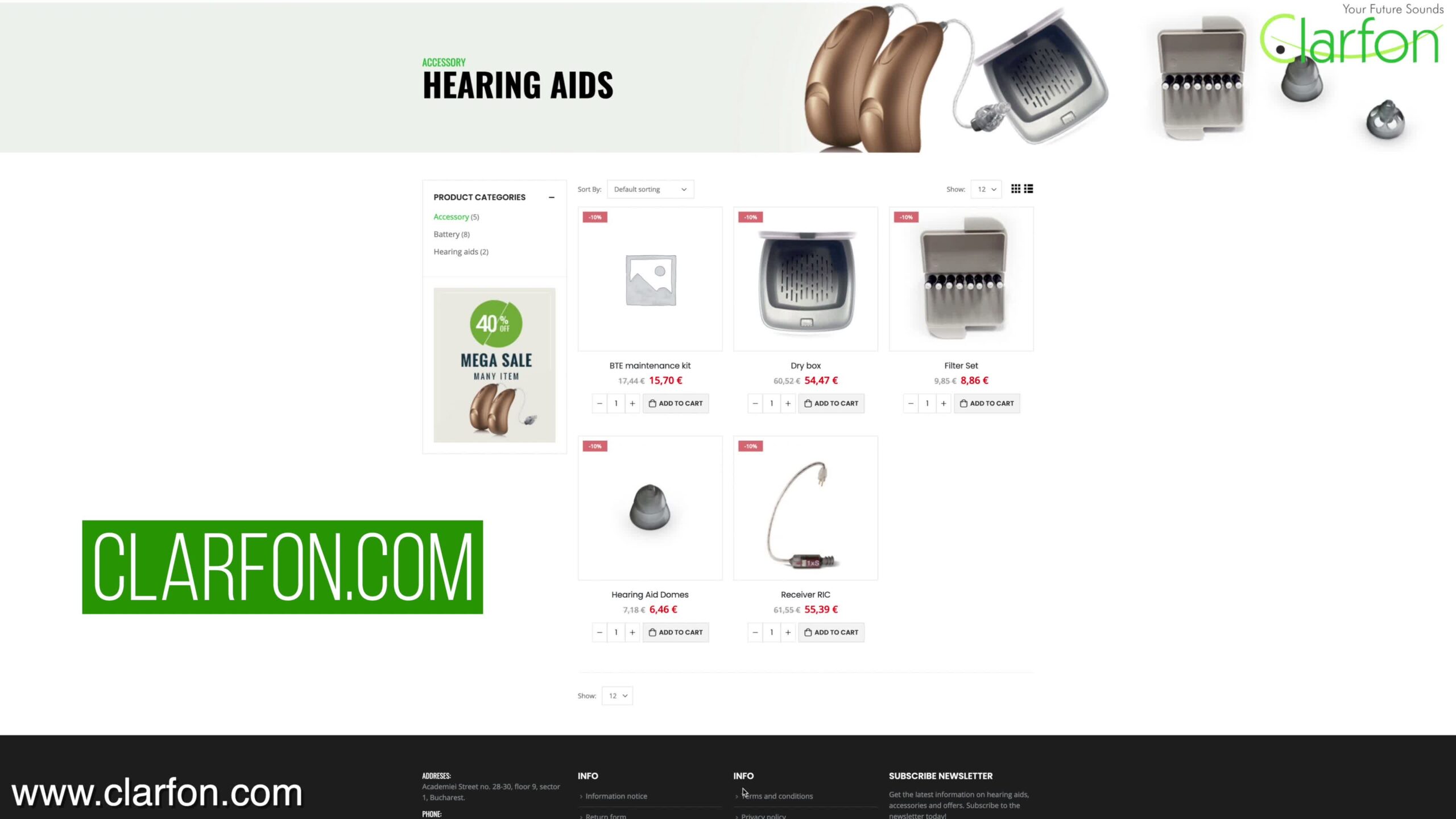
Its colour options, battery support and accessories were shown as part of the wider hearing care journey. The Duracell Activair 312 batteries and storage case may look like minor details, but they help answer practical questions that arise after someone chooses a hearing aid.
Implementation Checklist
- Start with the real personal or clinical context behind the decision.
- Use visuals that show care, reassurance and the life outcome people value.
- Introduce the product after the audience understands why it matters.
- Include practical support details, such as batteries, accessories or storage, where relevant.
- Keep the brand identity consistent across care information and promotional messaging.
- Frame any offer as a supported next step, not the entire message.
Common Mistakes to Avoid
- Opening with a discount before establishing why the decision matters.
- Listing product features without connecting them to a person’s daily life.
- Ignoring practical questions about ongoing use and support.
- Using inconsistent visuals between clinical messaging and promotional content.
- Creating pressure where the audience needs professional reassurance.
Why does this matter for social media?
Social media content has to earn attention quickly, but attention alone is not enough for a health-related decision.
For a B2B video marketing agency in London or a business building authority through social content, this work is a reminder that the strongest message is often not the product claim. It is the human reason the product exists, expressed with clarity and care.
That was the value of the Clarfon campaign: the message was never really about a device. It was about helping every patient move towards hearing better, with professional support at each step.
FAQ: Practical Questions People Ask
What is the fastest way to apply Clarfon Hearing Aid Campaign: Putting Patient Care Before the Promotion in a real business?
Start with one repeatable workflow, define the outcome, and automate only that part first. For example: The work mattered because the message was never really about a device.
Working with Clarfon across national and international social media, as well as TV advertising, showed me how seriously they take every patient’s path to hearing better. The creative journey began with the audiogram: a clear reminder that hearing loss is personal before it becomes a product decision.
How does this approach improve consistency and trust?
It creates a repeatable publishing cadence with clearer messaging and fewer manual delays, which improves audience confidence over time.
Do small teams need expensive tools to implement this?
No. A lightweight stack can work if it covers recording, editing, scheduling, and analytics with a clear process and ownership.
What should be measured first to validate results?
Track output consistency, content completion time, and conversion indicators (qualified leads, booked calls, or sales conversations).
Why is LPV Agency focusing on this strategy?
Because it reduces execution friction while improving visibility and lead quality. The goal is practical growth, not vanity metrics.