
Why Stressed Business Owners Create Better Video Content
TL;DR
- Your busiest, most frustrating workdays often reveal the most useful video topics.
- Turn real client questions, delayed jobs and diary pressure into short, practical content.
- Use three checks: extra effort, repeated questions and what you would change next time.
- LPV Agency helps UK businesses turn two minutes of weekly video into consistent social media.
What Is This? (Short Answer)
This is a practical way to find video ideas without waiting to “feel inspired.” When a workday becomes messy, the decisions you make under pressure are often exactly what potential clients need explained.
For a male business owner, professional or local service business in London, those moments create authority-building content because they come from lived experience rather than a polished marketing script.
A busy day can feel like the worst possible time to create content. Yet a delayed job, difficult client question, packed diary or last-minute change shows what business ownership really looks like.
That pressure creates detail. Detail is what makes a video useful instead of sounding like another generic marketing line.
1. Use the Work That Took Too Much Effort
The first check is simple: what happened today that took more effort than it should have? That question surfaces the behind-the-scenes decisions your clients rarely see, but genuinely value.
A renovation owner might explain why a quote changed after discovering an issue on site. An accountant might show the document that causes the most delays, turning an everyday frustration into a clear client guide.
These are not dramatic stories invented for attention. They are proof that you understand the work, the risks and the decisions involved.
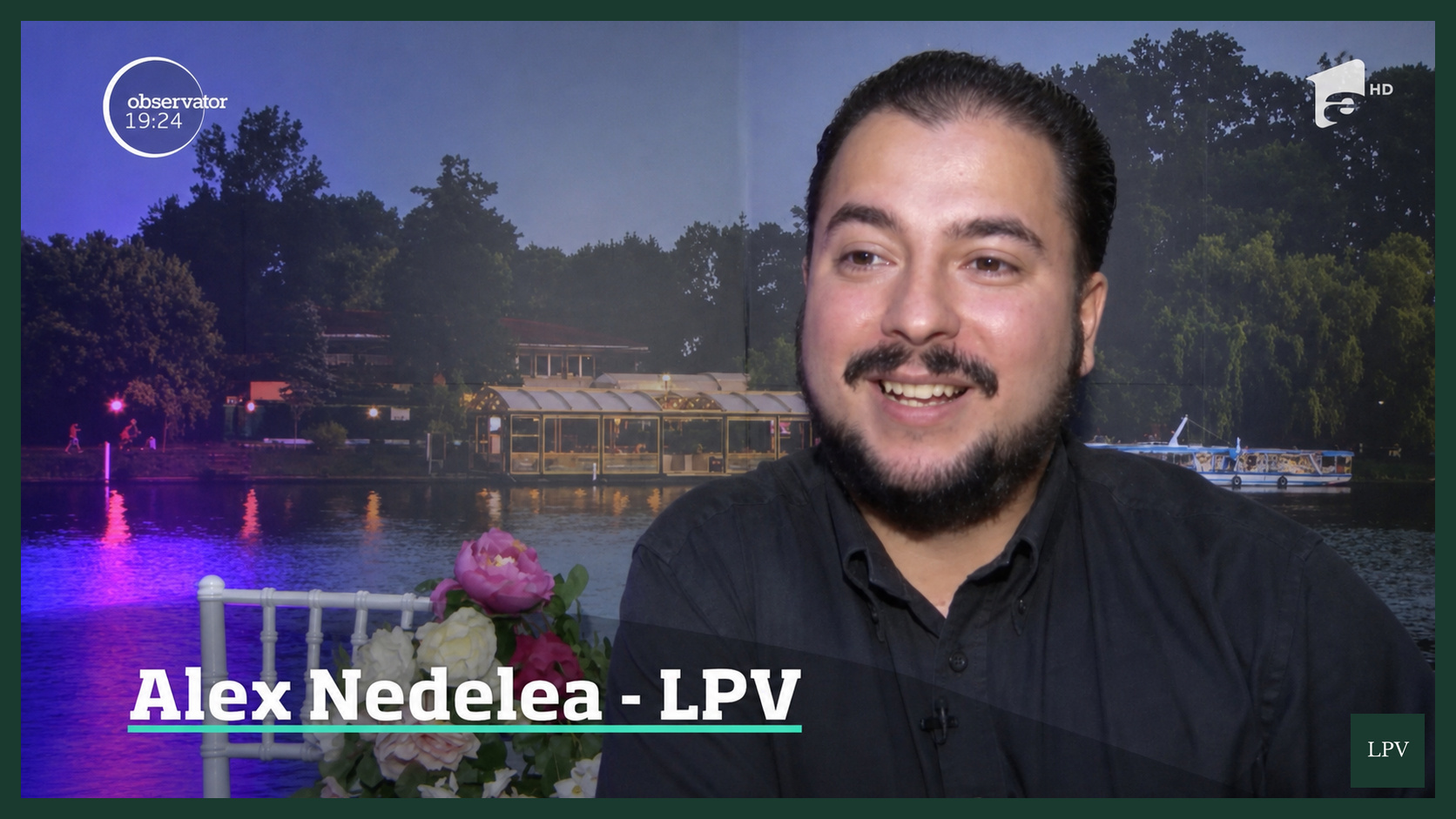
Busy workdays contain practical lessons that can become short, credible videos.
2. Turn Repeated Questions into Authority
The second check is: what question did a client, supplier or team member ask twice? If somebody needs the same answer again, there is a strong chance future clients need it too.
A dentist can address a common treatment worry before it becomes a barrier to booking. A business owner can explain a process change before it produces more calls, emails and uncertainty.
This is especially effective for cold audiences at the problem-recognition stage. They may not yet be looking for automated video marketing services in the UK, but they recognise a clear answer to a problem they are already experiencing.
You are not hunting for inspiration. You are explaining a decision you already had to make.
For businesses using done-for-you social media in London, this approach creates a deeper content bank than trend-chasing. The strongest posts begin with real customer questions and existing buyer pain.

Repeated client questions are ready-made topics for reassuring, useful content.
3. Record What You Would Change Next Time
The third check is: what would you do differently next time? This question transforms pressure into reflection, and reflection into a useful short video.
You do not need to present yourself as flawless. Explaining how you would improve a process demonstrates judgement, honesty and experience—qualities clients look for when choosing a professional.
That is why stressful days can support you in going out there and doing your best work. The stressful part is not the story; it is often the proof that you understand your clients’ needs.
At LPV Agency, we build on this kind of real-world material. Our social media autopilot for UK businesses is designed for owners who hate marketing but understand its importance: record roughly two minutes of video each week, then let the strategy, editing, posting and consistency be handled for you.
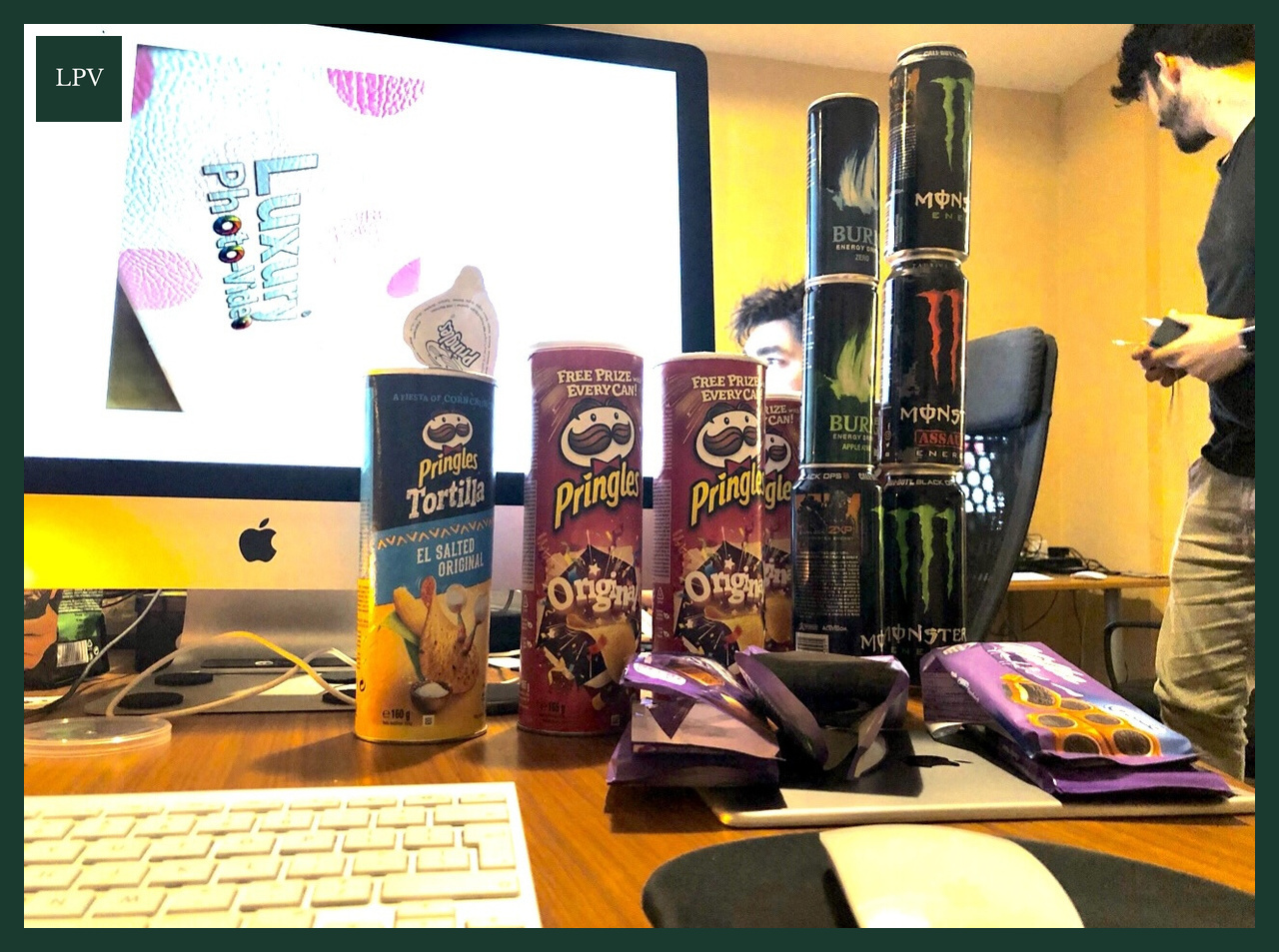
Reflection after a difficult day can create credible, human video content.
How does this work?
Keep a short note on your phone during the day. When a problem, question or change appears, capture the details while they are fresh.
- Name the situation in one sentence.
- Explain the decision you made and why.
- Share the lesson a client can use.
- Record a short video in your own voice.
LPV can turn that raw expertise into a consistent content system, with options that support digital twin script testing and HighLevel CRM integration where appropriate.
Who is this for?
This approach suits busy service-led businesses in London, Harold Wood, Romford and across the United Kingdom. It is particularly useful for owners whose expertise is valuable but whose schedules leave little room for traditional marketing.
Whether you run a practice, trades business, consultancy or B2B firm, real operational decisions can become content that builds trust before a prospect enquires.
What does it cost?
The content-idea method itself costs nothing beyond a few minutes of reflection. The investment comes when you choose support for strategy, editing, posting and a reliable publishing rhythm.
LPV Agency can help businesses assess the right level of done-for-you support for their video marketing goals.
What are the risks?
Do not share confidential client information, private documents or details that could identify someone without permission. Focus on the general lesson, anonymise the situation and check facts before recording.
The other risk is over-polishing. If every video is written like an advert, you can lose the useful detail that made the idea compelling.
Key Takeaways
- Stressful days reveal the real questions clients care about.
- Extra effort, repeated questions and hindsight are three dependable topic sources.
- Specific examples build more authority than vague promotional claims.
- Short videos work when they explain decisions already made in real work.
- Consistency matters more than finding a new “perfect” idea every week.
Implementation Checklist
- At the end of each day, write down one difficult moment.
- Flag questions asked more than once.
- Choose one lesson you would apply next time.
- Record a two-minute explanation in plain language.
- Remove confidential details before publishing.
- Use LPV Agency to turn the recording into consistent social content.
Common Mistakes
- Waiting for inspiration instead of reviewing the day’s real work.
- Talking only about the problem without explaining the decision.
- Making the video too broad to be useful.
- Including confidential client details.
- Letting a good idea go unpublished because editing feels overwhelming.
Make Your Busy Day Do More for Your Marketing
Your business does not need more manufactured content ideas. It needs a simple way to notice the expertise already showing up in your busiest days.
If you want a B2B video marketing agency in London to turn those two-minute recordings into a practical social media autopilot, LPV Agency can help you build consistency without making marketing your full-time job.
FAQ: Practical Questions People Ask
What is the fastest way to apply Why Stressed Business Owners Create Better Video Content in a real business?
Start with one repeatable workflow, define the outcome, and automate only that part first. For example: The moment your day becomes messy, you are usually sitting on your best content idea.
A delayed job, a difficult client question, a packed diary or a last-minute change shows what business ownership really looks like. That pressure creates detail.
Detail is what makes a video feel useful instead of sounding like another polished marketing line. Use three checks before you record: 1.
How does this approach improve consistency and trust?
It creates a repeatable publishing cadence with clearer messaging and fewer manual delays, which improves audience confidence over time.
Do small teams need expensive tools to implement this?
No. A lightweight stack can work if it covers recording, editing, scheduling, and analytics with a clear process and ownership.
What should be measured first to validate results?
Track output consistency, content completion time, and conversion indicators (qualified leads, booked calls, or sales conversations).
Why is LPV Agency focusing on this strategy?
Because it reduces execution friction while improving visibility and lead quality. The goal is practical growth, not vanity metrics.