
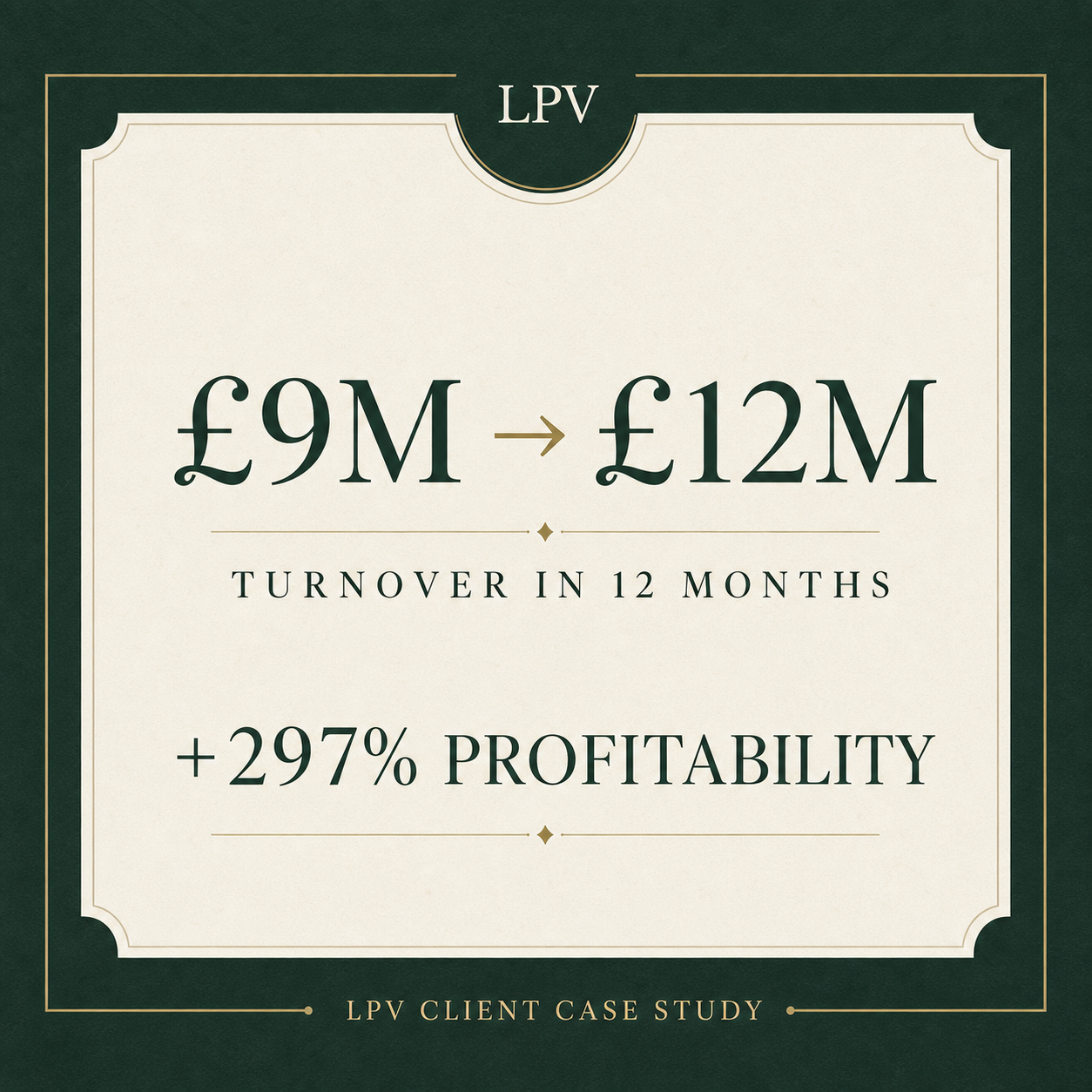
How a £9M Supplements Brand Increased Profitability by 297% in 12 Months
TL;DR
- Revenue rose from £9M to £12M, but the defining result was a 297% profitability increase.
- LPV focused investment on margin-driving products rather than treating all 120 SKUs equally.
- A shorter, phone-first checkout removed avoidable friction.
- Outcome-led bundles made the offer clearer for customers and stronger commercially.
What Is This? (Short Answer)
This is a commercial-growth case study from LPV Agency: a natural supplements company moved from strong turnover to substantially stronger profit by making four sharper decisions.
It is also the kind of proof-led thinking behind our done for you social media London service: content should communicate commercial judgement, not fill a posting calendar.
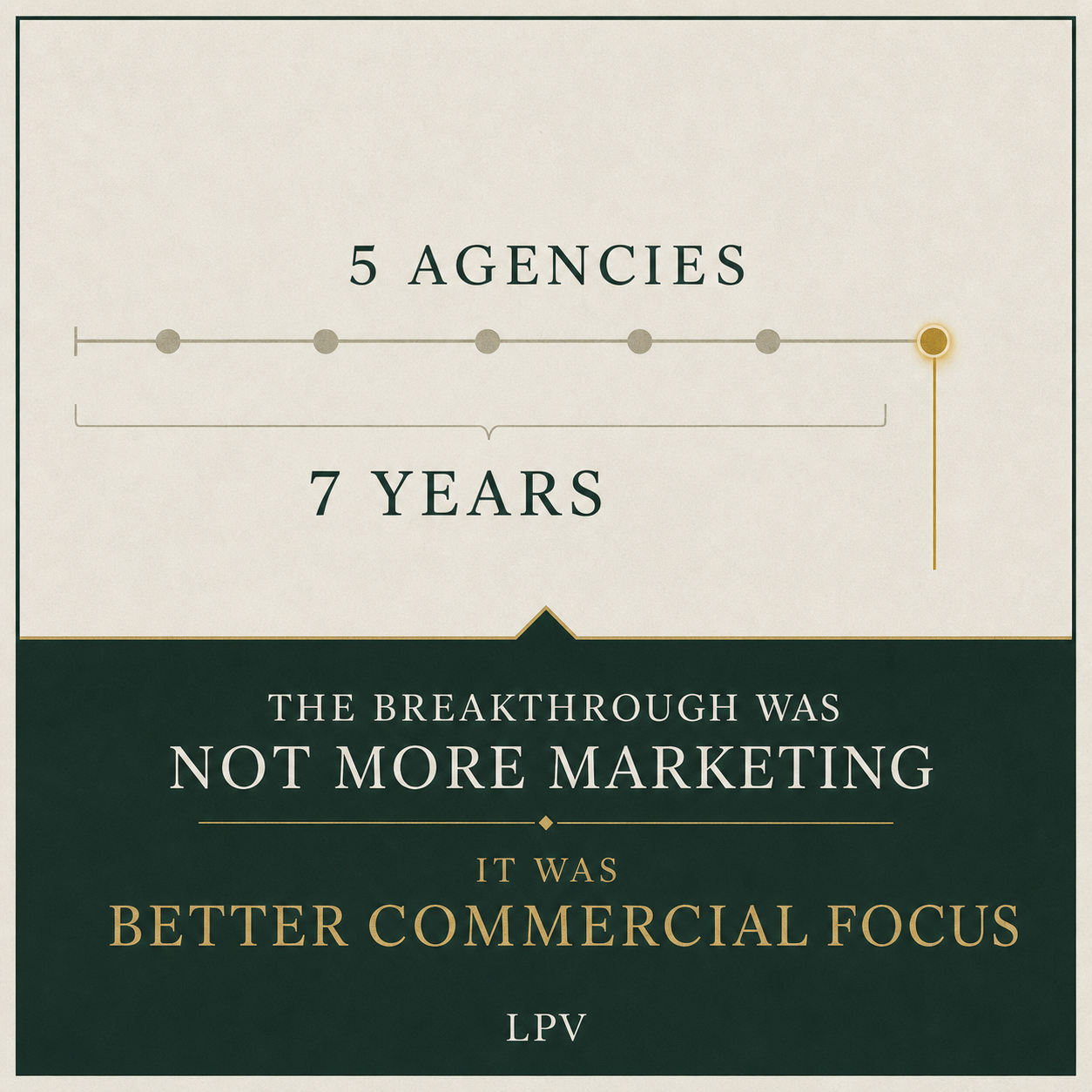
A natural supplements business came to LPV at roughly £9 million annual turnover, spread across 120 products, after working with five marketing agencies in seven years.
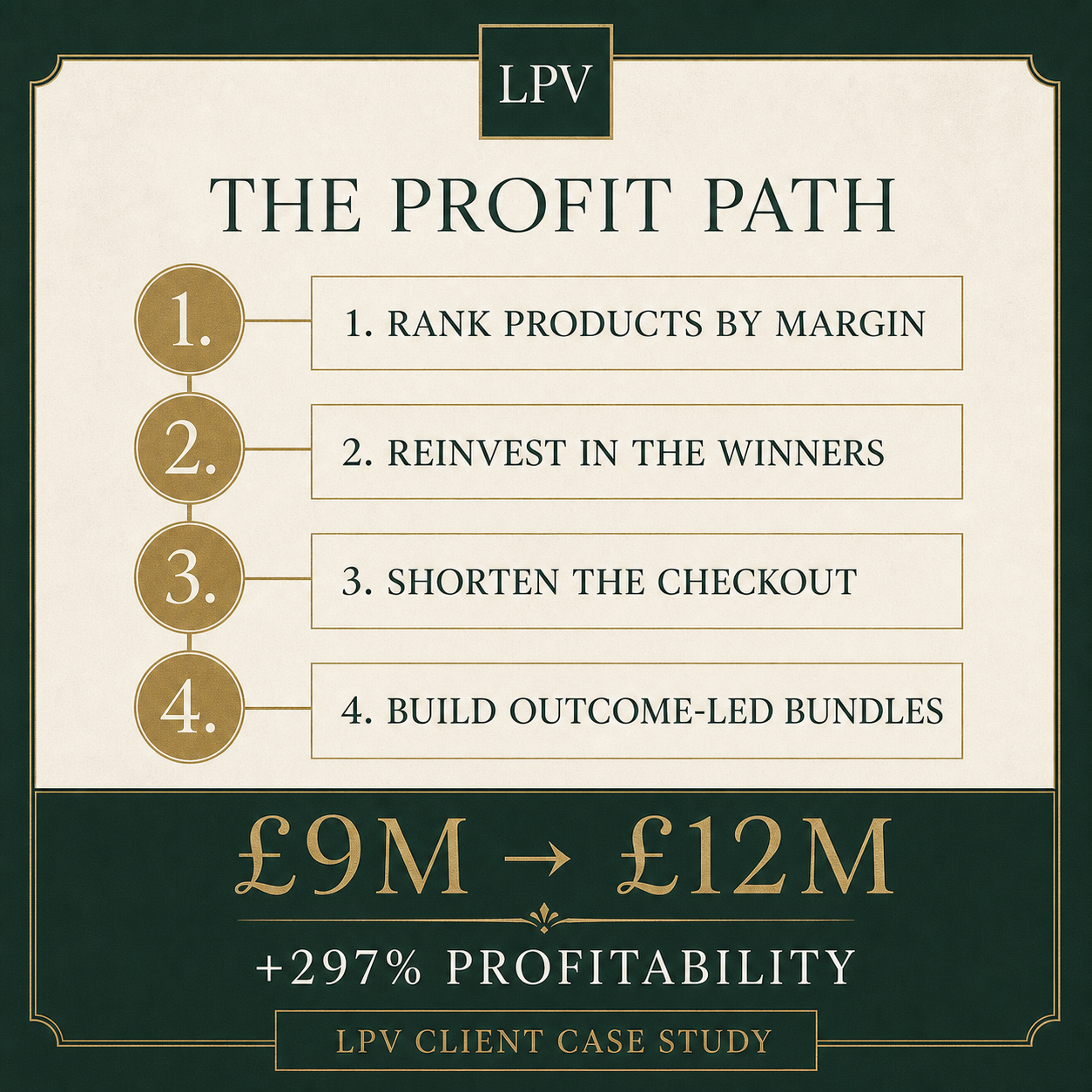
Twelve months later, turnover reached £12 million and profitability had increased by 297%.
1. Start With the Commercial Result, Not the Content Output
The headline is deliberately simple: £9M became £12M in 12 months. Yet revenue alone does not explain whether a business is becoming healthier.
The more meaningful measure was the 297% uplift in profitability. That is why LPV treats marketing as a commercial system, rather than a stream of campaigns.
2. The Four Moves That Changed the Direction
The breakthrough was not more content, a louder campaign, or a sixth agency. It was four connected commercial moves that made the business easier to grow.
- Find the profit.
- Back the winners.
- Remove friction.
- Bundle the story.

3. Why 120 Products Did Not Deserve Equal Attention
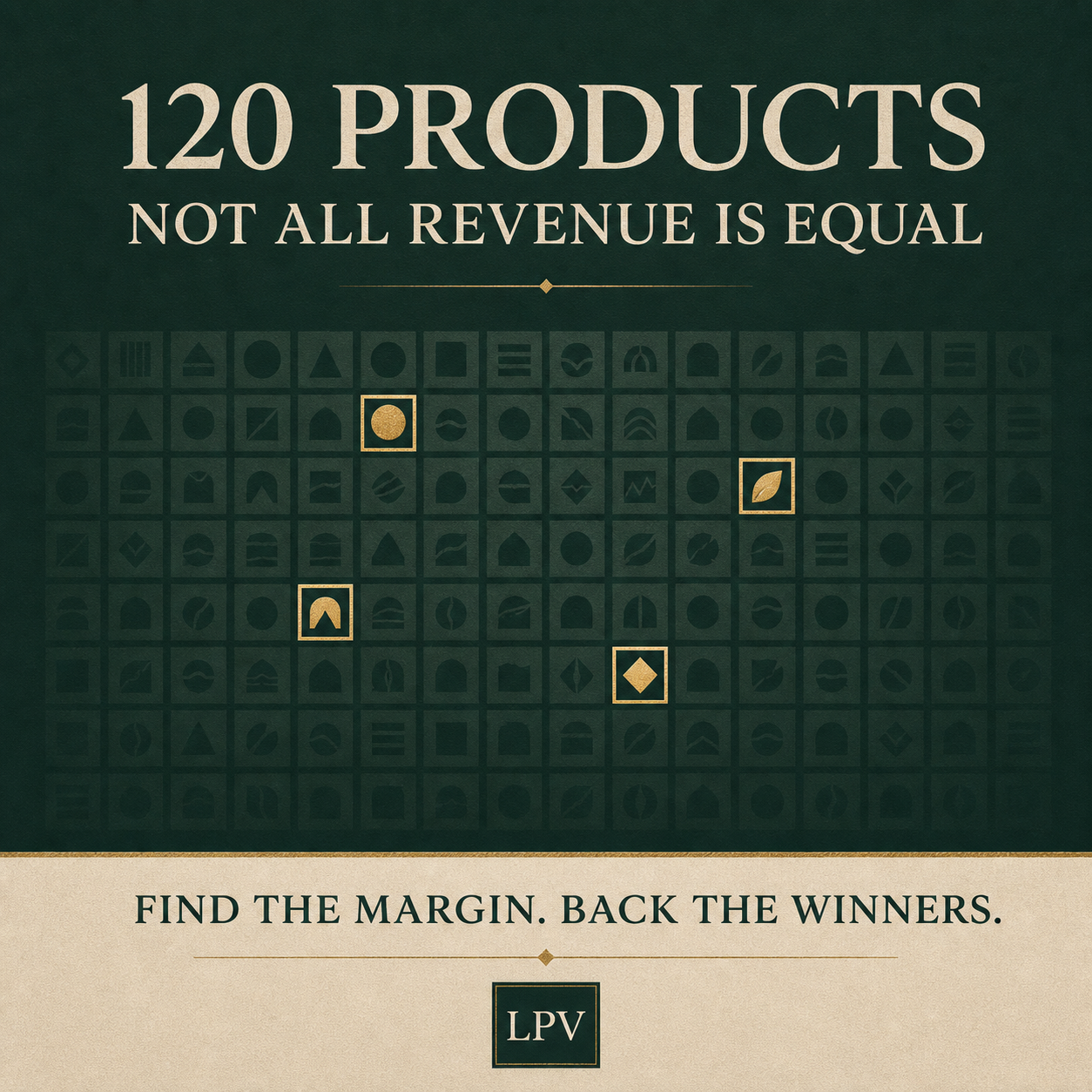
With 120 products in the catalogue, sales volume could easily disguise where the real margin sat. Not all revenue is equal.
LPV ranked products by profit contribution, not sales alone, then identified the products worth protecting and promoting. The practical instruction was clear: find the margin, then back the winners.
4. How Does This Work? Reinvest Behind What Already Performs
Once the profitable products were visible, reinvestment became more disciplined. Budget, messaging and attention moved toward the strongest performers instead of being diluted across the whole range.
This is the difference between “marketing everything” and building a growth engine around products that can carry profitable scale.
5. Remove Friction Before Buying More Attention
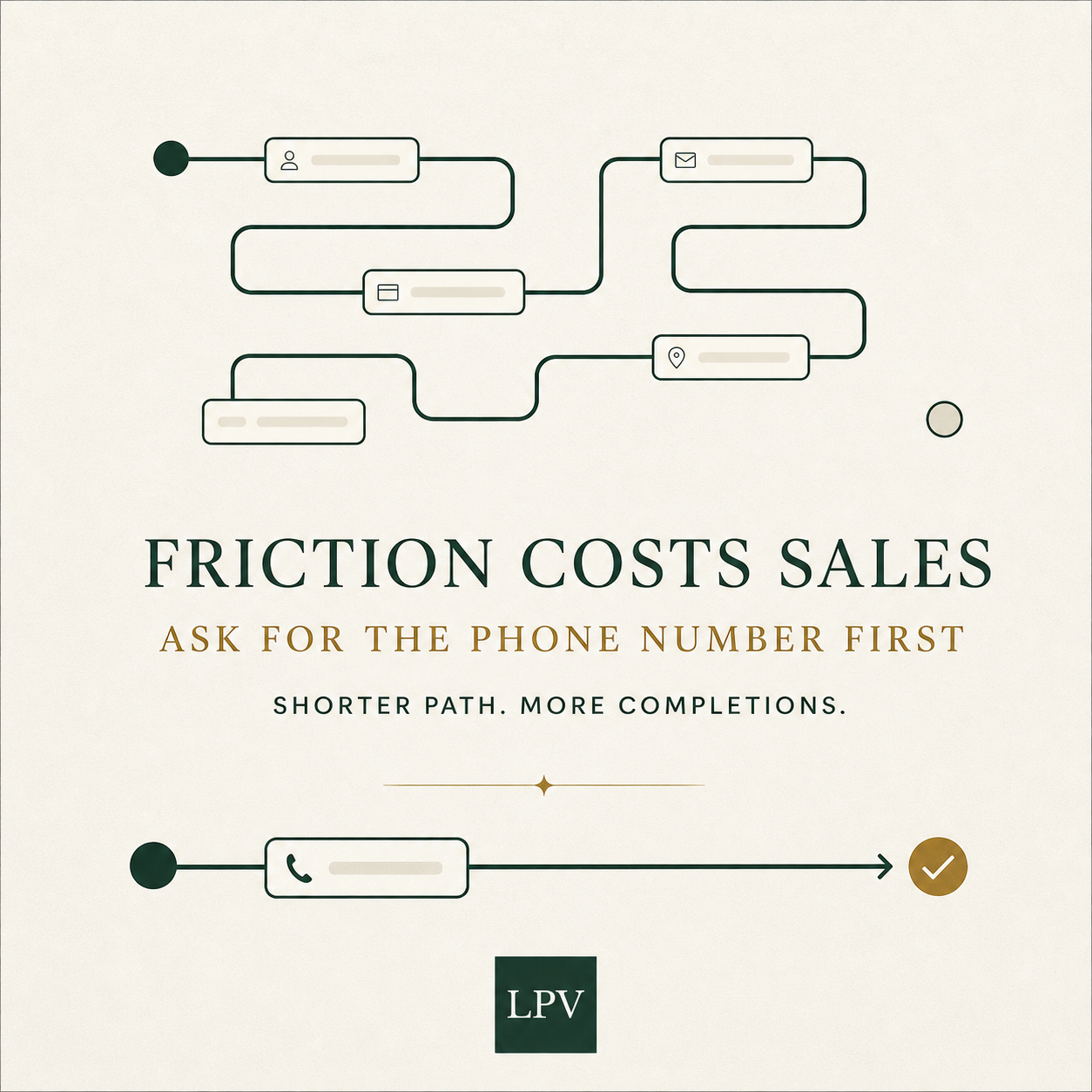
Growth can be lost after a customer has already decided to buy. LPV shortened the checkout and asked for the phone number first, reducing the effort required to continue.
That small journey change matters because conversion is not only a traffic problem. It is also a clarity and friction problem.
6. Make the Offer Easier to Understand
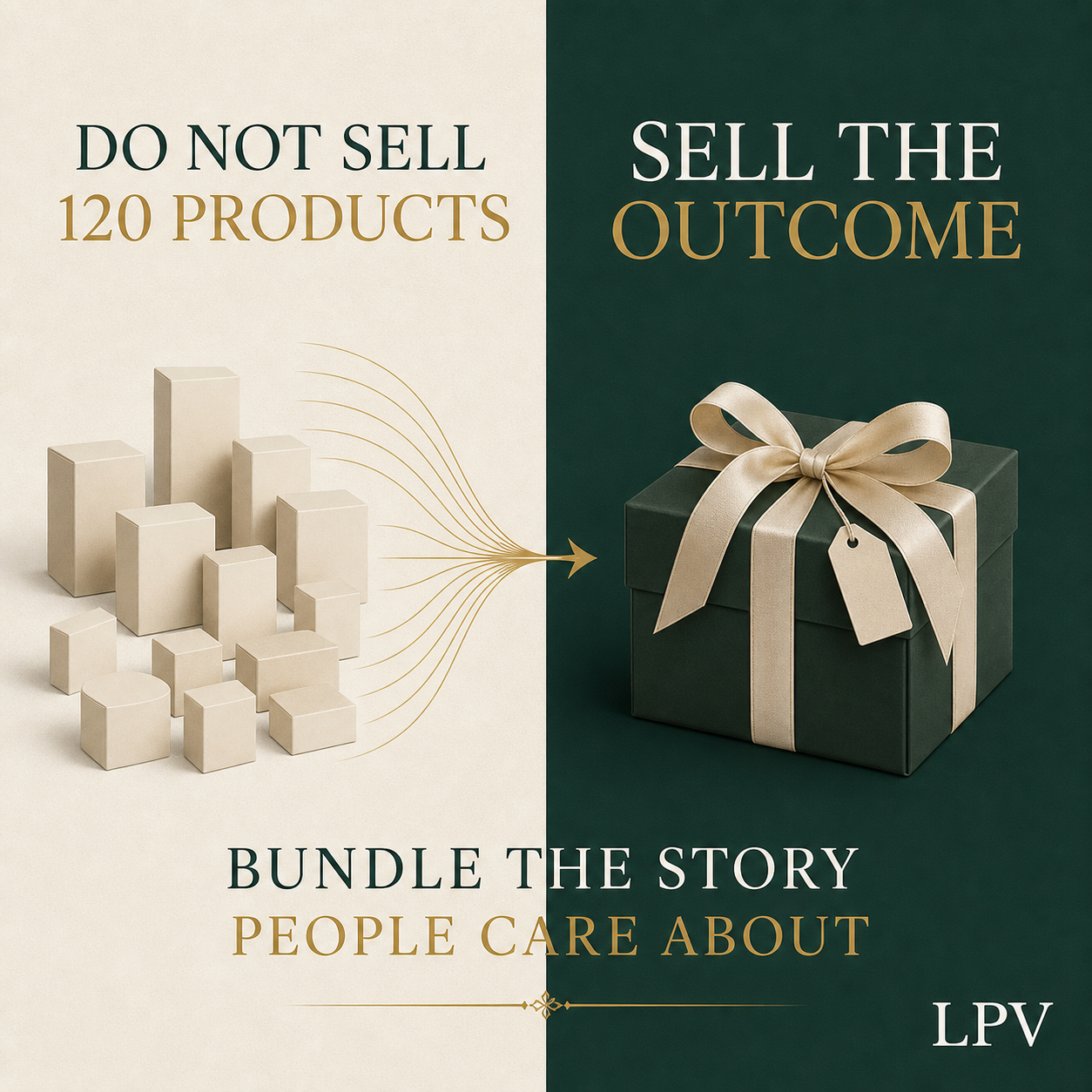
Individual products were not always how customers thought about their needs. LPV built outcome-led bundles around the reasons customers cared in the first place.
Bundles turned a large product catalogue into a more understandable decision: a clearer outcome, a more coherent offer and a better commercial story.
7. Who Is This For? Businesses That Need Proof, Not Posting Pressure
This approach is for UK business owners who understand marketing matters but do not want to become full-time marketers. It is especially relevant to businesses with complex offers, too many products, or inconsistent messaging.
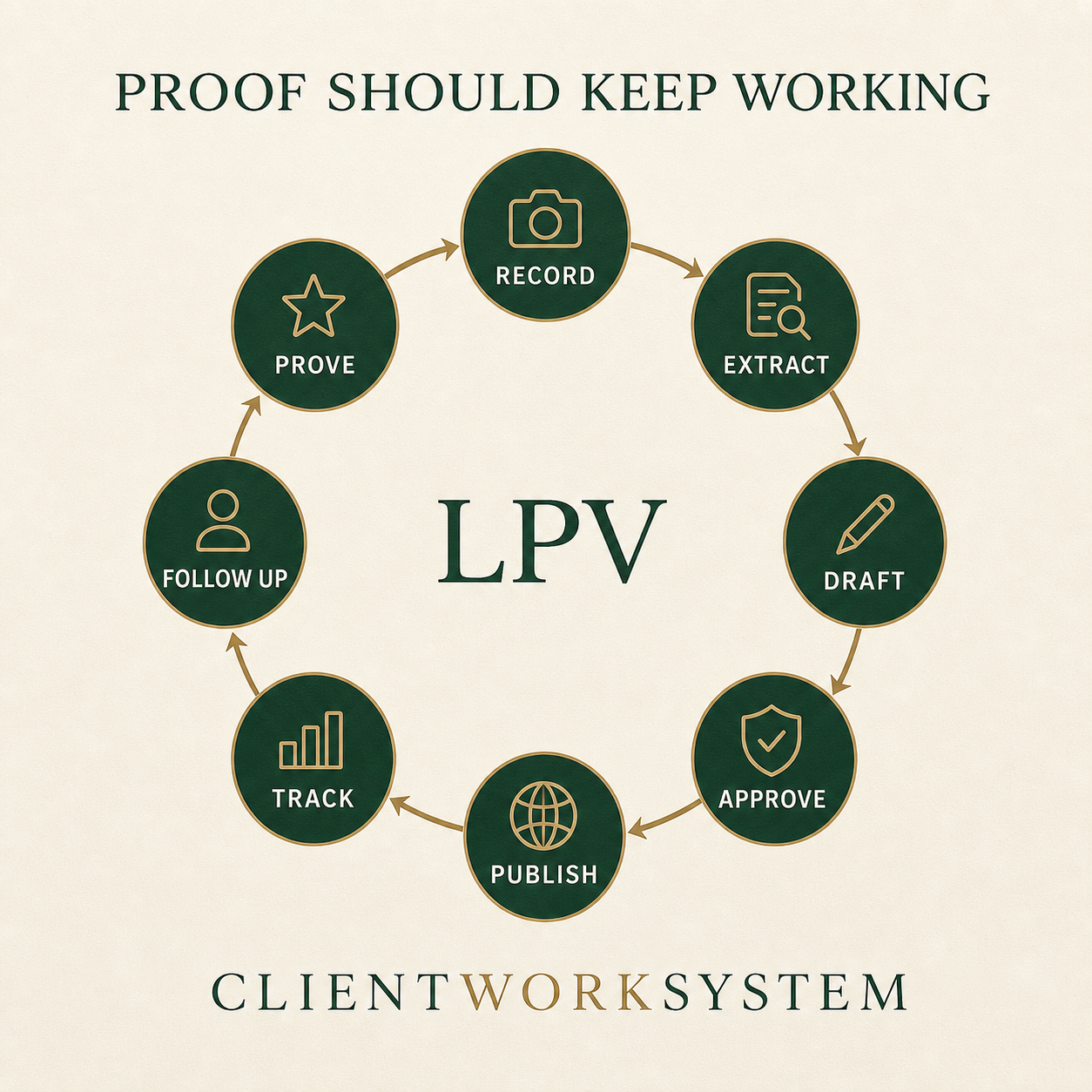
LPV’s social media autopilot for UK businesses begins with the real business decision. A two-minute weekly video can become approved, useful content that builds authority without creating more work for the founder.
8. What Does It Cost? The Cost of Commercially Empty Marketing
The case study does not publish a client fee, so the useful question is not a generic price point. It is what seven years of agency activity costs when nobody identifies the profit drivers.
For businesses considering automated video marketing services UK, the standard should be evidence: can the work show which messages, offers and proof points create conversations?
9. What Are the Risks? Optimising the Wrong Signal
The risk is celebrating turnover while ignoring margin, customer friction and offer comprehension. More sales can create more operational pressure without proportionate profit.
ClientWorkSystem is designed to reduce that risk: capture the real decision, turn it into approved content, follow up with interested people, and show which proof creates conversations.

Key Takeaways
- Measure product performance by profit contribution, not sales alone.
- Put more resources behind proven winners.
- Audit checkout steps before increasing acquisition spend.
- Package products around customer outcomes, not internal catalogue logic.
- Use content to document commercial proof and authority building for professionals.
Implementation Checklist
- Rank every product by contribution margin and repeat-purchase potential.
- Select the few products that deserve priority investment.
- Map checkout drop-off and test a phone-first, shorter journey.
- Create bundles named around customer outcomes.
- Record the decision-making process in short video for proof-led social content.
Common Mistakes
- Using turnover as the primary success metric.
- Giving every product equal marketing support.
- Adding campaigns before fixing checkout friction.
- Describing products without explaining the customer outcome.
- Publishing content without a follow-up path, such as HighLevel CRM integration.
Commercial Proof Is Better Than Blank-Page Content
For LPV Agency, a B2B video marketing agency London businesses can use without becoming content creators, the lesson is straightforward: revenue is vanity; profit is the signal.
If your business needs clearer proof, more consistent authority and a practical social system—from London and Harold Wood to Romford and across the United Kingdom—start with the commercial decision worth sharing.
FAQ: Practical Questions People Ask
What is the fastest way to apply How a £9M Supplements Brand Increased Profitability by 297% in 12 Months in a real business?
Start with one repeatable workflow, define the outcome, and automate only that part first. For example: A natural supplements company came to us at roughly £9 million in annual turnover across 120 products.
They had worked with five marketing agencies over seven years. Twelve months later, turnover reached £12 million.
Profitability increased by 297%. The breakthrough was not more content or another campaign.
We made four commercial moves: 1. Ranked the products by profit contribution, not sales alone.
2.
How does this approach improve consistency and trust?
It creates a repeatable publishing cadence with clearer messaging and fewer manual delays, which improves audience confidence over time.
Do small teams need expensive tools to implement this?
No. A lightweight stack can work if it covers recording, editing, scheduling, and analytics with a clear process and ownership.
What should be measured first to validate results?
Track output consistency, content completion time, and conversion indicators (qualified leads, booked calls, or sales conversations).
Why is LPV Agency focusing on this strategy?
Because it reduces execution friction while improving visibility and lead quality. The goal is practical growth, not vanity metrics.