
Transform Your Social Media Strategy: Embrace 2026’s New Norms
TL;DR
- 74% of consumers lose trust in inactive social media profiles.
- Social media is now a primary search engine for local services.
- Consolidating tools can eliminate operational friction.
- Real-time engagement is crucial for customer retention.
- AI can enhance productivity for lean marketing teams.
What Is This? (Short Answer)
Social media has evolved from a mere brand awareness tool to a vital platform for customer engagement and discovery. As business owners, adapting to these changes is essential to remain competitive.
In today’s fast-paced digital landscape, businesses can no longer afford to treat social media as a chore. Recent data shows that 74% of UK consumers lose confidence in a local business if its social media presence appears dormant.
As a business owner, neglecting your online presence is akin to shutting your shop front and missing out on potential clients. The landscape has changed dramatically since 2015, and it’s time to adapt.
The “Ghost Town” Trust-Killer
In a world where first impressions are often formed online, the consequences of an inactive social media profile can be dire. According to Buzz Media UK, a staggering 74% of consumers lose confidence in local businesses with outdated or inactive social media profiles. This statistic underscores the importance of maintaining a vibrant online presence.
Your social media feed is not just a place to post updates; it’s a critical touchpoint for managing your reputation. When your feed is inactive, you are essentially closing your doors to potential clients.
This shift in consumer behavior highlights the need for businesses to prioritize their social media strategy, moving beyond traditional marketing approaches to embrace a more integrated and responsive online presence.
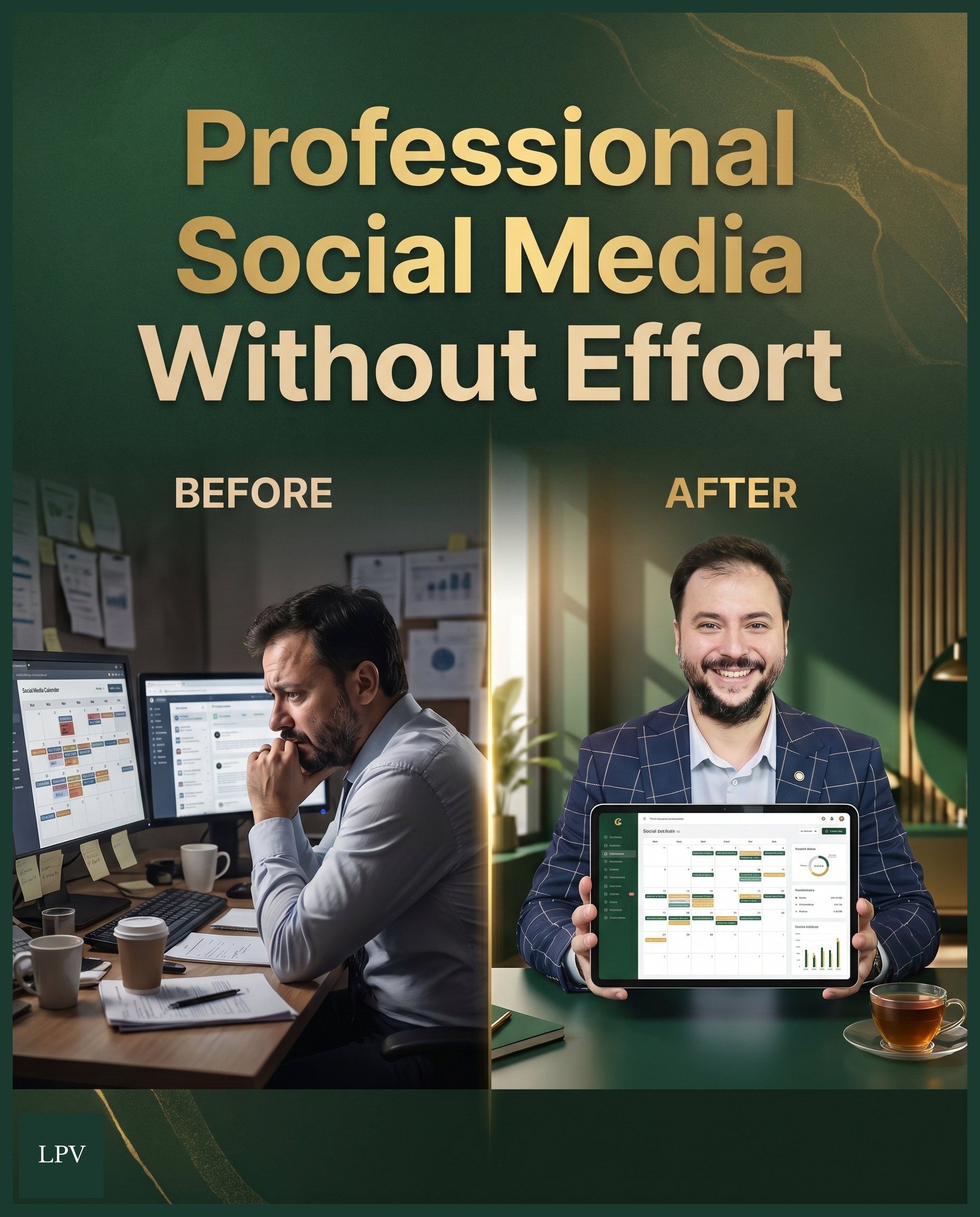
The Shift to “Social as Search”
As consumers increasingly use platforms like Instagram and TikTok not just for entertainment but as search engines, your social media content becomes a primary channel for discovery and lead generation. This change necessitates a strategic approach to content creation and scheduling.
Unlike in the past, where social media was primarily about brand awareness, it now serves as a critical tool for connecting with your target audience. Integrating your social media planning directly into your CRM, such as GHL, allows you to seamlessly capture leads and enhance your marketing strategy.
This integration facilitates a more holistic approach to customer engagement, ensuring that every interaction counts.
Tool Consolidation as an Operational Necessity
Many agencies are beginning to recognize the drawbacks of a fragmented tech stack, where different tools for CRM, scheduling, and email marketing lead to inefficiencies. As highlighted by Miro, moving away from such disjointed systems is essential for reducing operational friction and unnecessary expenses.
By adopting an integrated solution like the GHL Social Planner, businesses can eliminate data silos and streamline their operations. Not only does this save money on software subscriptions, but it also enhances productivity by allowing teams to focus on creating valuable content rather than managing multiple platforms.
The economic benefits of tool consolidation are clear, making it a necessary step for businesses aiming to thrive in 2026 and beyond.
How Does This Work?
Integrating social media planning with your CRM allows for real-time logging of interactions, ensuring that no lead opportunity is missed. This feature is crucial in a landscape where customer engagement is paramount. Brands are now expected to respond to direct messages and comments promptly, as these interactions significantly influence customer retention.
Who Is This For?
This strategy is ideal for local businesses, particularly in London, that want to enhance their online presence and engage effectively with customers. If you’re a business owner who recognizes the importance of social media but feels overwhelmed by the effort required, this integrated approach is tailored for you.
What Does It Cost?
Investing in an integrated social media solution can lead to cost savings by reducing the need for multiple software subscriptions while improving operational efficiency. Consider the potential return on investment when your online presence translates into more leads and customer engagements.
What Are the Risks?
Failing to adapt to current social media trends can lead to a loss of customer trust and potential revenue. Ignoring the importance of a robust online presence could result in your business being overlooked by potential clients.
Key Takeaways
- Active social media profiles are critical for maintaining consumer trust.
- Social media is now a search tool for local services.
- Tool consolidation improves efficiency and reduces costs.
- Real-time engagement is essential for customer retention.
- AI tools can enhance productivity for small teams.
Implementation Checklist
- Audit your current social media profiles for activity and engagement.
- Integrate social media planning with your CRM.
- Develop a content calendar that reflects your business goals.
- Engage with your audience in real-time to build relationships.
- Utilize AI tools to streamline scheduling and content creation.
Common Mistakes
- Neglecting to update social media profiles regularly.
- Using separate tools for social media and CRM.
- Failing to engage with customers promptly.
- Ignoring the importance of content strategy.
- Overlooking data analytics to inform strategy.
Closing Thoughts
As we move further into 2026, adapting your social media strategy is no longer optional; it’s essential for survival. By treating social media as a vital component of your business strategy, you can enhance your online presence, build trust with potential clients, and streamline your operations.
Don’t let your business fade into the background—embrace the new norms and thrive.
FAQ: Practical Questions People Ask
What is the fastest way to apply Transform Your Social Media Strategy: Embrace 2026’s New Norms in a real business?
Start with one repeatable workflow, define the outcome, and automate only that part first. For example: Most business owners view social media as a chore that takes hours, but the real cost is the lost opportunity.
Recent data shows that 74% of UK consumers lose confidence in a local business if their social profile looks like a ghost town. When your feed is inactive, you are essentially closing your shop front to potential clients.
We have moved beyond the days where social media was just for brand awareness.
How does this approach improve consistency and trust?
It creates a repeatable publishing cadence with clearer messaging and fewer manual delays, which improves audience confidence over time.
Do small teams need expensive tools to implement this?
No. A lightweight stack can work if it covers recording, editing, scheduling, and analytics with a clear process and ownership.
What should be measured first to validate results?
Track output consistency, content completion time, and conversion indicators (qualified leads, booked calls, or sales conversations).
Why is LPV focusing on this strategy?
Because it reduces execution friction while improving visibility and lead quality. The goal is practical growth, not vanity metrics.